




-

Feed the Mind: Eat Well (Updated for Sustained Energy)
Avoid last-minute takeaways or sugary snacks that cause energy crashes. Opt for balanced meals with complex carbs (brown rice, whole grains, oats), lean proteins (fish, eggs, chicken, tofu), and brain-boosting foods like nuts, seeds, blueberries, and dark leafy greens. Stay hydrated — dehydration worsens focus and mood.
-

Get Moving: Do Some Exercise
Taking a break from the books is important, as it's easy to become irritable if you're on the revision all day. Exercise releases endorphins, improves memory, and reduces irritability. Even a 20-30 minute walk, jog in a park, or quick home workout helps. Fresh air and natural light (plus Vitamin D) are ideal.
Try free YouTube kids/teen workouts or join low-pressure activities like hiking trails in Hong Kong (e.g., short family walks in country parks). Apps with short HIIT or yoga sessions fit busy revision timetables. Here are our favorites.
-

Time for Bed: Prioritise Sleep
When exams are looming, some kids (not all!) may want to stay up late on the revision, or set the alarm earlier than usual so they can hit the books before breakfast. However, lack of sleep can lead to irritability, mood swings, and increased susceptibility to stress, making it harder to manage the pressures of exams and allowing anxiety creep in.
See if you can work out a sleep routine with your kid/teen that factors in some time before bed to unwind with a relaxing book and a cup of warm milk or a hot chocolate.
-

Be in the Moment: Practise Mindfulness & Breathing
It's important to prioritize self-care during exam season, and practising mindfulness is one sure-fire technique to help tackle exam stress. If you're not familiar with mindfulness, it's about focusing your awareness in the present moment.
One simple way to do this is the body scan, where you close your eyes and turn attention inwards to focus on different parts of the body, from the top of your head to the tips of your toes. Other ways to practise mindfulness include the Rise and Shine Morning Intention, such as incorporating rituals like a morning meditation, gratitude journal or mindful walk before breakfast to start the day in a positive way.
-

Books, Podcasts, Resources
Many people suffer from stress in the lead-up to exams, and in recognition of that, there's some great resources out there. Good books worth seeking out include The Only Study Guide You'll Ever Need by Jade Bowler; How to Handle Your Exam Nerves by Katherine Bebo and Say 'No' to Exam Stress by Anthony James.
Prefer a podcast? Try Owning It: The Anxiety Podcast's episode on How To Manage Exam Anxiety or Apple's Teenage Kicks Podcast, which has an episode on How To Revise And Cope With Exam Stress.
Good blogs include Top Universities' How NOT To Cope With Exam Stress and Charles Darwin University's How To Reduce Stress In The Hours Leading Up To The Exam.
-

Plan Ahead: Create a Realistic Revision Schedule
Revision can feel overwhelming but getting a schedule together can help reduce exam stress, as it enables kids to plan their time effectively and track the material covered. Rather than confronting a whole textbook, a revision timetable breaks things up to cover each day, or week. We like this GCSE timetable and this blog on preparing for IB success.
Remind your child to take small, frequent breaks to digest information. If they're the studious type, remind them that no-one can revise for six hours a day for several months. Struggling to get their head down? Set mini goals, like reviewing one module over a certain period, and build up gradually if there's time.
-
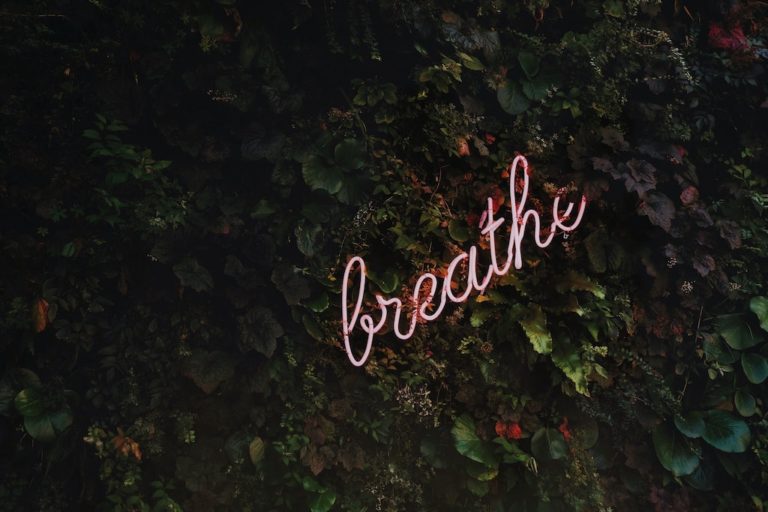
Now Relax: Master Breathing & Quick Calm Techniques
Tuning into our breath is one of the easiest ways to reduce stress, and the benefits of controlled breathing include lowered blood pressure and heart rate and reduced levels of stress hormones in the blood.
Techniques to try include box breathing – so called as you're breathing in a box-like shape sequence. First, breathe in, counting to four slowly.Then hold your breath for four seconds. Try to avoid inhaling or exhaling for four seconds. Next, slowly exhale through your mouth for four seconds. Repeat steps one to three until you feel re-centered.
-

Pace Yourself: Avoid Burnout
If your kid/teen tries to do too much too soon, they'll quickly burn out. And if they leave it til the last minute, they'll feel they have no choice but to cram! Break down revision into small, manageable goals - say 2 hours in the morning and 2 in the afternoon - and take regular breaks for food, exercise, and meeting up with friends and having fun once the revision's done!
-

Use Your Imagination: Visualisation & Positive Mindset
You could try suggesting to your child that they visualize themself doing well in the exams – down to observing an 'A' on the test sheet and seeing a Diploma on the bedroom wall. This can not only help them earn better scores but also reduce stress. The mental images you form tell your brain that these scenarios are real, so it's can be very powerful, even if you do it for a few minutes a day. Check out the video here for tips on how to do it!
-

LIFE AFTER EXAMS: PLAN A TREAT FOR WHEN IT'S ALL OVER…
When your child is in the midst of revision, it can be hard for them to imagine a life post-exams. That's why it's important to get a date in the diary for something to look forward to, whether that's a shopping trip or doing sports with friends, or a meal with the family at their favorite restaurant followed by a trip to the cinema.



 Recommends