

-
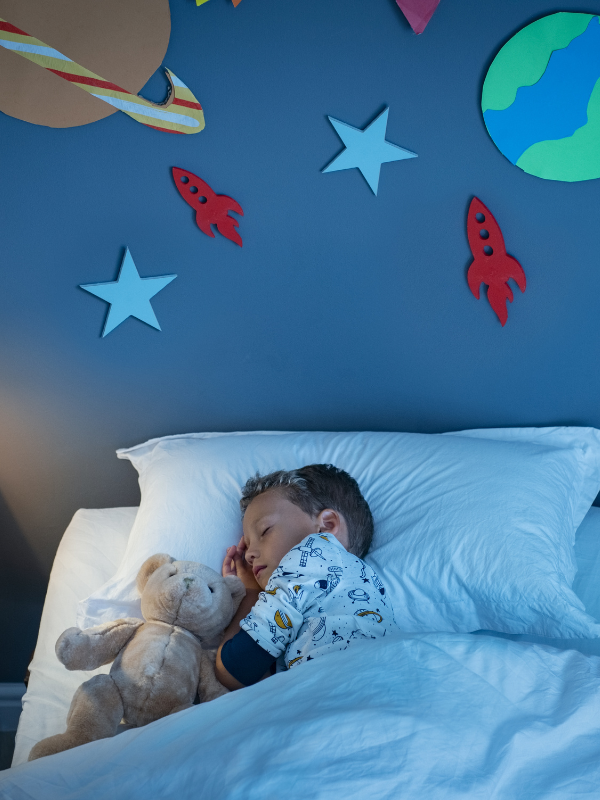
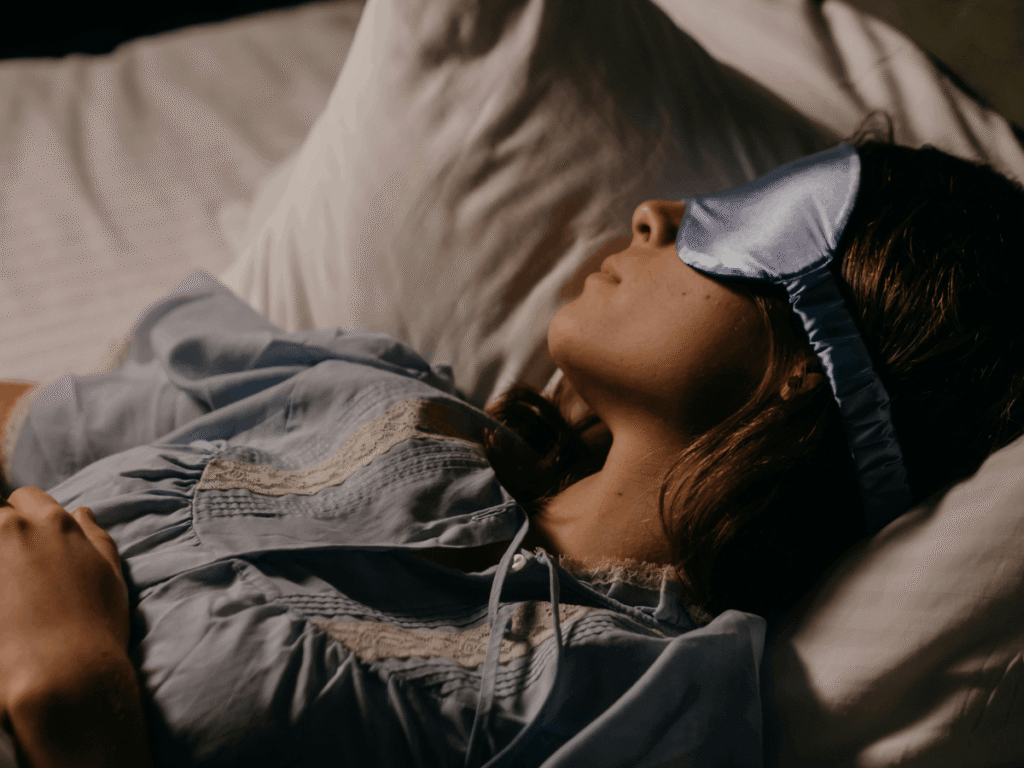
Stick To A Consistent Sleep Schedule
The Single Most Effective Thing The Entire Family Can Do TonightOne of the most important things any family can do is go to sleep and wake up at the same time every day, including weekends. This isn't just about discipline; it's about how the body's internal clock actually works. The body runs on a circadian rhythm, a 24-hour internal clock that regulates when you feel sleepy and alert. When sleep and wake times shift around, this clock gets confused. The result is a brain that struggles to fall asleep at night and feels groggy in the morning. For young children, a consistent bedtime signals the brain that it's time to wind down. Children who go to bed at the same time each night tend to fall asleep faster and fight bedtime less. According to the Child Mind Institute, predictability is genuinely soothing for children; a built-in warning before lights-out gives them time to get sleepy on their own. For teenagers, consistency during school weeks matters even more. For adults, an irregular sleep schedule is one of the most common causes of poor sleep quality. Pick realistic bedtimes and wake-up times for each family member. Try to stay within 30 minutes of that target, even on weekends. The body will start to respond within a week or two.
-
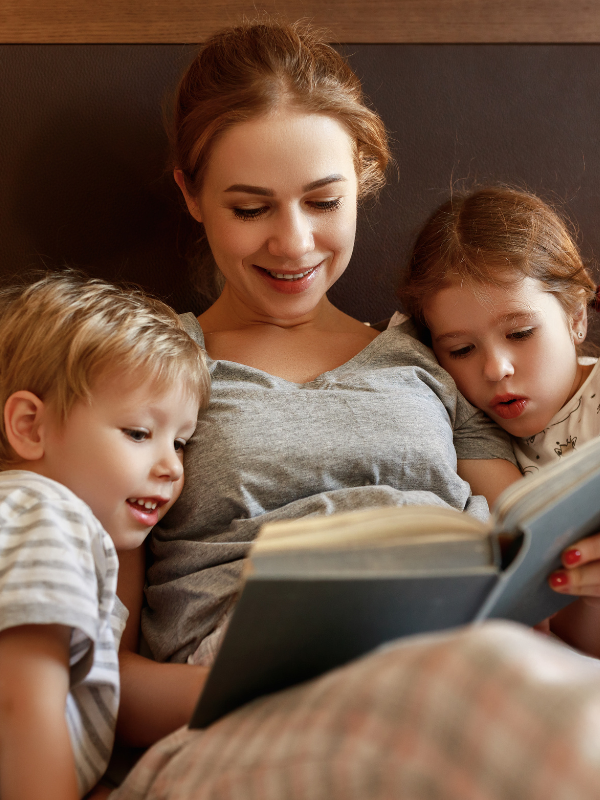
Build A Calming Bedtime Routine
How A Simple Wind-Down Sequence Makes Bedtime Less Of A BattleA bedtime routine is a sequence of signals that tells the brain, "It's time to slow down." Without those signals, the brain stays in "go" mode right up until lights out. For younger kids, this might look like a warm bath, 10 to 15 minutes of stories, and then lights off. The key is keeping the same sequence every single night. According to the Child Mind Institute, children who have a predictable bedtime routine fall asleep more easily and sleep longer. For older kids and teens, the routine looks a little different, but the principle is just the same. A wind-down period of 30 to 60 minutes before bed, which might include a shower, some reading, or light stretching, helps signal the end of the day. Adults may benefit just as much. Many skip this step entirely, moving straight from a busy evening of watching TV or scrolling on their phones into bed, only to wonder why they can't switch off. Even 20 minutes of calm, consistent activity before sleep makes a significant difference. To get children's buy-in, the best routines include some element of choice. For example, letting your little one decide whether they want their bath before or after a book gives them a sense of control and makes them more likely to cooperate.
-
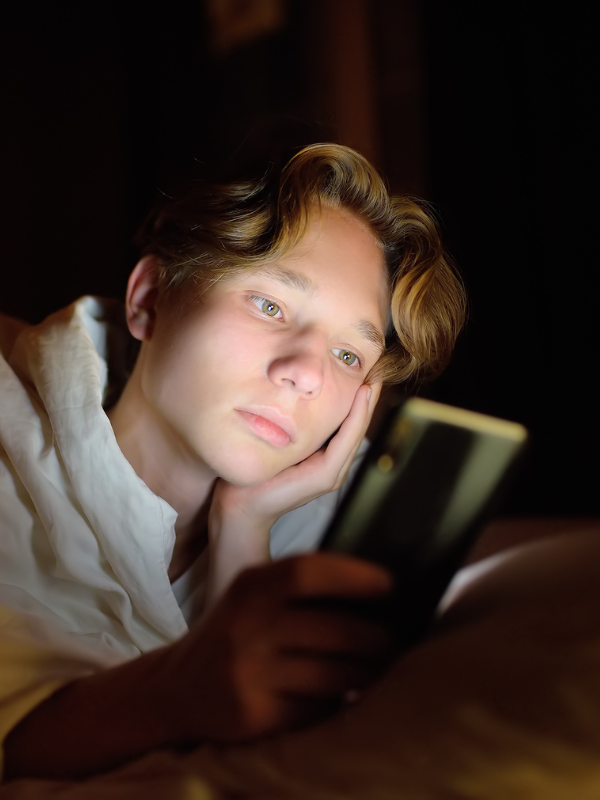
Turn Off Screens At Least An Hour Before Bed
Why That Last Scroll Before Bed Is Costing Your Family Hours Of SleepWe've all done it, sitting in bed, doomscrolling. However, when it comes to nighttime habits, this is one of the most well-researched sleep hygiene tips in existence, and one of the most consistently ignored. Phones, tablets, televisions, and computers all emit blue light. Blue light tells the brain that it's daytime. When children or adults are exposed to it in the hour before bed, it suppresses melatonin, the hormone responsible for making you feel sleepy. The content matters just as much as the light. Fast-paced games, social media feeds, and exciting videos are all stimulating. Even after the screen goes off, the brain continues to process what it just saw. The Child Mind Institute recommends putting screens away at least 1 hour before bedtime. For teenagers, this can feel like a battle, but teens who use phones in bed consistently sleep later, sleep less, and wake up more fatigued. A practical fix for families is to set up a charging station outside the bedrooms. When phones charge in the kitchen or lounge overnight, the temptation to scroll at midnight disappears entirely. It also models the habit for children who are watching what adults do.
-
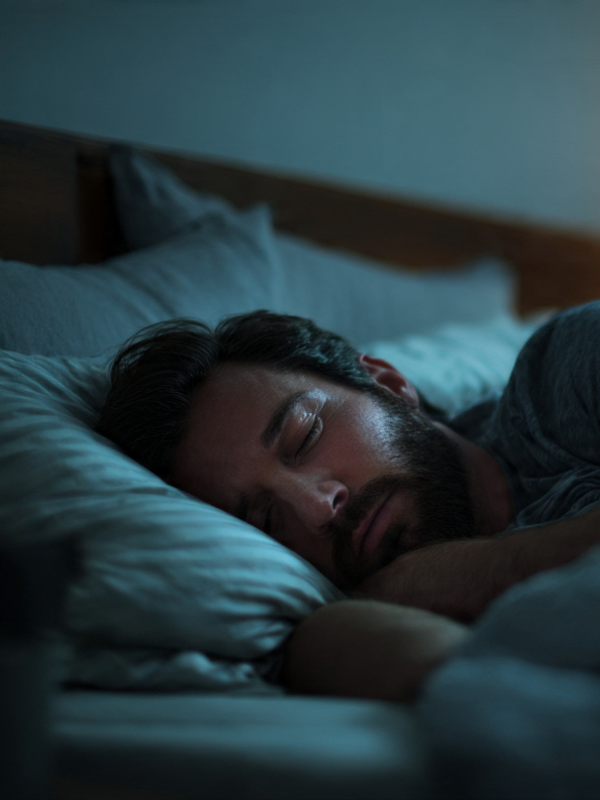
Create A Sleep-Friendly Bedroom Environment
Small Changes To The Room That Make A Big Difference To The NightThe bedroom itself plays a significant role in how well the family sleeps. The ideal sleep environment is dark, cool, and free from distractions. Darkness matters because light, even dim light from an alarm clock or a gaming console, signals the brain that it's time to wake up. Blackout curtains are among the best investments a family can make to improve children's sleep. In Singapore's climate, this can be combined with running the air conditioning at a comfortable temperature, typically around 22 to 25 degrees Celsius. According to Healthline, the bedroom should be kept free from anything that distracts from sleep. For children, that means toys that aren't used at bedtime should ideally be kept out of the sleeping area, or at least out of sight. For adults, it means keeping work materials and devices out of the room. Noise can also disrupt sleep without fully waking anyone. A white noise machine or even a fan can help mask sudden sounds, particularly for young ones and light sleepers. The key principle is simple. The more the brain associates the bedroom with sleep alone, the easier it becomes to fall asleep.
-
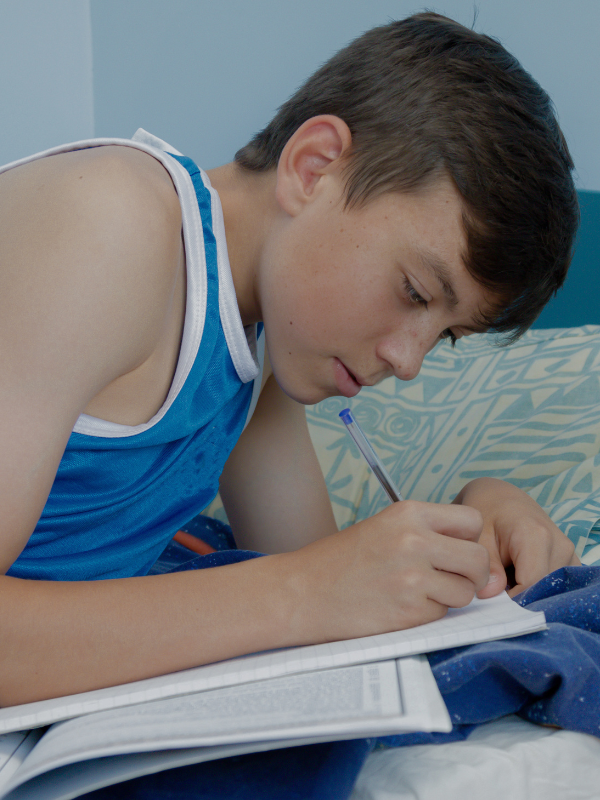
Keep The Bed For Sleeping Only
Why Doing Everything In Bed Is Quietly Ruining Your SleepThis is one of the more straightforward sleep hygiene tips, but the impact is real. When children do homework, watch shows, or play games in bed, the brain starts to associate the bed with those activities. At bedtime, instead of signaling rest, getting into bed activates the brain. For teenagers especially, the bed is often used as a lounge, a study desk, and a cinema, all in one. The goal is to make the bed a strong and reliable cue for sleep. When the brain connects bed with sleep, getting there speeds up falling asleep significantly. This principle, called stimulus control, is one of the core sleep techniques used in cognitive-behavioral therapy for insomnia (CBT-I), the evidence-based treatment for chronic sleep difficulties in adults and older teens. It sounds simple, but for families who have never thought about it, setting the rule that the bed is only for sleep can bring about noticeable change within a few weeks.
-

Watch What You Eat And Drink Before Bed
The Afternoon Coffee That's Still Keeping Your Teen Awake At MidnightWhat goes into the body in the hours before bed directly affects how well everyone sleeps. Caffeine is the most common culprit. It is found in coffee, tea, energy drinks, soft drinks, and chocolate. In adults and teens, caffeine can remain active in the bloodstream for 6 to 8 hours, meaning an afternoon coffee at 3 pm can still interfere with sleep at 11 pm. Many teens consume significant amounts of caffeine through energy drinks and don't connect it to their difficulty falling asleep at night. Heavy meals close to bedtime are also disruptive. Digesting food requires energy, and that process keeps the body active when it should be slowing down. Healthline recommends finishing dinner at least two to three hours before sleep. For adults, alcohol deserves a mention. While it may cause drowsiness initially, it disrupts the later stages of the sleep cycle and significantly reduces overall sleep quality. Many adults who rely on a nightly drink to unwind find that removing it leads to noticeably deeper and more refreshing sleep.
-

Get Moving During The Day
How Daytime Movement Sets The Whole Family Up For Deeper SleepPhysical activity during the day improves the whole family's sleep at night. Children who move their bodies regularly fall asleep faster and sleep more deeply. The same holds true for teens and adults. Exercise raises body temperature and increases adrenaline levels. When the body temperature naturally drops again several hours later, it signals to the brain that it's time to rest. Regular movement also reduces stress and anxiety, both of which are among the most common reasons people lie awake at night.The timing matters. Exercise within one to two hours of bedtime can have the opposite effect, raising alertness and making it harder to settle. Morning or afternoon activity works best for most people. Try it out and see what works best for you. For families in Singapore, this might look like an after-school swim, a walk, or a game of sport in the late afternoon. Children benefit from plenty of outdoor active play. Teens who exercise regularly report falling asleep more easily and feeling better rested. -
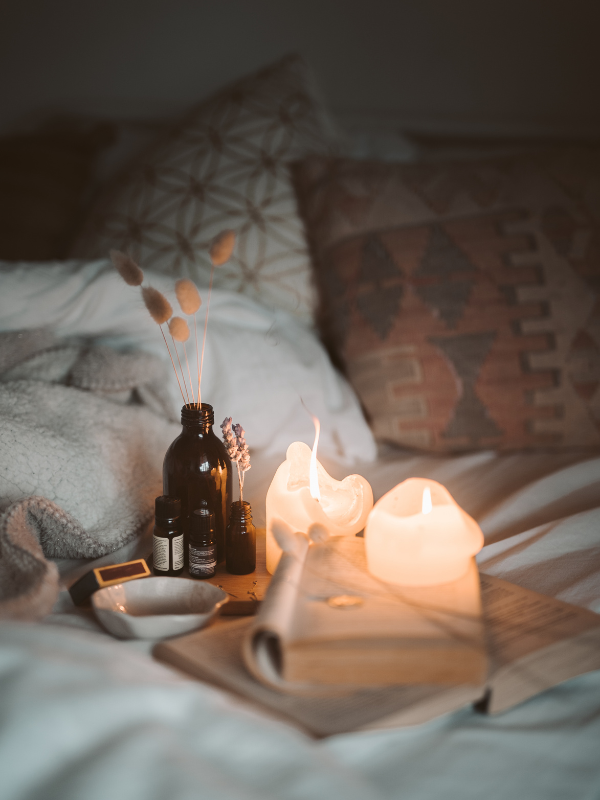
Use Relaxation Techniques To Quiet A Busy Mind
What To Do When The Body Is Exhausted But The Brain Won't StopSometimes the body is tired, but the mind simply won't stop. Racing thoughts, replaying the events of the day, worrying about tomorrow. This is one of the most common complaints among adults and teens who struggle with sleep, and it's also one of the most addressable. Relaxation and sleep techniques work by activating the body's parasympathetic nervous system, its natural "rest and recover" mode. This slows the heart rate, loosens muscle tension, and quiets mental chatter. For children aged eight and above, simple breathing exercises can be surprisingly effective. One widely used method involves breathing in for four counts, holding for four, and then breathing out for four. This is sometimes called "box breathing," and it gives the mind something straightforward to focus on. For teens and adults, guided sleep meditations and progressive muscle relaxation are all evidence-based options. Cognitive behavioral therapy for insomnia (CBT-I), which combines sleep techniques with changes to thoughts and habits around sleep, is considered the gold-standard treatment for chronic insomnia in adults. It is now available through several sleep clinics in Singapore.
-
Where To Get Help With Sleep In Singapore
When Better Bedtimes Aren't Working, These Are The People To CallIf these sleep hygiene tips haven't resolved ongoing difficulties for your child, teenager or yourself, it's worth speaking to a professional. Here are some trusted options in Singapore.
-
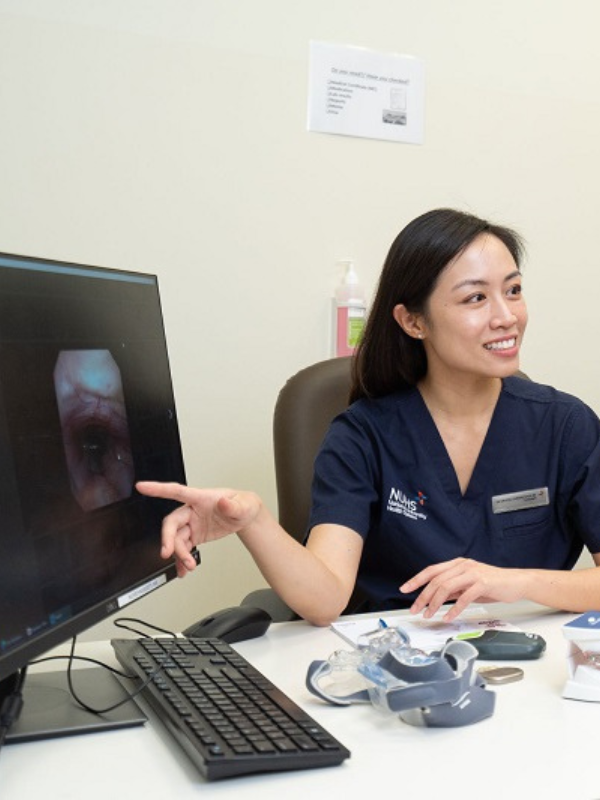
NUH Sleep Services
Singapore's Leading Sleep Services For Children, Teens And Adults With Sleep DisordersNUH Sleep Services is designed to help adults, adolescents, and children achieve better quality sleep. It sees patients with a broad range of sleep disorders, including obstructive sleep apnoea, insomnia, narcolepsy, circadian rhythm disorders, and parasomnias. What makes NUH Sleep Services stand out is its multidisciplinary approach. The team brings together clinical and dental specialists to thoroughly assess each patient and develop a treatment plan tailored to their specific condition. Sleep testing is available both in their
center'ssleep laboratory and as home-based studies for eligible patients. Treatment options include CPAP therapy for sleep apnoea, cognitive behavioral therapy for insomnia, light therapy for circadian rhythm disorders, and medication where clinically appropriate. NUH Sleep Services is also active in clinical research, meaning patients have access to current evidence-based care. For families in Singapore, this is an excellent first port of call, as the team works with all ages, from children to adults.National University Hospital (NUH) Sleep Services, 5 Lower Kent Ridge Road, Singapore 119074, +65 6908 2222, https://www.nuh.com.sg
-
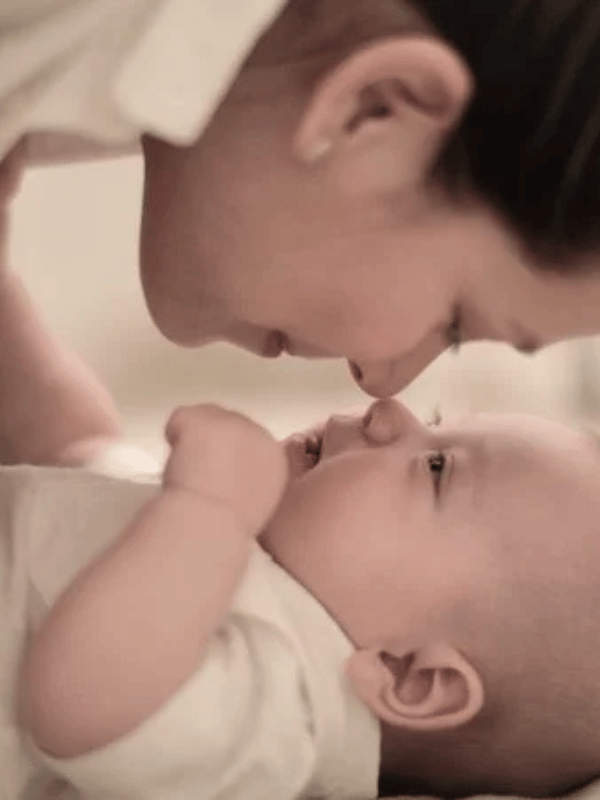
Rested Mum Happy Bub
Gentle, Personalized Sleep Coaching That Helps Little Ones Learn To Sleep On Their OwnFor parents of babies and toddlers who are struggling to sleep, "Rested Mum Happy Bub" is a service worth knowing about. Founded by Han Ying, a certified Sleep Sense consultant based in Singapore, the service helps exhausted parents teach their young children to sleep independently using gentle, responsive methods. Han Ying takes the time to understand each baby's temperament, sleep patterns, and family routine before putting together a personalized sleep plan. Her approach is gradual and supportive, always keeping the child's comfort and the family's well-being front and center. Parents who have worked with Han Ying consistently describe a transformation within the first week. Children who previously needed rocking, feeding, or patting to sleep learn to self-settle, and the whole family benefits. The improvement in mood, energy, and family dynamics that follows well-rested nights is, by many accounts, significant. She offers a free 20-minute discovery call for new clients, so families can explore whether the approach suits them before committing to a program.
Rested Mum Happy Bub, Singapore (virtual and in-home service available), https://restedmumhappybub.com/
-
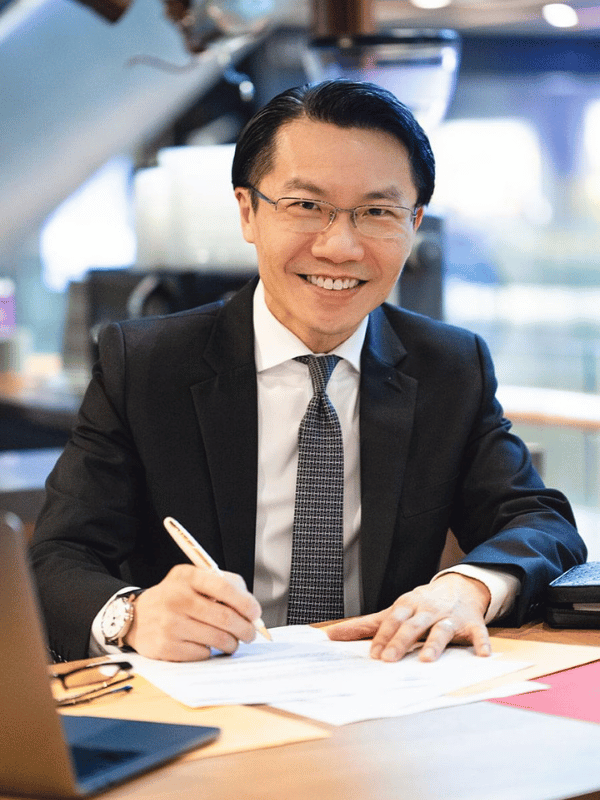
Asia Sleep Centre
30 Years Of Experience Treating Sleep Disorders In SingaporeFor adults and children dealing with snoring, obstructive sleep apnoea, or other complex sleep disorders, Dr. Kenny Pang at the Asia Sleep Centre is one of Singapore's most experienced specialists.
Dr. Pang brings more than 30 years of clinical experience and is internationally recognized for his contributions to sleep medicine. He treats a wide range of conditions, including snoring, sleep apnoea, insomnia, narcolepsy, sleep walking, night terrors, bed wetting, and various parasomnias. Dr Pang is also the inventor of Pang's Expansion Pharyngoplasty, a surgical procedure for snoring and sleep apnoea, with research published in the American Journal of ENT and the European Journal of ENT. He is the founder and president of the ASEAN Sleep Surgical Society and has directed sleep surgery courses internationally. For families where a parent's snoring or untreated sleep apnoea is affecting everyone's rest, or where a child has persistent sleep-disordered breathing, Dr Pang's clinic offers thorough diagnostic testing and both medical and surgical treatment options.Asia Sleep Centre (Dr. Kenny Pang), 290 Orchard Road, Paragon #18-04, Singapore 238859, +65 6836 0060, https://drkennypang.com/
-
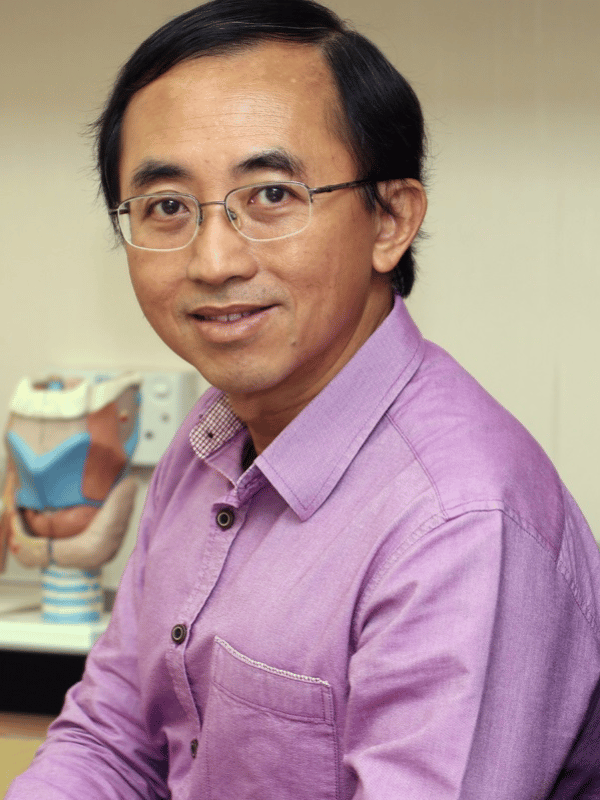
NoseSinus Sleep Clinic
From Diagnosis To Treatment, A Trusted ENT Specialist For The Whole Family's Sleep HealthDr. Kevin Soh is an ENT specialist with more than 23 years of experience treating snoring and sleep disorders in both adults and children. His clinic at Mount Elizabeth Medical Centre offers a full suite of sleep services, from initial consultation and diagnostic testing through to personalized treatment plans. The clinic offers both in-laboratory polysomnography and home-based Watch-PAT sleep studies. The Watch-PAT device is worn on the wrist at home, making it a convenient and accurate option for patients who prefer testing in their own environment. It has been shown to be up to 93% accurate compared to in-hospital sleep studies. Dr. Soh treats obstructive sleep apnoea, snoring, insomnia, and other sleep-related conditions in adults and children. His treatment options include lifestyle recommendations, nasal treatment, CPAP therapy, and surgery where appropriate. If someone in the family snores regularly, wakes frequently through the night, or feels excessively tired despite sleeping for a reasonable number of hours, Dr. Soh's clinic is a well-regarded and accessible option.
NoseSinus (Dr. Kevin Soh), #07-02 Mount Elizabeth Medical Centre, 3 Mount Elizabeth, Singapore 228510, +65 6887 4385, https://nosesinus.com/
-
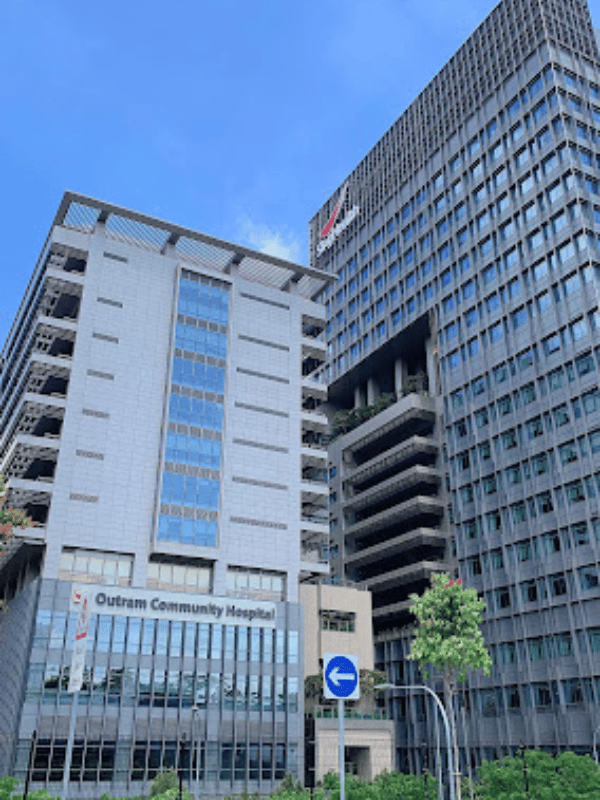
SGH Sleep Centre
Singapore's Largest Accredited Hospital Sleep Centre For Complex And Chronic Sleep DisordersThe SGH Sleep Centre is the largest sleep centre in Singapore and the only Australasian Sleep Association and National Association of Testing Authorities-accredited sleep service in Asia. It has a long-established history, with Singapore's first dedicated sleep laboratory opening at SGH in 1987. Today, its multidisciplinary team includes respiratory physicians, ENT surgeons, neurologists, psychiatrists, and psychologists, all working together. The centre treats a wide range of conditions including sleep apnoea, snoring, insomnia, parasomnias, REM sleep disorders, leg movement disorders and obesity hypoventilation syndrome. Both in-hospital and home-based sleep studies are available. Additional services include CPAP therapy, cognitive behavioral therapy for insomnia, and orofacial myofunctional therapy, a set of tongue and throat exercises that improve airway tone. For patients with complex or chronic sleep conditions, the SGH Sleep Centre is one of the most well-resourced options in Singapore.
SGH Sleep Centre, SingHealth Tower (Outram Community Hospital), Level 3, Outram Road, Singapore 169608, +65 6326 6060, https://www.sgh.com.sg/our-specialties/sleep-centre
-

Changi Sleep And Assisted Ventilation Centre (CGH)
A Dedicated Sleep Health Team In Singapore's EastEstablished in April 2019, the Changi Sleep and Assisted Ventilation Centre at CGH is one of Singapore's largest and most active sleep centres. It takes an integrated care approach, bringing together ENT surgeons, respiratory physicians, dentists, neurologists, psychologists and lifestyle specialists from sports medicine, endocrinology and bariatric surgery. The centre is accredited by the Australasian Sleep Association and conducts over 1,000 sleep studies per year, carried out by a team of highly trained sleep technologists. Services include specialist and nurse-led outpatient clinics, home sleep studies, home oximetry, overnight polysomnography, CPAP and BiPAP titration, multiple sleep latency testing, and cognitive behavioral therapy for insomnia. For families living in eastern Singapore, the Changi Sleep and Assisted Ventilation Centre offers a high level of specialist care close to home. Its broad team means that patients with sleep disorders linked to other health conditions, including weight, breathing and mental health, are well supported in one place.
Changi Sleep And Assisted Ventilation Centre, Medical Centre Level 2, Changi General Hospital, 2 Simei Street 3, Singapore 529889, +65 6850 3333, https://www.cgh.com.sg/our-specialties/sleep-medicine
-
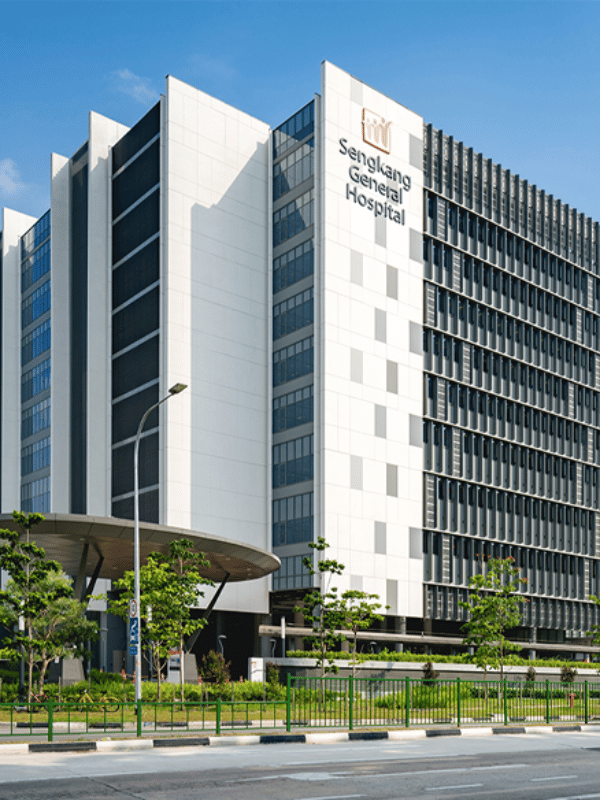
Sengkang General Hospital Sleep Clinic (SKH)
Expert Sleep Care Closer To Home For Families In Singapore's North-EastSengkang General Hospital's Sleep Clinic is one of the key clinical sites of the SingHealth Duke-NUS Sleep Centre network. The clinic sees patients with a broad range of sleep disorders, including sleep apnoea, snoring, insomnia, narcolepsy, REM sleep behavior disorder, restless leg syndrome, and circadian rhythm disorders. The team comprises ENT surgeons, pulmonologists, neurologists, psychiatrists, and psychologists, all dedicated to the diagnosis and management of sleep conditions. Diagnostic services include both in-hospital polysomnography and home-based sleep studies, and treatment options cover CPAP therapy, oral appliance therapy, positional therapy, surgery and weight management support. For families in the north-east of Singapore, SKH offers a genuinely convenient alternative to traveling into the city for sleep care. Being part of the SingHealth Duke-NUS network also means patients benefit from the resources and research of one of Singapore's leading academic medical institutions.
Sengkang General Hospital Sleep Clinic, 110 Sengkang East Way, Singapore 544886, +65 6930 6000, https://www.skh.com.sg/our-specialties/sleep-clinic
-
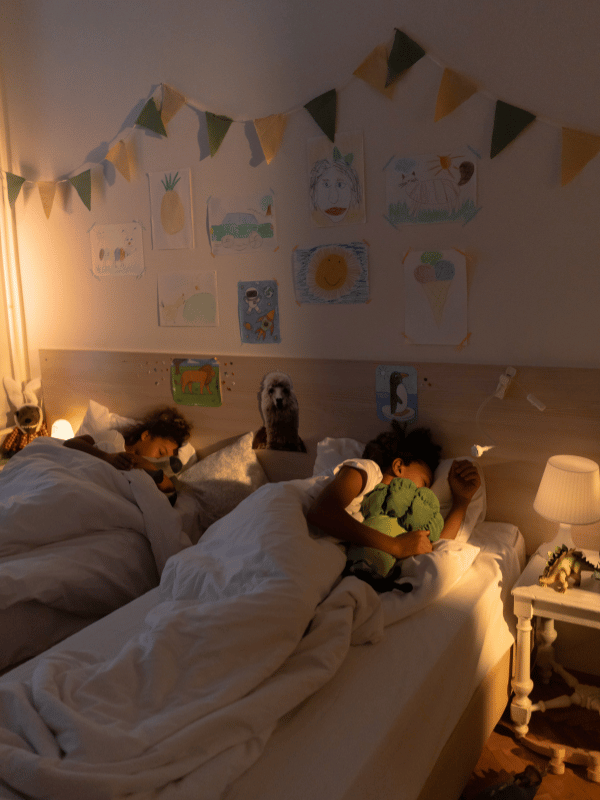
KK Women's And Children's Hospital (KKH) Sleep Disorders Centre
A Dedicated Paediatric Sleep Disorders Centre, Caring For Children From Newborns To Age 18KKH is a key referral centre in Singapore for breathing and sleep-related disorders. Its Respiratory Medicine Service cares for a large number of children, from newborns through to those under 18 years old. The Sleep Disorders Centre is a two-room facility performing 10 sleep studies per week. Its video polysomnography and multiple sleep latency tests allow the team to assess a wide range of conditions, including sleep-related breathing disorders, parasomnias, hypersomnias and periodic limb movement disorders. Statistics show that 20% of children in Singapore snore occasionally, and 7% to 10% snore habitually. While most children who snore are healthy, about 1% may snore due to sleep or breathing problems. The risk is higher in children with large tonsils and adenoids, conditions affecting the central nervous system, anatomical differences in the jaw or face, a family history of sleep problems, or obesity. For families concerned about a child's sleep, KKH offers a trusted, child-focused environment with specialists experienced specifically in pediatric cases.
KK Women's And Children's Hospital (KKH), 100 Bukit Timah Road, Singapore 229899, +65 6225 5554, https://www.kkh.com.sg/our-specialties/respiratory-medicine
-
More Sleep Resources For Your Family
Find more advice on helping your kids, teens and adults sleep better every night




 Recommends