
-
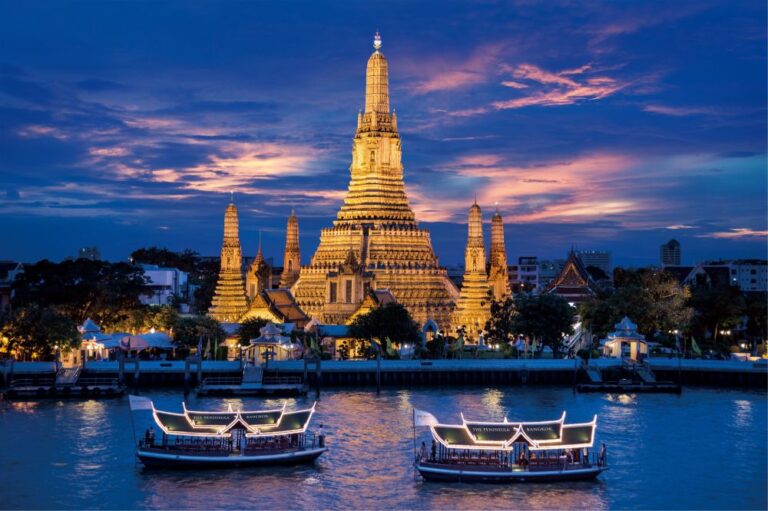
BANGKOK, THAILAND – Ancient Temples, River Life And Contemporary Cool
Two Or Three Days Of Culture, Street Food, Rooftop Bars And Riverside LuxuryBangkok is an energetic city where age-old temples sit alongside buzzing markets, design-led cafés, and some of Southeast Asia's best rooftop bars. The Chao Phraya River connects it all together. Hop a longtail boat and you cross from busy commercial piers to tranquil temple courtyards within minutes.
Why Little Steps Loves It: Bangkok rewards travelers who mix the iconic with the unexpected. The Grand Palace and Wat Pho are genuine must-sees, but the city's real character reveals itself in the backstreets of Thonglor, the night-food chaos of Chinatown, and the quiet gardens of a riverside hotel at dusk. Easy to navigate, endlessly surprising, and excellent value across all budgets.
Who Is Bangkok Perfect For? Couples, solo travelers, and adventurous families comfortable with a busy city. Ideal for culture-seekers, food lovers, and anyone who wants a mix of history and nightlife in a short break. Two nights work well, but three gives proper breathing room and more time to explore Asia’s most frenetic city.
What Does A Bangkok Itinerary Look Like? Day one includes the essentials. Head to the Grand Palace early (arrive before 9am), Wat Pho and the Reclining Buddha, then a longtail boat along the Chao Phraya. Evening in Rattanakosin at a riverside restaurant. Day two goes contemporary with Chatuchak Weekend Market (weekends only), or the café-gallery scene in Thonglor or Ari. Afternoon at Benjakitti Park, evening at a Sathorn rooftop or Chinatown food stalls.
Where Should You Stay In Bangkok? The Siam is one of Little Steps’ fav picks for a luxury city break, a gorgeous riverside retreat combining Art Deco glamour with Thai antiques and private gardens. Morning yoga, afternoon spa, and a concierge team that puts together tailored city itineraries make it a strong base for first-timers and returnees alike.
What Unique Experiences Can You Book In Bangkok? The Siam can arrange a sak yant tattoo session with a certified ajarn (a sacred Thai tattooing ritual said to offer spiritual protection), private Muay Thai lessons at the hotel gym, flower garland-making classes, and vintage Vespa tours through the city's quieter artist enclaves, riverside night markets, and heritage neighborhoods rarely covered by standard tours.
The Siam, 3/2 Thanon Khao, Vachirapayabal, Dusit, Bangkok 10300, Thailand, +66 2206 6999, info@thesiamhotel.com, https://www.thesiamhotel.com/
-
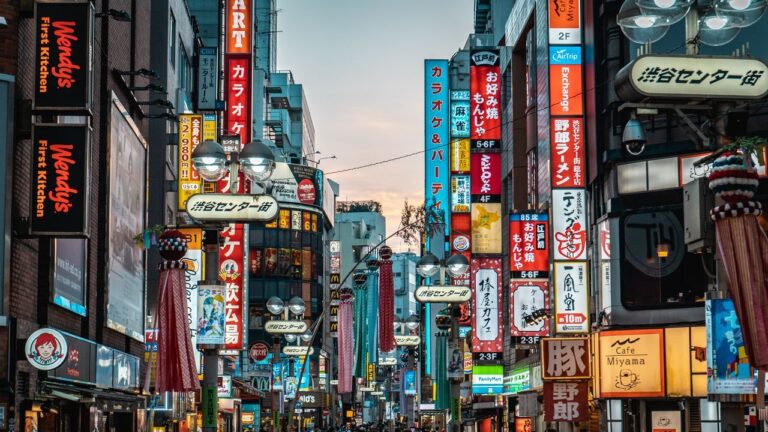
TOKYO, JAPAN – Ancient Temples, Digital Art And Late-Night Ramen
Two Or Three Days Of Culture, Food Markets, Designer Shopping And Ryokan-Style LuxuryTokyo is one of Asia's great city break destinations, blending centuries-old tradition with restless innovation. Ancient shrines sit minutes from neon-lit crossings, world-class museums, and some of the best food per square kilometer on the planet. It is compact enough to navigate easily and interesting enough to reward every type of traveler.
Why Little Steps Loves It: Tokyo's neighborhoods each have a distinct personality, making itinerary-building genuinely exciting. Asakusa is steeped in old Edo atmosphere; Shibuya runs on youth energy and street style; Harajuku surprises at every turn. Add Tsukiji for a proper market breakfast and Golden Gai for an after-hours drink. Tokyo delivers an almost unfair density of experiences within a short trip.
Who Is Tokyo Perfect For? Food lovers, culture fans, design-minded travelers, and anyone who wants a city that works perfectly. It is equally rewarding for solo travelers, couples, and families with older children. Two nights is a solid start. Three allows a more relaxed pace with room for a day-trip to Nikko or Kamakura.
What Does A Tokyo Itinerary Look Like? Day one: Senso-ji Temple and the Kaminarimon Gate in Asakusa, then Nakamise shopping street and Ueno Park. Spend the afternoon in Shibuya for the Scramble Crossing, local boutiques, and café browsing. Day two: start early at Tsukiji Outer Market for fresh sushi and street snacks, then visit Harajuku for Meiji Shrine and the fashion scene. Spend the afternoon in Ginza for designer shopping or teamLab Borderless for digital art. If time allows, visit the Imperial Palace east gardens or Tokyo Skytree for panoramic views. Evenings in Shinjuku include ramen, izakaya, rooftop bars, and the tiny atmospheric bars of Golden Gai.
Where Should You Stay In Tokyo? Hoshinoya Tokyo is the top pick for a luxury city break. The ryokan-style boutique hotel in central Chiyoda has minimalist Japanese interiors, hot spring baths, and traditional tea ceremonies. Calm and beautifully designed, it provides a genuine escape after full days out, with easy access to Asakusa and Shibuya.
What Unique Experiences Can You Book In Tokyo? TeamLab Borderless is a must-book digital art experience. It’s a fully immersive environment where light and sound installations shift around you. You can also look for a private ramen-making class in a local kitchen, a guided early-morning visit to Tsukiji with a chef, a sake tasting in a historic Asakusa brewery, or a twilight cycle through the quieter backstreets of Yanaka, one of Tokyo's last intact old-town neighborhoods.
Hoshinoya Tokyo, 1-9-1 Otemachi, Chiyoda-ku, Tokyo 100-0004, +81 50 3134 8096, customer_tokyo@hoshinoya.com, https://hoshinoresorts.com/en/hotels/hoshinoyatokyo/
-
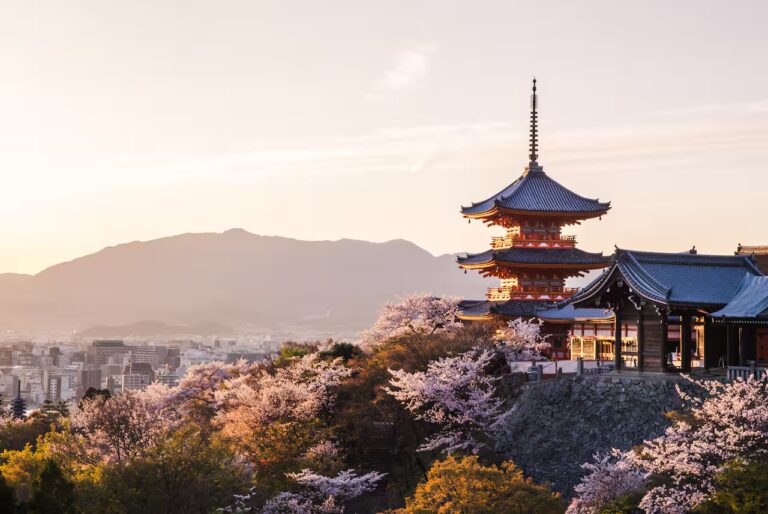
KYOTO, JAPAN – Bamboo Groves, Geisha Districts And Golden Temples
Two Or Three Days Of Ancient Gardens, Lantern-Lit Streets And Onsen LuxuryTwo Or Three Days Of Ancient Gardens, Lantern-Lit Streets And Onsen Luxury
Kyoto moves at a different pace than Tokyo. It’s unhurried, and quietly spectacular. Former imperial capital and spiritual center of Japan, it packs an extraordinary density of temples, gardens, and preserved historic districts into a compact, walkable city. It rewards slow mornings and impromptu detours equally.
Why Little Steps Loves It: Kyoto earns its reputation through an accumulation of moments, mist over the bamboo grove at dawn, a maiko glimpsed in Gion at dusk, the peacefulness of a temple garden mid-afternoon. It fits perfectly with Tokyo for a combined Japan itinerary, offering a complete counterpoint to the capital's energy.
Who Is Kyoto Perfect For? Travelers who want culture without the crowds of a major city, couples looking for a romantic break, and anyone interested in Japanese history, architecture, or traditional arts. Two nights works well; three allows a relaxed pace with time for Fushimi Inari and Kinkaku-ji.
What Does A Kyoto Itinerary Look Like? Day one: early morning at the Arashiyama's bamboo grove before the crowds arrive, then Tenryu-ji Temple gardens, lunch at a riverside café near Togetsukyo Bridge, and either Monkey Park Iwatayama for city views or the Sagano Romantic Train along the river valley. Day two: Gion's lantern-lit lanes with machiya tea shops, ryokans, and galleries, followed by Yasaka Shrine at dusk and a stroll through Higashiyama's temple-dotted slopes and craft boutiques. Day three (if time allows): Fushimi Inari's torii gate trail early morning or Kinkaku-ji's gold-leafed pavilion, followed by tea and wagashi at a traditional tea house or a cycle through the preserved streets of Saga-Toriimoto.
Where Should You Stay In Kyoto? Hotel The Mitsui Kyoto is an exceptional base. It’s a luxury property steps from Nijo Castle and within easy reach of Gion, combining modern design with Japanese minimalism. A private onsen spa, landscaped gardens, and thoughtful service make it a restorative retreat after full days of temple-hopping.
What Unique Experiences Can You Book In Kyoto? A private tea ceremony in a historic machiya is one of Kyoto's most rewarding cultural experiences, and several studios offer intimate sessions away from the tourist circuit. Also worth booking a kimono rental and Gion walk in the early morning, a guided Fushimi Inari hike before the crowds arrive, a kaiseki cooking class with a local chef, or an evening Noh theatre performance at one of the city's traditional venues.
Hotel The Mitsui Kyoto, 284 Nijoaburanokoji-cho, Aburano-koji St. Nijo-sagaru, Nakagyo-ku, Kyoto, Japan, +81 75 468 3100, reservations.kyoto@hotelthemitsui.com, https://www.hotelthemitsui.com/en/kyoto/
-
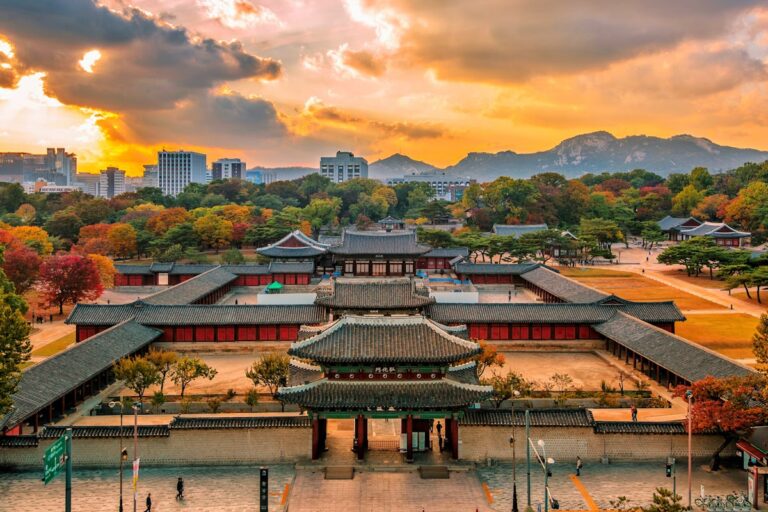
SEOUL, SOUTH KOREA – Royal Palaces, K-Pop Culture And Sky-High City Views
Two Or Three Days Of Heritage Districts, Street Food, Designer Shopping And Boutique StaysSeoul is one of Asia's most dynamic city break destinations. Centuries-old palaces share the skyline with towering skyscrapers, and street cuisine culture rivals its Michelin-starred dining scene in sophistication. The city is energetic and easy to navigate on an efficient metro system.
Why Little Steps Loves It: Seoul's neighborhoods shift dramatically from one to the next. The wooden lanes of Bukchon Hanok Village give way within minutes to the neon sprawl of Myeongdong or the polished avenues of Gangnam. That variety, combined with outstanding food, excellent shopping, and some of Asia's most photogenic viewpoints, makes it an easy city to fill two- or three-days.
Who Is Seoul Perfect For? Fashion-conscious travelers, K-culture enthusiasts, foodies, and anyone wanting a full-spectrum city experience across history, shopping, and contemporary culture. It works well for solo travelers and couples and is a strong pick for families with teens. Two nights is a solid introduction; three allows time for Gangnam and a proper market day.
What Does A Seoul Itinerary Look Like? Day one: Gyeongbokgung Palace, arrive early for the changing of the guard, then Bukchon Hanok Village for its restored wooden houses, galleries, and teahouses. Lunch in Insadong among artisan shops and calligraphy studios. Day two: Myeongdong for street food (tteokbokki, hotteok), beauty shopping, and department stores. In the afternoon, visit Namdaemun Market and take a cable car to N Seoul Tower on Namsan for panoramic evening views. Day three: Gangnam for luxury boutiques and K-pop landmarks, COEX Mall and the Starfield Library, and a break at Bongeunsa Temple's gardens. Finish with sunset from Seoul Sky Observatory at the top of Lotte World Tower.
Where should You Stay In Seoul? Hotel28 Myeongdong is a well-positioned boutique option in the center of the city's action. It’s a modern, art-inspired property with minimalist rooms, premium finishes, and a rooftop garden. Steps from the retail and street food scene of Myeongdong, it keeps everything within easy reach without giving up style or comfort.
What Unique Experiences Can You Book In Seoul? A hanbok fitting and guided walk through Gyeongbokgung is one of Seoul's most popular and genuinely rewarding cultural experiences, several studios near the palace offer rentals with styling included. Also worth booking: a private K-food cooking class, a guided street-art tour of Hongdae's mural lanes, a Korean skincare workshop in Myeongdong, or an evening at a traditional makgeolli bar in Insadong for a local take on Korean drinking culture.
Hotel28 Myeongdong, 13Myeongdong 7-Gil, Jung-Gu, Seoul, Korea, +82 2 774 2828, rsvn@hotel28.co.kr, https://www.hotel28.co.kr/view/index.do
-
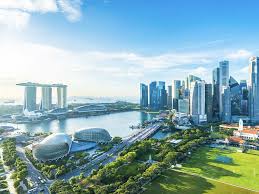
SINGAPORE – Futuristic Skylines, Cultural Heritage And World-Class Food
Two Or Three Days Of Botanical Gardens, Hawker Culture, Bay Views And Riverside Boutique StaysSingapore punches well above its size as a city break destination. It’s immaculately organized, diverse, and dense with experiences across culture, food, architecture, and green space. It is one of Asia's easiest cities to navigate and most consistently rewarding for short stays.
Why Little Steps Loves It: Singapore's appeal exists in multiple layers. The heritage districts of Chinatown, Kampong Glam, and Little India offer a completely different city at street level. The food alone, from hawker centers to Michelin-starred tables justifies the trip. The city is small enough to cover a lot of ground in two or three days without feeling hurried.
Who Is Singapore Perfect For? Travelers of every kind, solo, couples, families, multi-generational groups. It is an excellent first stop in Asia for first-timers and a city that consistently reveals something new on return visits. Strong infrastructure and English as a working language make it particularly accessible. Two nights cover the highlights; three allows a more relaxed pace with Sentosa or the Botanic Gardens.
What Does A Singapore Itinerary Look Like? Day one: Marina Bay Sands SkyPark for city views, the ArtScience Museum, and the Spectra Light and Water Show in the evening along the bay. Day two: Gardens by the Bay and the Supertree Grove, Cloud Forest, Flower Dome, and the OCBC Skyway treetop walk followed by an afternoon in Chinatown for hawker food at Maxwell Food Centre (Hainanese chicken rice is essential) and a browse through heritage shophouses and market lanes. Day three: Singapore Botanic Gardens (UNESCO-listed and beautiful) or Kampong Glam for Malay heritage and street murals, with an optional cable car trip to Sentosa for beaches and the S.E.A. Aquarium.
Where Should You Stay In Singapore? The Warehouse Hotel on Robertson Quay is one of the city's most characterful stays, a restored 19th-century godown (river warehouse) with industrial-chic interiors and strong Singaporean historical references throughout. The lobby bar is excellent, rooms are thoughtfully detailed, and the riverside location puts you within easy reach of dining and nightlife without the crowds of the central tourist area.
What Unique Experiences Can You Book In Singapore? A guided hawker center tour with a local food historian is one of the city's most underrated experiences, Maxwell, Lau Pa Sat, and Old Airport Road each have their own story. Also worth booking: a night safari at the Singapore Zoo (genuinely unlike any other wildlife experience in Asia), a private heritage walk through the Peranakan shophouses of Katong, a cocktail masterclass at a craft bar in Tanjong Pagar, or an early-morning visit to the Botanic Gardens before the heat sets in.
The Warehouse Hotel, 320 Havelock Road, Robertson Quay, Singapore, +65 6828 0000, reservations@thewarehousehotel.com, https://www.thewarehousehotel.com/
-

HONG KONG, SPECIAL ADMINISTRATIVE REGION OF CHINA – Star Ferries, Night Markets And Harbor Skylines
Two Or Three Days Of Iconic Viewpoints, Dim Sum Culture, Kowloon Markets And Admiralty LuxuryHong Kong is one of Asia's most cinematic city break destinations, a dense, vertical, kinetic place where colonial history, Cantonese tradition, and modernity collide at every turn. Small enough to cover efficiently, complex enough to reward every hour you spend.
Why Little Steps Loves It: Hong Kong delivers spectacle from the moment you cross Victoria Harbor on the Star Ferry. Beyond the skyline, you'll find exceptional food, atmospheric night markets, hiking trails, and neighborhood character that takes time to reveal itself. The contrast between Kowloon's street-level energy and the calm of The Peak or Lantau Island makes a short stay feel varied.
Who Is Hong Kong Perfect For? Urban explorers, food lovers, shoppers, and travelers who want dramatic scenery without leaving the city. It is equally rewarding for solo travelers, couples, and families with older children. Two nights cover the basics; three open up the outer islands and hiking trails.
What Does A Hong Kong Itinerary Look Like? Day one: the Star Ferry across Victoria Harbour for skyline views, a waterfront stroll along the Tsim Sha Tsui promenade, then the historic Peak Tram up to Victoria Peak for panoramic views over the harbor and South China Sea. Day two: Kowloon — dim sum at a local tea house, then the markets of Mong Kok and Yau Ma Tei (Ladies' Market, antiques on Cat Street), finishing at Temple Street Night Market after dark for noodles, stir-fried seafood, and street food atmosphere. Also worth fitting in: Kowloon Walled City Park or the PMQ design hub in Central. Day three: hiking the Dragon's Back trail or Victoria Peak's circular route, or a ferry to Lantau Island for the Big Buddha and Po Lin Monastery.
Where Should You Stay In Hong Kong? The Upper House in Admiralty is one of the city's finest addresses, set above Pacific Place with expansive rooms, harbor and urban views, and a level of calm that feels at odds (in the best way) with Hong Kong's pace. The garden lounge, contemporary Asian restaurant, and genuinely warm service make it a strong base for a well-paced city break.
What Unique Experiences Can You Book In Hong Kong? A private dim sum breakfast with a local guide, covering the etiquette, the tea choices, and the lesser-known dishes beyond har gow and siu mai, is one of the city's most enjoyable cultural experiences. Also worth booking: a guided night photography walk through Mong Kok's neon-bright streets, a Lantau Island cycling tour between fishing villages, a private junk boat sunset cruise across Victoria Harbour, or a morning tai chi session in Kowloon Park with a local instructor.
The Upper House, Pacific Place, 88 Queensway, Admiralty, Hong Kong, + 852 3968 1000, guestexperience@upperhouse.com, https://www.thehousecollective.com/en/the-upper-house/
-
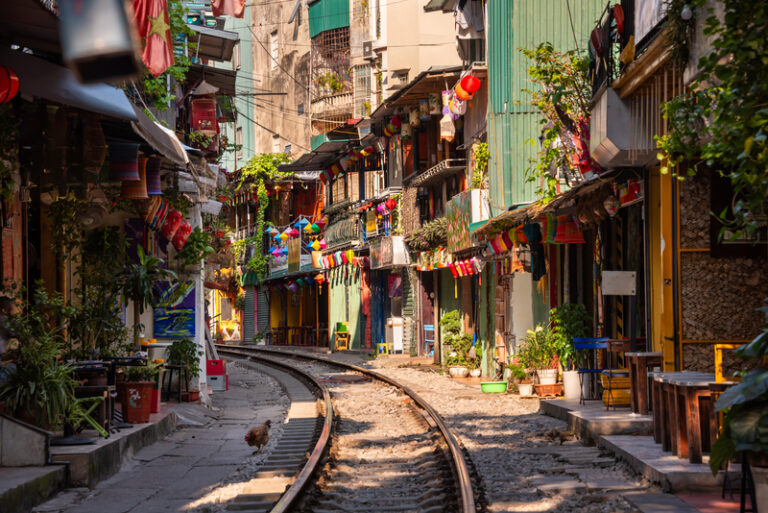
HANOI, VIETNAM – Old Quarter Lanes, Ancient Temples And French Colonial Character
Two Or Three Days Of Street Food Culture, Heritage Museums, Lake Views And Boutique Old Quarter StaysHanoi is one of Southeast Asia's most atmospheric city break destinations. French colonial architecture meets ancient Vietnamese heritage, and daily life spills onto every pavement, lake edge, and market lane. Compact, characterful, and great value.
Why Little Steps Loves It: Hanoi rewards slow exploration. The Old Quarter's labyrinth of streets, each historically dedicated to a single trade, is endlessly interesting at any hour, but especially at dawn when breakfast pho vendors set up, and the parks fill with tai chi. Add world-class street food, serious museums, and some of the region's best boutique hotels, and it's pretty easy to see why Hanoi consistently ranks among Asia's most compelling short breaks.
Who Is Hanoi Perfect For? History and culture lovers, food-focused travelers, and anyone drawn to cities with genuine character and an unhurried pace. An excellent choice for solo travelers and couples; also works well for adventurous families with older children. Two nights cover the essentials; three allow a proper Old Quarter wander and a museum day without feeling rushed.
What Does A Hanoi Itinerary Look Like? Day one: the Old Quarter on foot or by bicycle, morning pho from a street vendor, a pause at Hoan Kiem Lake, strong Vietnamese coffee, and fresh bánh mì from a side-street stall. Afternoon at the Temple of Literature, five courtyards, ancient pavilions, and stone steles honoring Vietnam's master scholars. Day two: Ho Chi Minh Mausoleum and the One Pillar Pagoda in the morning, then west to West Lake's quieter banks for local seafood and sunset views. Hoa Lo Prison Museum for history in the afternoon, followed by the Old Quarter night market and street food after dark. Day three: the Vietnamese Women's Museum, a visit to Train Street, a traditional water puppet performance at Thang Long Theater, and sunset from an Old Quarter rooftop bar.
Where Should You Stay In Hanoi? La Siesta Premium Hang Be is a beautifully positioned boutique hotel a short walk from Hoan Kiem Lake, elegant period interiors with Asian design details, attentive service, and rooms that in some cases feature French balconies and city views. Its Old Quarter location means the best of Hanoi is all within walking distance in every direction.
What Unique Experiences Can You Book In Hanoi? A street food walking tour of the Old Quarter with a local guide is one of the city's most enjoyable ways to eat, covering bun cha, banh cuon, egg coffee, and lesser-known snacks that don't appear on most tourist menus. Also worth booking: a private cyclo tour through the Old Quarter at dusk, a hands-on Vietnamese cooking class in a heritage shophouse, an early morning tai chi session at Hoan Kiem Lake with a local practitioner, or a day trip to Ninh Binh for river caves and karst scenery within two hours of the city.
La Siesta Premium Hang Be, No. 27 Hang Be Street, Hoan Kiem Ward, Hanoi, Vietnam, +84 24 3929 0011, hangbe@lasiestahotels.com, https://lasiestahotels.com/hangbe/
-
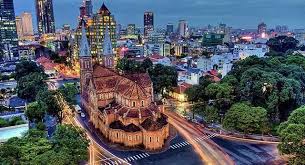
HO CHI MINH CITY, VIETNAM – Colonial Landmarks, Street Food Culture And Wartime History
Two Or Three Days Of Market Mornings, Cu Chi Tunnels, Night Street Food And Indochine-Style LuxuryHo Chi Minh City is one of Southeast Asia's most energetic cities to explore, it’s fast-moving, flavor-packed, and bursting with history. The former Saigon balances French colonial grandeur with the relentless momentum of a city that never stops to take a breath.
Why Little Steps Loves It: Ho Chi Minh City delivers an intensity of experience few cities match. Mornings always start with market noise and pho steam; afternoons shift to colonial architecture and wartime history; evenings dissolve into rooftop bars, night markets, and the beat of a million scooters. It's chaotic in the best way, and the food, from cart-side bánh mì to rooftop fine dining, is exceptional throughout.
Who Is Ho Chi Minh City Perfect For? Food-driven travelers, history buffs, and anyone who does well in a city with genuine street-level energy. A strong pick for solo travelers and couples; also suits adventurous families with older children comfortable in busy city settings. Two nights covers the core; three allow the Cu Chi tunnels day trip.
What Does A Ho Chi Minh City Itinerary Look Like? Day one: Ben Thanh Market at opening for pho or bánh xèo among herb stalls and silk vendors, then a wander through District 1's colonial landmarks, the Central Post Office and Notre Dame Cathedral. Afternoon on a guided street food tour covering barbecued pork skewers, bánh mì, and iced coffee from street carts and open-air stalls. Day two: a half-day excursion to the Cu Chi tunnels, the preserved underground network built by resistance fighters, with demonstration sites and guided historical background, returning to the city for rooftop sunset drinks and skyline views over the scooter hum below. Day three: Ben Thanh Night Market or the alleys around Bui Vien walking street for sticky rice cakes, grilled seafood, coconut ice cream, and handicraft browsing in a lively after-dark atmosphere.
Where Should You Stay In Ho Chi Minh City? Hotel des Arts Saigon – MGallery is one of the city's most elegant addresses. Indochine interiors layered with contemporary art, a rooftop pool, and an ideal location within easy reach of the colonial district and the city's best dining. Staff knowledge of the local neighborhood is second-to-none, and the overall atmosphere makes it a memorable respite from the city's constant pace.
What Unique Experiences Can You Book In Ho Chi Minh City? A private street food tour of District 4 or the alleys around Pham Ngu Lao with a local guide covers the dishes that most visitors miss, including banh cuon, hu tieu, and the city's outstanding coffee culture. Also worth booking: a sunrise visit to Ben Thanh before the tourist crowds arrive, a private cyclo tour through the colonial quarter, a Vietnamese cooking class in a rooftop kitchen, or a day trip combining the Cu Chi tunnels with lunch at a riverside restaurant in the Mekong Delta.
Hotel des Arts Saigon – MGallery, 76 - 78 Nguyen Thi Minh Khai, Xuan Hoa Ward, 70000 Ho Chi Minh City, Vietnam, +84 283 989 8888, h9231@accor.com, https://www.hoteldesartssaigon.com/
-
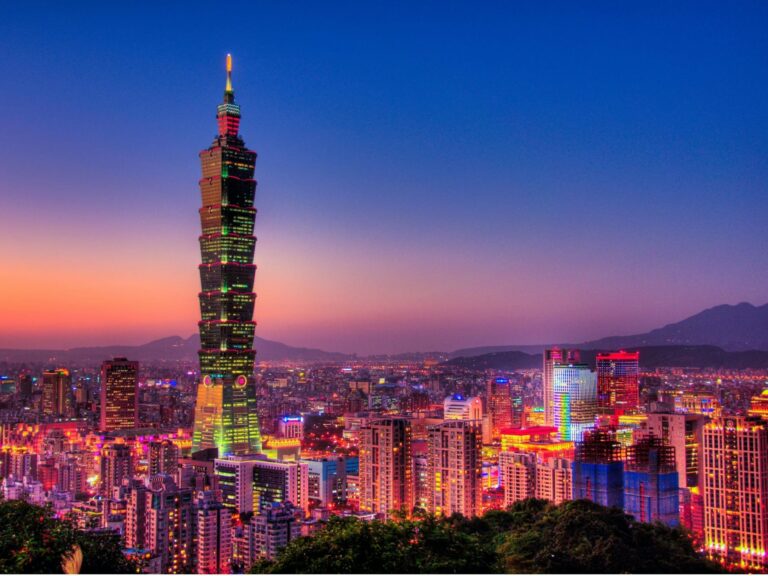
TAIPEI, TAIWAN – Night Markets, Hot Springs And Skyline Views
Two Or Three Days Of Street Food Scene, Hilltop Temples, Tea Districts And Urban Sanctuary StaysTaipei is one of Asia's most underrated city break destinations. It’s very friendly, efficient, and packed with experiences from towering modern landmarks to ancient temple districts, geothermal hot springs, and some of the finest street food on the continent. It is easy to navigate, offers outstanding value, and is rarely overcrowded.
Why Little Steps Loves It: Taipei moves at a pace that feels manageable for a short break. The MRT connects almost everything worth seeing. The food scene, from Shilin Night Market to Yongkang Street teahouses, is endlessly rewarding. The city's mix of Japanese colonial heritage, Taiwanese tradition, and contemporary design gives each neighborhood its own distinct character.
Who Is Taipei Perfect For? Food lovers, design-conscious travelers, and explorers looking for a city break with strong culture and minimal stress. It is an excellent choice for solo travelers, couples, and families with older children. Two nights cover the main highlights. Three opens up Beitou and the outer neighborhoods.
What Does A Taipei Itinerary Look Like? Day one: Taipei 101 for city views and the Xinyi district's boutiques and food stalls. Follow this with an evening at Shilin Night Market for oversized fried chicken, stinky tofu, taro desserts, and arcade energy in equal measure. Day two: a morning MRT ride to Beitou for mineral hot spring pools, the Beitou Hot Spring Museum, and a stroll through the geothermal park. Back in the city, hike Elephant Mountain for panoramic skyline views or explore the historic temples and shops of Dadaocheng. Day three: traditional tea tasting and artisan browsing on Yongkang Street, followed by an afternoon at Songshan Cultural and Creative Park for contemporary art and design exhibitions.
Where Should You Stay In Taipei? Kimpton Da An Hotel in the Da'an District is a well-designed urban retreat with plant-filled interiors, plush modern rooms, and a rooftop terrace that earns its keep after a full day of city exploration. Strong MRT access and a lively surrounding neighbourhood of local restaurants and independent shops make it an easy and comfortable base.
What Unique Experiences Can You Book In Taipei? A private tea ceremony and tasting session in one of Yongkang Street's specialist tea houses is one of Taipei's quietest and most rewarding cultural experiences, covering Taiwanese high-mountain oolongs, brewing techniques, and the ritual of gongfu cha. Also worth booking: a guided Dadaocheng heritage walk through the old merchant quarter; an early-morning temple visit to Longshan before the crowds; a traditional Taiwanese cooking class; or a day trip to Jiufen's gold-mining village and hillside teahouses for one of Taiwan's most photogenic excursions.
Kimpton Da An Hotel, No. 25號, Lane 27, Section 4, Ren'ai Rd, Da’an District, Taipei City, Taiwan 106, +886 2 2173 7999, reservations.daan@ihg.com, https://www.ihg.com/
-
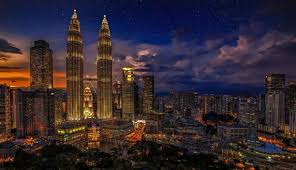
KUALA LUMPUR, MALAYSIA – Twin Towers, Hindu Cave Temples And Hawker Night Markets
Two Or Three Days Of Iconic Skylines, Street Food Lanes, Heritage And Design-Led StaysKuala Lumpur is a confident, multicultural city where glimmering towers, ancient Hindu temples, colonial mosques, and some of the region's best street food exist in harmony and within easy reach. It delivers excellent value, good connections, and a genuine friendly atmosphere.
Why Little Steps Loves It: KL's diversity is its defining quality. In a single day you can stand beneath the Petronas Twin Towers, climb the steps of a Hindu cave temple, drink kopi in a Chinatown kopitiam, and eat charcoal-grilled satay on a hawker street after dark. Few cities in Asia offer that range of experience in such a compact and navigable area.
Who Is Kuala Lumpur Perfect For? First-time Asia travelers, food lovers, culture-seekers, and families comfortable with a busy city. It is an easy entry point into Southeast Asia with strong English, reliable infrastructure, and a wide range of accommodation budgets. Two nights cover the essentials well; three allow a proper food day and time for cultural sites beyond the center.
What Does A Kuala Lumpur Itinerary Look Like? Day one: Petronas Twin Towers — book the Skybridge and observation deck in advance, followed by a stroll through KLCC Park and the Musical Fountain Show. Spend the afternoon at Batu Caves: the colorful staircase, Cathedral Cave, macaque monkeys, and the towering Lord Murugan statue at the entrance. Day two: explore the city's food scene, Jalan Alor at dusk for charcoal satay, mango sticky rice, and stir-fried noodles, then Petaling Street in Chinatown and the Central Market for souvenirs, local snacks, and authentic Malaysian coffee. Day three: KL Forest Eco Park canopy walkways or a rooftop cocktail at SkyBar with Twin Towers views. Enjoy a cultural afternoon at the Islamic Arts Museum or the colonial-era Jamek Mosque, followed by an evening in Chinatown's creative quarter at PS150 or Concubine.
Where Should You Stay In Kuala Lumpur? The Chow Kit is one of the city's most characterful properties — deep green velvet, timber floors, curated local art, and an authentic Malaysian menu built around local produce. It balances genuine luxury with neighborhood rootedness that most international chain hotels in KL lack.
What Unique Experiences Can You Book In Kuala Lumpur? A guided street food tour of Jalan Alor and the surrounding hawker lanes after dark is one of the city's most enjoyable introductions, covering the full range of Malay, Chinese, and Indian-Malaysian food culture in a single evening. Also worth booking: a private heritage walk through Merdeka Square and the colonial quarter with a local historian, a dawn visit to Batu Caves before the crowds arrive, a Malaysian cooking class focusing on roti canai and nasi lemak, or a day trip to the Batu Caves firefly sanctuary along the Selangor River for one of Malaysia's most magical natural experiences.
The Chow Kit, 1012 Jalan Sultan Ismail, Chow Kit, Kuala Lumpur, Malaysia, +603 2778 6666, hello@thechowkit.com, https://www.thechowkit.com/
-
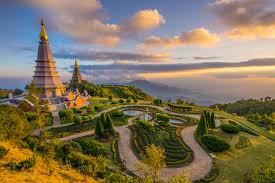
CHIANG MAI, THAILAND – Lanna Temples, Hilltop Stupas And Ethical Elephant Sanctuaries
Two Or Three Days Of Old City Temple Trails, Khao Soi, Doi Suthep And Heritage Teakwood LuxuryChiang Mai is a relatively small northern Thai city where age-old Lanna temple culture, excellent food, accessible nature, and a thriving creative scene converge. It is noticeably slower paced than Bangkok and all the better for it.
Why Little Steps Loves It: Chiang Mai rewards a pace most city breaks don't allow. Mornings in the Old City move gently between temple courtyards and coffee shops. Afternoons stretch to hilltop stupas and waterfall walks. Evenings settle into night markets and delicious khao soi. The elephant sanctuary visit alone justifies the trip and the boutique accommodation scene here is among the best value in Asia.
Who Is Chiang Mai Perfect For? Culture and nature lovers, mindful travelers, families with children of all ages, and anyone looking for a city break with genuine breathing space, countryside and mountains. It is an excellent complement to Bangkok for a combined Thailand itinerary. Two nights is workable; three is the sweet spot, especially if the Elephant Nature Park is on the list.
What Does A Chiang Mai Itinerary Look Like? Day one: the Old City's temple circuit, Wat Phra Singh, Wat Chedi Luang, and Wat Chiang Man for Lanna architecture at its finest, followed by a bowl of khao soi for lunch (non-negotiable), a browse through local markets, and an optional monk chat for insight into contemporary Buddhist practice. Day two: Doi Suthep in the morning, either the naga-flanked staircase or the funicular to the golden stupa and valley views. In the afternoon, visit Nimmanhaemin Road for designer cafés, galleries, and boutique shopping, or Huay Kaew Waterfall for a quick nature fix close to the city. Day three: a half-day visit to Elephant Nature Park, the acclaimed rescue and rehabilitation reserve where visitors feed and observe elephants in an ethical, no-riding environment.
Where Should You Stay In Chiang Mai? 137 Pillars House is one of northern Thailand's finest boutique addresses, a restored teakwood manor with lush gardens, elegant colonial suites, and a tranquil pool. Refined service, heritage architecture, and a setting which feels completely removed from the city while remaining close to everything make it an exceptional base for exploring.
What Unique Experiences Can You Book In Chiang Mai? A private Lanna cooking class, covering khao soi, northern-style larb, and sai oua sausage, in a traditional teak house kitchen is one of the city's most rewarding hands-on experiences. Also worth booking: a dawn almsgiving ceremony with a local guide for cultural context, a guided night bazaar and street food walk through the Sunday or Saturday Walking Street, a private Doi Inthanon National Park excursion to Thailand's highest peak, or a traditional Thai massage course at one of the Old City's respected training schools.
137 Pillars House, 2 Soi 1, Nawatgate Road, Tambon Watgate, Muang Chiang Mai, Thailand, +66 (0) 53 249 339, stay@137pillarshouse.com, https://137pillarshotels.com/chiangmai/
-
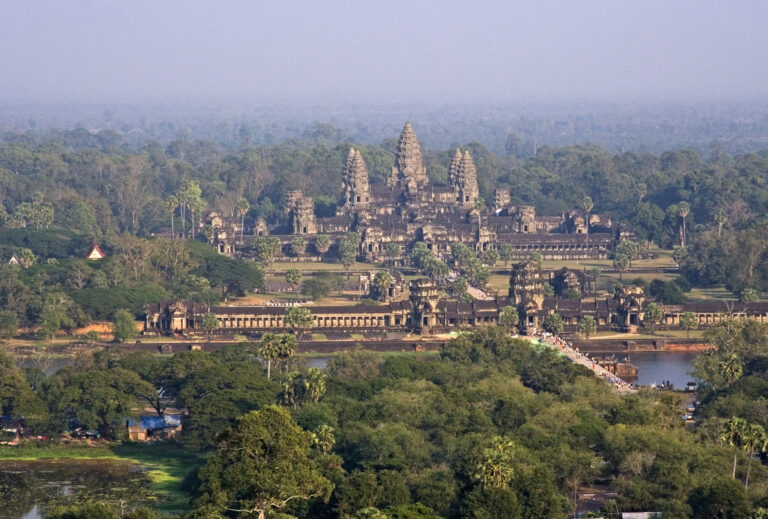
SIEM REAP, CAMBODIA – Angkor Temples, Khmer Crafts And Riverside Boutique Stays
Two Or Three Days Of Sunrise Temple Visits, Floating Villages, Night Markets And Sustainable LuxurySiem Reap is one of Asia's most extraordinary city break destinations, a relaxed, walkable town that affords you a great base to Angkor, one of the world's greatest archaeological complexes. Beyond the temples, a thriving craft scene, excellent Khmer cuisine, and some of Southeast Asia's most thoughtfully designed boutique hotels make it worth staying longer than a single day.
Why Little Steps Loves It: Angkor Wat at sunrise is a genuinely life-changing experience, but Siem Reap earns its place on the itinerary far beyond the temples too. The riverside café scene, the Artisans Angkor workshops, and easy half-day trips to Tonlé Sap's floating villages give the destination real depth. With boutique hotels of Jaya House's calibre available at accessible price points, it over-delivers on the luxury-to-cost ratio.
Who Is Siem Reap Perfect For? History and archaeology enthusiasts, culturally curious travelers, and families with children old enough to appreciate ancient sites. Also a strong pick for travelers seeking a slower, more reflective city break with high-quality accommodation and food. Two nights' work; three allow for the outlying temples and a Tonlé Sap excursion without feeling rushed.
What Does A Siem Reap Itinerary Look Like? Day one: pre-dawn departure for Angkor Wat sunrise. Morning light on the stone carvings and reflecting pools is unmissable. Then visit Bayon Temple's enigmatic carved faces and Ta Prohm's tree-root-swallowed ruins. Enjoy a leisurely riverside lunch back in town, followed by an afternoon at the Old Market for Khmer silks and souvenirs or Artisans Angkor to watch traditional handicraft techniques demonstrated live. Pub Street after dark offers amok curry, cocktails, live music, and street food. Day two: visit outlying temples such as Banteay Srei for its intricately carved pink sandstone or Beng Mealea for a wilder, less-visited jungle ruin experience. Alternatively, take a half-day trip to Tonlé Sap's floating villages for a glimpse of rural life on Southeast Asia's largest freshwater lake. Spend pool time in the afternoon before returning to Pub Street in the evening.
Where Should You Stay In Siem Reap? Jaya House River Park is one of the region's outstanding boutique properties. It is sustainably run, locally inspired in its design, and set in a lush riverside garden. Spacious suites, excellent Cambodian cuisine, complimentary tuk-tuk rides into town, daily spa treatments, and included airport transfers make it exceptional value and a genuine retreat after long temple days.
What Unique Experiences Can You Book In Siem Reap? A private sunrise Angkor Wat tour with a specialist guide, covering the temple's astronomical alignment, its Hindu and Buddhist history, and the quieter corners most visitors miss, is the single best investment you can make in Siem Reap. Also worth booking: a traditional Khmer cooking class using local market ingredients, a private cyclo or tuk-tuk tour of the lesser-visited outer temples, a sunset boat trip on Tonlé Sap Lake, or a silk weaving workshop at Artisans Angkor for a hands-on introduction to Cambodia's most celebrated craft tradition.
Jaya House River Park, River Road, Treang Village, Slor Kram Commune, Siem Reap, Cambodia, +855 639 62 555, info@jayahouseriverpark.com, https://www.jayahouseriverparksiemreap.com/
-
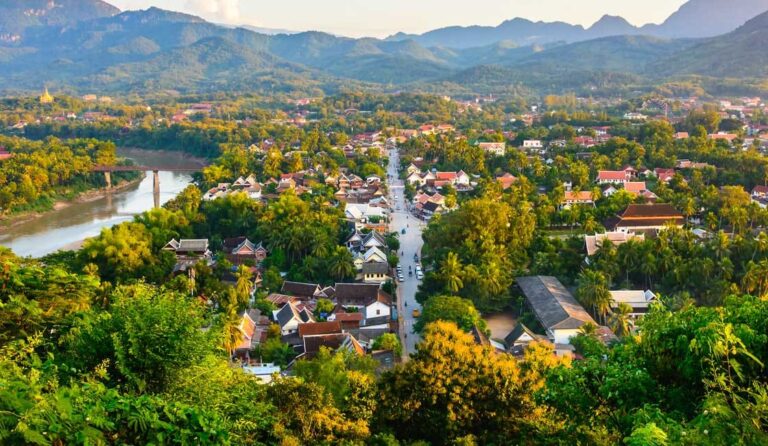
LUANG PRABANG, LAOS – Saffron-Robed Monks, Turquoise Waterfalls And Colonial Heritage Stays
Two Or Three Days Of Alms-Giving Ceremonies, UNESCO Old Town, Kuang Si Falls And Boutique Garden RetreatsLuang Prabang is a small, UNESCO-listed former royal capital where Buddhist ritual, French colonial architecture, and natural charm exist together. It slows you down within hours of arriving, and most travelers wish they had stayed longer.
Why Little Steps Loves It: Luang Prabang operates at its own speed. The early-morning almsgiving ceremony sets the mood for days that flow gently through temple courtyards, along river walks, through craft workshops, and past waterfalls. There is no need to rush, and the city's compact size means even a two-night stay feels immersive rather than hurried.
Who Is Luang Prabang Perfect For? Travelers wanting a contemplative, unhurried break with strong culture. It is an excellent choice for couples, solo travelers, and anyone wanting natural beauty alongside heritage without the crowds of larger Southeast Asian destinations. Two nights provide a solid introduction; three are recommended to include Kuang Si Falls without sacrificing time in the old town.
What Does A Luang Prabang Itinerary Look Like? Day one: pre-dawn for the tak bat alms-giving ritual — monks in saffron moving silently through old town streets as locals offer sticky rice — then a morning in the UNESCO-listed old town, visiting Wat Xiengthong and the Royal Palace Museum. Evening at the night market for colorful textiles and street food along the main road. Day two: a half-day excursion to Kuang Si Falls, multi-tiered turquoise pools in dense forest, ideal for swimming and photography, with a stop at the adjacent Bear Rescue Centre sheltering sun and moon bears rescued from the wildlife trade. Return to town for a riverside stroll or a spa afternoon. Day three (if time allows): a weaving workshop at Ock Pop Tok Living Crafts Centre or the climb up Phousi Hill for panoramic sunset views over the confluence of the Mekong and Nam Khan rivers.
Where Should You Stay In Luang Prabang? Satri House is one of the city's most atmospheric boutique properties, a converted colonial-era residence set among tropical gardens near the old town center. Antique-furnished rooms with private balconies, a lush pool, peaceful spa, and attentive service make it a wonderful escape after pre-dawn ceremonies and waterfall hikes.
What Unique Experiences Can You Book In Luang Prabang? A private tak bat experience with a local cultural guide, explaining the ritual's significance, correct etiquette for observers, and the role of the sangha in Lao daily life, is far more rewarding than joining the unguided tourist crowd. Also worth booking: a traditional Lao cooking class using morning market ingredients, a private longtail boat trip along the Mekong to the Pak Ou caves and their thousands of Buddha statues, a half-day silk weaving workshop at Ock Pop Tok, or a sunset cocktail cruise on the Mekong as the light fades over the mountains.
Satri House, Luang Prabang, Laos, +856 71 253 491, info@satrihouse.com, https://satrihouse.com/
-
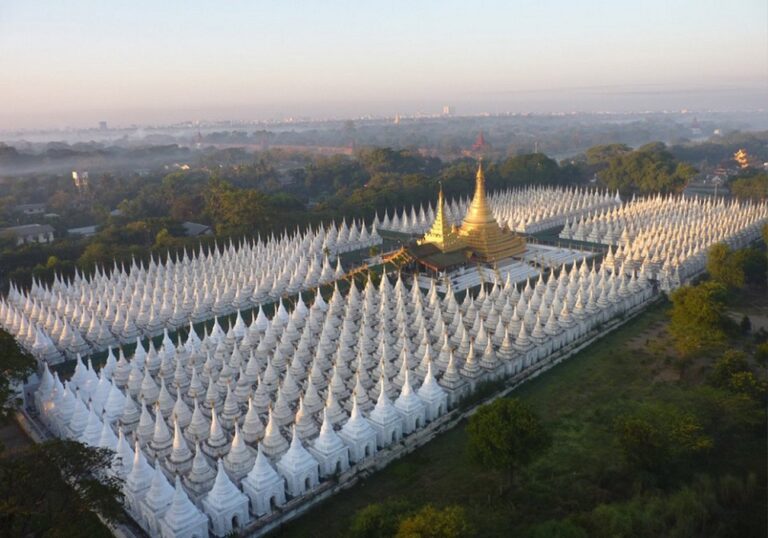
MANDALAY, MYANMAR – Sacred Hilltops, Royal Palaces And The World's Longest Teak Bridge
Two Or Three Days Of Pagoda Trails, Dynastic History, Golden-Hour Photography And Boutique Monastery-Inspired StaysMandalay is Myanmar's cultural capital, a city of genuine historical importance where royal palaces, sacred hilltops, and one of Asia's most photographed bridges are close to each other. It is less visited than Yangon and more rewarding because of it.
Why Little Steps Loves It: Mandalay offers an unmediated cultural experience that is increasingly rare in the region. The U Bein Bridge at golden hour, monks crossing Kuthodaw's marble stupa grounds at dusk, and the panoramic views from Mandalay Hill at sunrise are unforgettable. The city is compact, navigable, and complements a broader Myanmar itinerary well.
Who Is Mandalay Perfect For? History and culture fans, photographers, and travelers seeking an authentic Southeast Asian city with minimal tourist infrastructure. It suits independent travelers and couples comfortable with a less-developed destination. Two nights cover the key sites; three allow day trips to Inwa or Sagaing without rushing.
What Does A Mandalay Itinerary Look Like? Day one: Mandalay Hill at sunrise. The stairway lined with pagodas and shrines leads to panoramic views over the city and the Ayeyarwady River. The summit pagoda offers a quiet start to the day. In the afternoon, visit the Royal Palace, a walled complex with ornate wooden gates, royal halls, soaring watchtowers, and quiet courtyards. Nearby, Kuthodaw Pagoda's forest of marble slabs inscribed with Buddhist scripture is one of the city's most unusual and impressive sites. Day two: travel to Amarapura in the late afternoon for U Bein Bridge at golden hour. This 1.2-kilometre teak crossing features fishermen, monks, and silhouettes against a flaming sky. Arrive early and consider hiring a small boat for river-level views as the light changes.
Where Should You Stay In Mandalay? Hotel by the Red Canal is one of the city's most distinctive boutique addresses. This 26-room property is inspired by traditional Burmese monastery architecture and features teak furniture, lush gardens, and a pool. Ayurvedic spa treatments and a restaurant blending Burmese and Indian cuisine complete a stay that is quiet, well-considered, and markedly different from standard hotel options in the city.
What Unique Experiences Can You Book In Mandalay? A private morning visit to a traditional Burmese lacquerware workshop, Mandalay is one of the country's main centers for the craft, with a guided demonstration of the multi-layer painting and carving process is one of the city's most distinctive cultural experiences. Also worth booking: a private guided tour of the Royal Palace with historical background beyond the standard visit, a sunrise boat trip on the Ayeyarwady River, a day trip to the abandoned royal capitals of Inwa and Sagaing by horse cart and foot bridge, or an evening cooking class focused on Burmese curries and mohinga, the country's national noodle soup.
Hotel by the Red Canal, 417, Corner of 63rd & 22nd Road, Mandalay, Aung Myae, Tha Zan Township, Myanmar, +95 2 4061 177, info@hotelredcanal.com, https://www.hotelredcanal.com/
-

BEIJING, CHINA – The Forbidden City, Great Wall Hikes And Hutong Back Lanes
Two Or Three Days Of Imperial Palaces, Ancient Watchtowers, Peking Duck And Modern Art Hotel StaysBeijing is one of Asia's great city break destinations, a capital of genuine imperial scale where the Forbidden City, the Great Wall, and centuries-old hutong neighborhoods sit alongside a thriving contemporary art and dining scene. It is demanding in the best sense and endlessly rewarding.
Why Little Steps Loves It: Few cities carry this historical significance so visibly. Walking the Great Wall's stone watchtowers in the morning and eating Peking duck in a hutong courtyard that evening is the contrast that makes Beijing one of the most satisfying city breaks! The contemporary art scene, particularly around the 798 Art District, adds a dimension that surprises most first-time visitors.
Who Is Beijing Perfect For? History fans, architecture lovers, food-focused travelers, and anyone drawn to cities with genuine cultural gravity. It works well for couples, solo travelers, and families with older children. Two nights cover the essential imperial sites; three open up the Great Wall and hutong exploration fully.
What Does A Beijing Itinerary Look Like? Day one: the Forbidden City, vast courtyards, gilded pagodas, and five centuries of dynastic history at the heart of the capital, paired with Tiananmen Square and Jingshan Park for panoramic rooftop views over the palace complex. Evening: Peking duck at a well-regarded local restaurant, followed by Beijing opera or traditional folk music. Day two: Mutianyu section of the Great Wall, cable car options and less-crowded stretches make it easy for all levels. The stone watchtowers and ridge views justify every step. Spend the afternoon at the Summer Palace's lakes and gardens or the Temple of Heaven's tranquil courtyards. Day three: the hutong neighborhoods, Nanluoguxiang is the most unique entry point, with courtyard homes, indie galleries, craft shops, teahouses, and local food vendors spilling into lantern-lit lanes at dusk.
Where Should You Stay In Beijing? Hotel Éclat Beijing in the CBD is one of the city's most distinctive luxury addresses. It is suspended above Parkview Green's design complex, with museum-quality art throughout, private sky terraces, and discreet five-star service. It is a strong base for travellers who want proximity to restaurants, galleries, and shops alongside easy access to the imperial sites.
What Unique Experiences Can You Book In Beijing? A private Great Wall hike on a less-visited section — Jinshanling or Jiankou rather than the standard tourist stretches, with a specialist guide covering the wall's engineering history and strategic design is one of Beijing's most memorable experiences. Also worth booking: a private hutong tour by rickshaw with a courtyard home visit and tea ceremony, an early morning Forbidden City visit before the crowds, a Peking duck masterclass at a traditional restaurant kitchen, or an evening guided tour of the 798 Art District's galleries and studios for an entirely different side of the capital.
Hotel Éclat Beijing, No. 9, DongDaQiao Road, Chaoyang District, Beijing, China, +86 10 8561 2888, beijing@eclathotels.com, https://www.eclathotels.com/beijing/
-
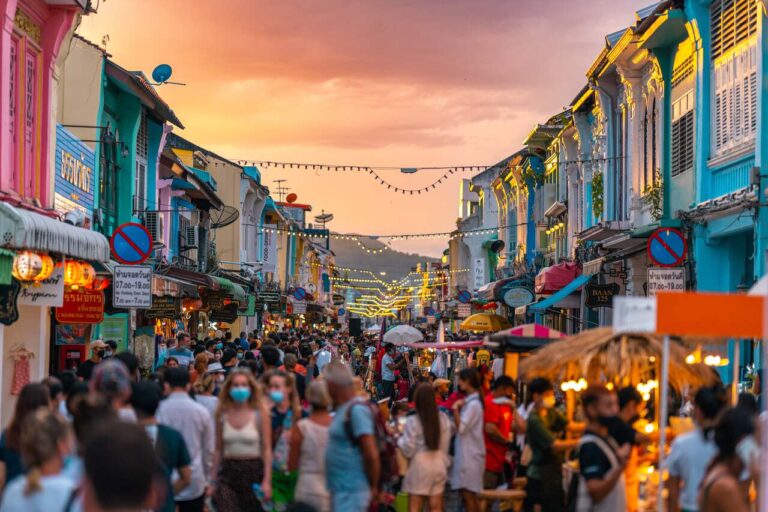
PHUKET, THAILAND – Sino-Portuguese Heritage, Ethical Elephant Encounters And Coastal Adventures
Two Or Three Days Of Old Town Exploration, Island Waters, Wellness Retreats And Boutique Lakeside StaysPhuket offers far more than its beach resort reputation suggests. Thailand's largest island combines a characterful heritage town, accessible jungle and wildlife experiences, outstanding coastal waters, and a rapidly growing wellness and sports scene. All are within a compact, easily navigable destination that rewards a proper city break itinerary.
Why Little Steps Loves It: Old Phuket Town alone is worth the trip, Sino-Portuguese shophouse architecture, serious street art, and an indie café scene that rivals anywhere in the region. Add a truly ethical elephant sanctuary, Nai Harn's turquoise waters, and a wellness retreat of Chivitr's calibre. Phuket quickly becomes one of the most varied short breaks in Southeast Asia.
Who Is Phuket Perfect For? Couples, solo travelers, and small groups seeking a destination that balances culture, nature, coastal adventure, and genuine relaxation. An excellent choice for wellness-focused travelers and animal advocates. Two nights cover the essentials; three allow a full day on the coast and on the islands without cutting the town short.
What Does A Phuket Itinerary Look Like? Day one: Old Phuket Town on foot, Thalang Road's Sino-Portuguese shophouses, street art, indie cafés, and quirky boutiques. Follow this with an evening at Chillva or Indy Night Market for local food and atmosphere. Day two: Hidden Forest Elephant Reserve for an ethical, no-riding encounter with rescued elephants in a natural forested setting. Guided tours cover conservation context and allow feeding and close observation at a respectful distance. Day three: the water, Nai Harn Beach for swimming and sunbathing in some of Phuket's clearest seas. Options include snorkeling, paddleboarding, kayaking into hidden coves, or a longer catamaran excursion around Phang Nga Bay's karst islets.
Where Should You Stay In Phuket? Chivitr at Nai Harn is one of the island's most distinctive boutique addresses. It is a holistic wellness retreat overlooking Nai Harn Lake, with elegant Chino-European interiors, lush gardens, magnesium plunge pools, yoga pavilions, and cuisine from the retreat's own organic gardens. Personalized wellness programs, morning meditation walks, and direct access to Nai Harn Beach make it a strong base for active exploration and genuine restoration.
What Unique Experiences Can You Book In Phuket? A private guided heritage walk through Old Phuket Town with a local historian, covering Baba-Nyonya Peranakan culture, the tin-mining era, and the stories behind the shophouse architecture, is one of the island's most underrated experiences. Also worth booking: a sunrise yoga session and spa treatment at Chivitr, a private snorkeling or diving excursion to the Similan Islands, a Thai cooking class in a heritage shophouse kitchen in the Old Town, or a guided kayak tour through the sea caves and mangroves of Phang Nga Bay.
Chivitr, 14/106 Moo 1, Rawai, Muang, Phuket, 83130, Thailand, +66 (0) 76 388 838, info@chivitr.com, https://www.chivitr.com/
-
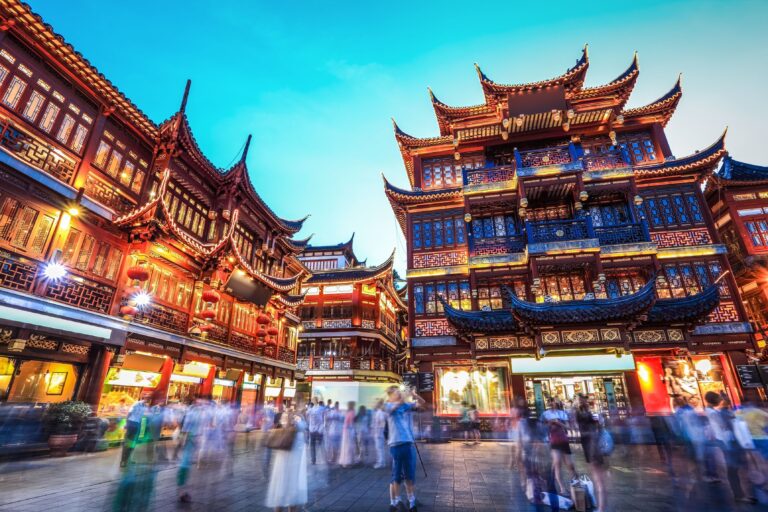
SHANGHAI, CHINA – Art Deco Bund, Classical Gardens And French Concession Cool
Two Or Three Days Of Waterfront Walks, Ming Dynasty Gardens, Creative Districts And Boutique Jing'an StaysShanghai is one of Asia's most visually arresting destinations. Ming Dynasty garden courtyards, Art Deco riverside facades, and some of the world's most dramatic contemporary towers share the same skyline. Fast, stylish, and endlessly watchable.
Why Little Steps Loves It: The Bund around dawn and after dark are two entirely different experiences, and both are worth having. In between, Shanghai offers a city break of genuine variety, classical gardens, creative concession districts, destination dining, and a nightlife scene that runs past midnight. Few cities reward a short stay as efficiently.
Who Is Shanghai Perfect For? Design-conscious travelers, food lovers, architecture enthusiasts, and anyone drawn to a city operating at full speed. It works equally well for couples, solo travelers, and business travelers extending a trip. Two nights cover the essentials; three open up Pudong, the French Concession, and a more relaxed pace.
What Does A Shanghai Itinerary Look Like? Day one: an early morning walk along The Bund to catch the Art Deco facades in soft light before the crowds arrive. Then Nanjing Road for flagship stores, cafés, and the city's commercial energy. Afternoon at Yu Garden, Ming Dynasty pavilions, arched bridges, ornamental ponds, and sculptural rockeries, followed by tea and street food in the adjacent Yu Bazaar and City God Temple area. Evening back on The Bund for the Pudong skyline light show and an optional river cruise. Day two: the French Concession for tree-lined streets, independent boutiques, and café culture, plus Xintiandi's restored shikumen alleyways for lunch and browsing. Afternoon in Pudong for panoramic city views from the Oriental Pearl Tower or Shanghai Tower's sky deck.
Where Should You Stay In Shanghai? The Middle House in Jing'an is one of Little Steps' favorite Shanghai addresses. It features Italian designer interiors with subtle eastern accents, spacious rooms, a tranquil indoor pool, and destination dining that holds its own. It is ideally placed for heritage walks, French Concession exploration, plus late-night city adventures in equal measure.
What Unique Experiences Can You Book In Shanghai? A private Art Deco architecture tour of The Bund and the former International Settlement with a specialist guide, covering the colonial history, the building stories, and the city's transformation, is one of Shanghai's most rewarding cultural experiences. Also worth booking: an early morning tai chi session in Fuxing Park with a local instructor, a private dumpling and xiaolongbao cooking class in a French Concession kitchen, an organized gallery tour of M50 Creative Park's contemporary Chinese art studios, or a sunset river cruise along the Huangpu with views of both the Bund and Pudong in a single sweep.
The Upper House, No. 366 Shi Men Yi Road, Jing’an District, Shanghai, China, +86 21 3216 8199, reservations@themiddlehousehotel.com, https://www.thehousecollective.com/en/the-middle-house/
-
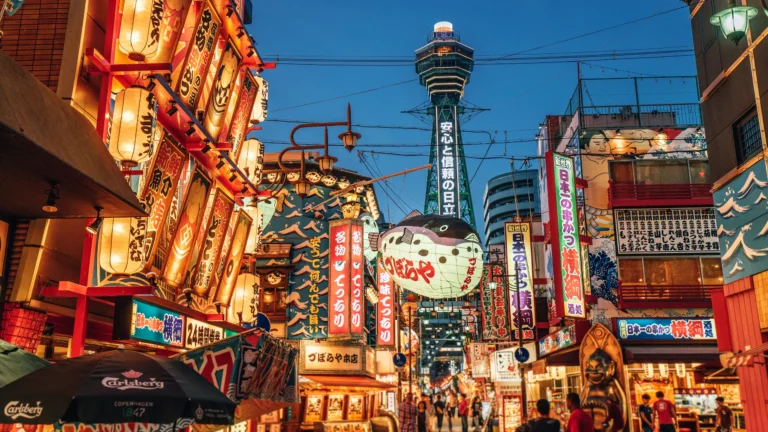
OSAKA, JAPAN – Dotonbori Street Food, Castle Gardens And Retro Shinsekai Nights
Two Or Three Days Of Culinary Immersion, Feudal Fortresses, Theme Park Thrills And Design-Led Dojimahama StaysOsaka is Japan's most unguardedly fun city break and is far louder and less formal than Tokyo, defined by an extraordinary food culture, a genuine sense of neighborhood character, and a population that takes pride in enjoying itself. Easy to navigate, easy to love, and easy to overeat in.
Why Little Steps Loves It: Osaka earns its reputation as Japan's culinary capital at quite literally every turn, from Dotonbori's neon-lit takoyaki stalls to Michelin-starred kitchens in Dojimahama. The city's layered personality makes it a rewarding short break: Osaka Castle's serene gardens, Nakazakicho's retro backstreets, and Shinsekai's old-school izakaya energy are all within easy reach and genuinely distinct.
Who Is Osaka Perfect For? Food lovers, pop culture fans, families with children of all ages, and travelers who want Japan's highlights in a more relaxed register than Tokyo. Universal Studios Japan makes it a strong pick for families. Two nights cover the essentials; three allow a day at USJ without sacrificing city time.
What Does An Osaka Itinerary Look Like? Day one: Dotonbori at any hour, neon signs, canal views, the Glico Running Man, takoyaki, okonomiyaki, and grilled skewers from street stalls, then the covered shopping arcades for local treats and browsing. Osaka Castle in the morning for the reconstructed fortress, museum exhibits, observation deck views, and peaceful castle park walks. Afternoon in Nakazakicho's retro backstreets or Hozen-ji Temple for a quieter counterpoint. Day two: Universal Studios Japan for a full day, the Wizarding World of Harry Potter and Super Nintendo World are the headline draws even for grown-up kids. Evening in Shinsekai for retro izakaya fare, game arcades, and city lights under Tsutenkaku Tower.
Where Should You Stay In Osaka? Zentis Osaka in Dojimahama is one of the city's most considered boutique addresses, perfectly curated industrial design, spacious rooms with onsen-style baths, and an on-site restaurant overseen by a Michelin-starred chef. The easygoing atmosphere and friendly service make it a strong base for food adventures and urban sightseeing.
What Unique Experiences Can You Book In Osaka? A private street food tour of Dotonbori and Kuromon Ichiba Market with a local guide, covering the history of kuidaore (Osaka's eat-till-you-drop culture), the best stalls for each dish, and the market vendors who supply the city's restaurants, is one of the most enjoyable ways to spend a first morning. Also worth booking: an early morning visit to Osaka Castle before the crowds, a private takoyaki or okonomiyaki cooking class in a local kitchen, a sake tasting at a historic Nada brewery, or a half-day excursion to Nara for the free-roaming deer and Todai-ji's enormous bronze Buddha, less than an hour from the city by train.
Zentis Osaka, 1-4-26 Dojimahama, Kita-ku, Osaka, Japan, +81 6 4796 0111, reservations.osaka@zentishotels.com, https://zentishotels.com/ja/osaka/
-
KATHMANDU, NEPAL – Ancient Durbar Squares, Hilltop Stupas And Living Goddess Temples
Two Or Three Days Of Sacred Courtyards, Thamel Markets, Valley Views And Heritage Woodwork StaysKathmandu is one of Asia's most spiritually charged cities and a valley capital where UNESCO-listed palace squares, Buddhist stupas, and Hindu temple courtyards exist as active centers of daily ritual and worship. Chaotic, compelling, and unlike anywhere else.
Why Little Steps Loves It: Kathmandu rewards curiosity at every turn. The carved wooden balconies of Durbar Square, prayer flags snapping over Swayambhunath at daybreak, and momo steam rising from a rooftop kitchen in Thamel at dusk are memorable experiences. The city asks you to slow down and pay attention and consistently delivers when you do.
Who Is Kathmandu Perfect For? Culture lovers, spiritual travelers, trekking base-campers, and anyone drawn to cities with deep history and an unfiltered local atmosphere. It works well for solo travelers, couples, and small groups. Two nights cover the main sites; three allow proper exploration of Thamel and the Garden of Dreams, plus an optional half-day in Bhaktapur or Patan.
What Does A Kathmandu Itinerary Look Like? Day one: Visit Kathmandu Durbar Square for Hanuman Dhoka Palace, Kumari Ghar (home of the city's living goddess), ornately carved wooden pagodas, and temple courtyard rituals that continue day and night. Spend the afternoon in Thamel exploring alleyway markets for Tibetan crafts and trekking gear, rooftop restaurants for momos and dal bhat, and the neoclassical Garden of Dreams as a quiet alternative to the street-level energy. Day two: Experience Swayambhunath at sunrise with the Monkey Temple's golden stupa, spinning prayer wheels, fluttering flags, and panoramic views over the Kathmandu Valley from the hilltop. The afternoon is free for a traditional music performance, more Thamel browsing, or an optional excursion to the medieval city of Bhaktapur or Patan's equally impressive Durbar Square.
Where Should You Stay In Kathmandu? Dwarika's Hotel is built from salvaged temple woodwork and antique brick rescued from Kathmandu's demolition sites over decades. Spacious rooms, lush gardens, a pool, and authentic Nepali cuisine served in a courtyard or elegant dining room make it an extremely restorative base after days tracing the city's history.
What Unique Experiences Can You Book In Kathmandu? A private guided tour of Durbar Square with a local historian, covering the stories behind the living goddess tradition, the Newari architectural techniques, and the impact of the 2015 earthquake on restoration efforts adds depth to your temple visit. Also worth booking: a sunrise rickshaw ride to Pashupatinath Temple for the morning Aarti ceremony on the banks of the Bagmati River, a private Newari cooking class including dishes rarely found on tourist menus, a meditation session at one of the valley's Buddhist monasteries, or a stunning mountain flight for Himalayan views without the trek.
Dwarika’s Hotel, Battisputali, Kathmandu, Nepal, +977 1 4579 488, info@dwarikas.com, https://www.dwarikas.com/
-
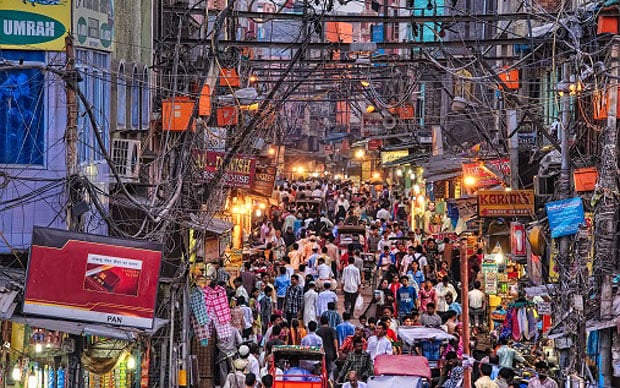
DELHI, INDIA – Mughal Ramparts, Chandni Chowk Spice Lanes And Dawn Mosque Views
Two Or Three Days Of Imperial Monuments, Bazaar Immersion, Street Food Discovery And Garden Boutique StaysDelhi is without question historical. The sprawling capital where Mughal forts, Lodhi-era tombs, and medieval mosques sit alongside spice markets, art galleries, and some of the subcontinent's finest restaurants. Overwhelming at first, but endlessly rewarding once you find your feet.
Why Little Steps Loves It: Delhi doesn't ease you in gently, and that's what makes it so exciting! The Red Fort at opening hour, a rickshaw through Chandni Chowk at mid-morning, and the sudden quiet of Humayun's Tomb gardens shortly after, that sequence alone tells you why this city gets under your skin. Nowhere else in Asia packs this density of monuments, markets, and meals into a comparable area.
Who Is Delhi Perfect For? History buffs, food-driven travelers, and anyone who wants a city which tests as much as it rewards. Best suited to travelers comfortable with sensory intensity and urban unpredictability. Two nights cover the imperial highlights; three include Old Delhi's street food scene and a more considered afternoon at a museum or gallery.
What Does A Delhi Itinerary Look Like? Day one: the Red Fort for its sandstone ramparts, arched halls, and marble screen interiors. Then a rickshaw into the controlled chaos of Chandni Chowk, spice stalls, sweet shops, sari emporiums, and lane after lane of trade running continuously for centuries. Afternoon at Humayun's Tomb, the domed Mughal masterpiece set in formal gardens that influenced the Taj Mahal's design, followed by a quiet walk through the Lodhi Gardens. Day two: Jama Masjid at sunrise for misty minaret views over Old Delhi, then a street food tour covering paratha, jalebi, and the city's lesser-known breakfast specialties. Afternoon at the National Museum or a Connaught Place gallery, evening at a rooftop bar watching the monuments illuminate against the city's chaotic, beautiful skyline.
Where Should You Stay In Delhi? The Manor Delhi is a well-regarded boutique address tucked into a leafy residential neighbourhood with chic minimalist rooms, a beautiful garden setting, and personal service that larger Delhi hotels rarely manage. A calm, considered retreat that makes the city's intensity feel slightly more manageable.
What Unique Experiences Can You Book In Delhi? A private Old Delhi street food walk in the early morning, beginning at the wholesale spice market at Khari Baoli before the day's heat sets in, moving through Chandni Chowk's breakfast lanes for paratha at Paranthe Wali Gali and chai from a century-old stall is one of the most vivid urban food experiences in he region. Also worth booking: a private guided tour of Humayun's Tomb and Lodhi Garden's lesser-known monuments with an architectural historian, a rickshaw ride through the mohallas of Shahjahanabad with a heritage storyteller, an evening Kathak performance at one of the city's cultural centres, or a gallery tour of Delhi's contemporary art scene in the Mehrauli and Lado Sarai districts.
The Manor Delhi, 77 Friends Colony West, New Delhi, India, +91 11 4130 7777, info@themanordelhi.com, https://www.themanordelhi.com/
-
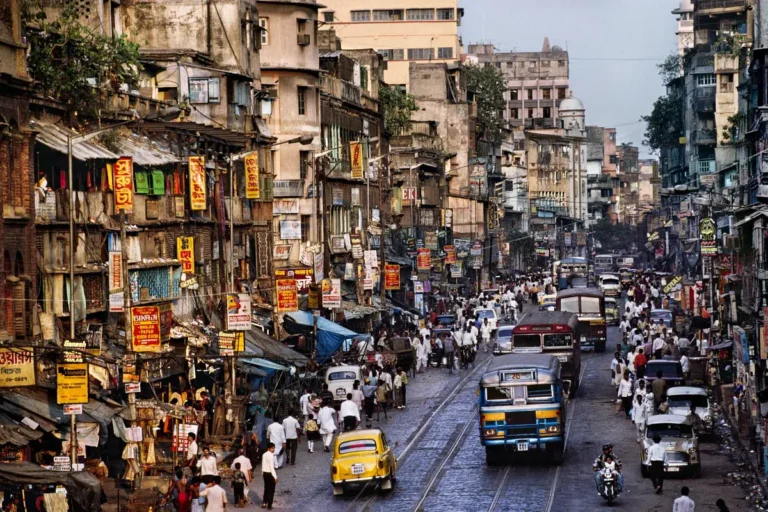
KOLKATA, INDIA – Colonial Grandeur, Flower Markets And Bengali Street Food Culture
Two Or Three Days Of Victoria Memorial, Howrah Bridge, Book Lane Cafés And Zamindar Mansion StaysKolkata is a former imperial capital with crumbling colonial architecture, a legendary literary and artistic tradition, and a street-food culture inspiring devotion usually reserved for much larger cities. Intense, generous, and ferociously human.
Why Little Steps Loves It: Kolkata asks more of its visitors than most Indian cities and gives back two fold. The flower market beneath Howrah Bridge at first light, the measured confusion of a tram ride through the old city, and a plate of kosha mangsho in a neighborhood restaurant with an unchanged menu for forty years are experiences that define what travel should feel like.
Who Is Kolkata Perfect For? Culturally curious travelers, food lovers, history fans, and anyone drawn to cities with true intellectual and artistic character. It suits solo travelers and couples pursuing the depth and vibrancy of the city. Two nights cover the colonial and market highlights. Three reveal North Kolkata's faded mansions and a proper Bengali food day.
What Does A Kolkata Itinerary Look Like? Day one: Victoria Memorial at opening, white marble domes, manicured grounds, British-era galleries, and banyan-shaded lawns where locals picnic in the morning. Then a tram ride through the old city, slow, nostalgic, and one of India's last functioning tram networks. Next, walk across Howrah Bridge through morning crowds down to the flower market where marigold garlands and lotus blooms arrive by the basketful. Spend the afternoon on College Street exploring legendary secondhand book stalls and take a break at the historic Indian Coffee House, a haunt of poets and political thinkers for over a century. Day two: visit North Kolkata's faded zamindar mansions and lane-side temples or Prinsep Ghat at sunset for a river boat ride on the Hooghly. Food throughout includes kathi rolls from a street cart, kosha mangsho with luchi at a neighborhood restaurant, and mishti doi to finish.
Where Should You Stay In Kolkata? Raajkutir IHCL Selections in North Kolkata is one of the city's most immersive boutique addresses, a hotel that channels a 19th-century zamindar's mansion through vintage-inspired rooms, lush courtyards, and fine Bengali cuisine in a heritage-inflected setting. Its location in the old north puts guests closer to Kolkata's most characterful neighborhoods.
What Unique Experiences Can You Book In Kolkata? A pre-dawn visit to the Mullick Ghat flower market with a local guide, arriving before 6 am when the marigold and lotus trade is at full volume, is one of the most viscerally memorable experiences in any Indian city. Also worth booking: a guided Bengali food tour through Gariahat or Park Street covering kosha mangsho, mishti, and the city's celebrated Anglo-Indian dishes, a private heritage walk through the mansions of Shyambazar and Sovabazar with an architectural historian, an evening Rabindra Sangeet performance at Rabindra Sadan, or a private cooking class focused on classic Bengali home cooking rarely found on restaurant menus.
Raajkutir IHCL Seleqtions, 89C, Maulana Abul Kalam Azad Sarani, Phool Bagan, Kankurgachi, Kolkata, West Bengal, India, +91 33 4084 4848, book.raajkutir@seleqtionshotels.com, https://www.seleqtionshotels.com/en-in/hotels/raajkutir-kolkata
-
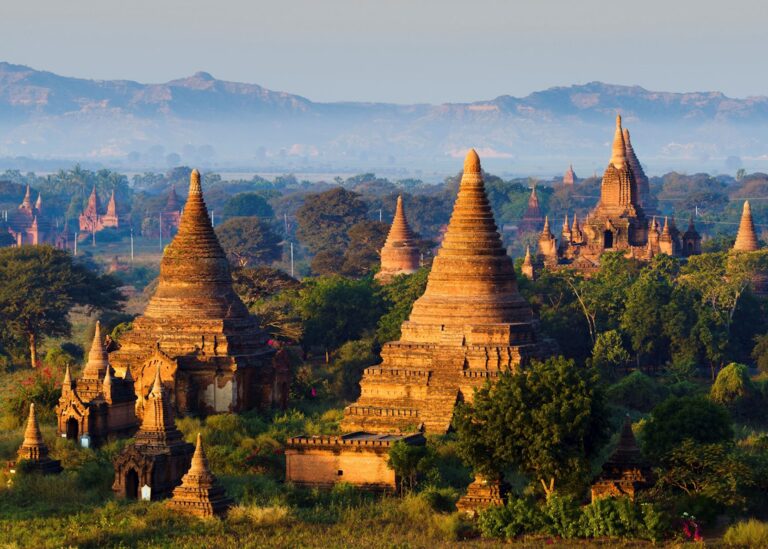
BAGAN, MYANMAR – Ancient Temple Plains, Sunrise Balloon Rides And Inle Lake Boat Villages
Two Or Three Days Of Archaeological Wonders, E-Bike Temple Trails, Floating Markets And Garden Lodge StaysBagan is by far one of Asia's most extraordinary destinations, the massive archaeological plain is scattered with over two thousand ancient temples, pagodas, and stupas that emerge from the morning mist in a landscape with no parallel on the continent (or the world). Frequently paired with Inle Lake for a more extensive Myanmar itinerary, it earns its reputation at every turn.
Why Little Steps Loves It: Bagan operates on a scale most destinations cannot match. Cycling between centuries-old temples on sandy paths at dawn, with no crowds and birdsong as the only soundtrack, is the kind of travel experience that resets your sense of what's possible. The sunrise balloon ride, when conditions allow, takes that further still.
Who Is Bagan Perfect For? History and archaeology enthusiasts, photographers, and travelers seeking a destination unlike anywhere else. Best suited to independent travelers and couples comfortable with a remote, unhurried setting. Two nights cover the main archaeological zone well; three nights allow time for Mount Popa and a more relaxed pace. Combine with Inle Lake for a fuller Myanmar itinerary.
What Does A Bagan Itinerary Look Like? Day one: sunrise hot air balloon ride above the temple plain (available October to April only — book well in advance). On landing, visit Shwesandaw Pagoda for elevated views, followed by an e-bike or bicycle circuit through sandy paths between Sulamani and Dhammayangyi temples to see intricate brickwork and Buddha images away from the main tourist flow. Day two: Nyaung U Market in the morning for local life and produce, then Ananda and Htilominlo temples for centuries-old frescoes and detailed Burmese craftsmanship. Optional half-day excursion to Mount Popa for dramatic volcanic views and an introduction to Myanmar's nat spirit worship tradition. Evenings on the riverbank as golden light bathes the temple silhouettes and boats drift along the Ayeyarwady. Inle Lake extension: a boat through floating gardens and stilted villages, leg-rowing fishermen, bustling morning markets, and the pagoda forest at Indein.
Where Should You Stay In Bagan? Bagan Lodge is a well-designed property minutes from the archaeological zone, with rooms and suites in organic colors formed from traditional Burmese materials. It is set in lush gardens alongside two pools and a spa, providing a comfortable, well-considered base for early starts and late-evening returns from the temple plain.
What Unique Experiences Can You Book In Bagan? A private e-bike temple tour with a specialist archaeology guide — covering Bagan's historical timeline, the religious differences between Buddhist sects visible in the temple architecture, and access to lesser-visited sites away from the main circuit is the single best investment for making sense of the site's extraordinary scale. Also worth booking: a private sunset river cruise on the Ayeyarwady with views of the western temple silhouettes, a traditional lacquerware workshop visit in a local artisan's studio, a sunrise photography session at a quieter pagoda with a local guide, or for the Inle Lake extension, a private boat and market tour beginning before the tourist crowd arrives.
Bagan Lodge, Myat Lay Road, New Bagan, Nyaung Oo Township, Myanmar, +95 97 7707 7336, info@bagan-lodge.com, http://bagan-lodge.com/
-
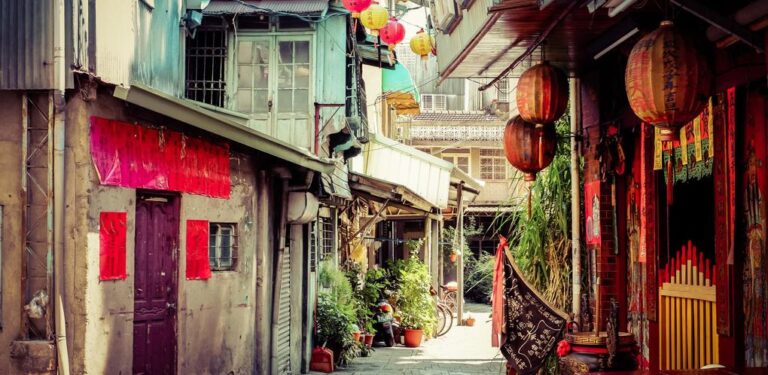
TAINAN, TAIWAN – Dutch Forts, Confucian Temples And Taiwan's Street Food Capital
Two Or Three Days Of Colonial History, Temple Courtyards, Night Market Feasting And West Central District StaysTainan is Taiwan's oldest city and most rewarding for anyone interested in history, religious culture, and serious eating. Quieter and more intimate than Taipei, it moves at a pace suited to unhurried exploration. It is plenty small enough to cover on foot and interesting enough to fill two or three days without difficulty.
Why Little Steps Loves It: Tainan consistently tops polls of Taiwanese people's favorite city, and it's not hard to see why. The density of well-preserved temples, colonial-era architecture, and outstanding street food in a walkable, unpretentious city makes it one of Asia's most satisfying under-the-radar short breaks. It is particularly strong as an addition to a Taipei itinerary.
Who Is Tainan Perfect For? Culture buffs, food lovers, and travelers seeking an authentic Taiwanese city experience away from the capital's tourist infrastructure. It is an excellent choice for independent travelers and couples and also works well for families with older children. Two nights cover the historic center and night markets well; three comfortably add Anping and the Sicao mangroves.
What Does A Tainan Itinerary Look Like? Day one: Visit Chihkan Tower in the morning. This 17th-century Dutch red-brick fortress features koi ponds, lush gardens, and folklore-rich galleries that are atmospheric when illuminated after dark. Then visit Confucius Temple for its peaceful scholarly courtyards in the quiet morning hours. In the afternoon, wander the historic center. Shennong Street, Hayashi Department Store, and Grand Mazu Temple are all within easy walking distance, with colonial and traditional architecture part of everyday local life. Spend the evening at Garden Night Market enjoying oyster omelet, sticky tofu, and danzai noodles shared at communal tables under lantern light. On day two or three, explore Anping's old fort and tree house. These colonial warehouse ruins overtaken by banyan roots offer a mix of history and natural spectacle. Follow this with a mangrove boat ride through Sicao Green Tunnel for a quietly beautiful escape just outside the city center.
Where Should You Stay In Tainan? Golden Tulip RS Boutique Hotel in the West Central District puts guests within easy walking distance of Chihkan Tower, Confucius Temple, and the city's best night markets. Its warm contemporary interiors, attentive service, and generous amenities make it comfortable and well-positioned. Tainan Station is also close by for onward rail connections.
What Unique Experiences Can You Book In Tainan? A guided night market tour of Garden Night Market and the surrounding street food lanes with a local food writer, covering the history of danzai noodles, the Tainan-specific takes on oyster omelet and milkfish, and the city's role as the birthplace of several of Taiwan's most beloved dishes, is one of the most enjoyable evenings you can spend in southern Taiwan. Also worth booking: a private temple trail walk through the historic center with a cultural guide, a morning mangrove kayak through Sicao with a local naturalist, a traditional red tortoise cake (ang ku kueh) making class at a heritage pastry shop, or a half-day cycling tour through Anping's colonial waterfront and fishing village lanes.
Golden Tulip RS Boutique Hotel, No. 128, Sec. 2, Minzu Road West, Central District, Tainan, Taiwan, +886 6 2208 366, gtrs_rv@goldentulip-tainan.com, https://rs-boutique-hotel.goldentulip.com/en-us/
-
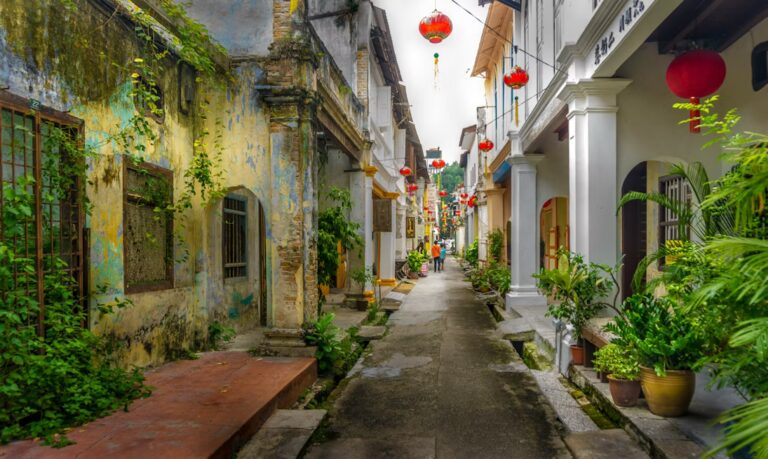
IPOH, MALAYSIA – Cave Temples, White Coffee Culture And Colonial Old Town Lanes
Two Or Three Days Of Limestone Grottos, Tin Mining Heritage, Street Art And Shophouse Boutique StaysIpoh is a former tin mining boomtown has become genuinely charming, with cave temples, pre-war café interiors, heritage murals, and a coffee culture that justifies the trip. It is unhurried, walkable, and consistently underestimated.
Why Little Steps Loves It: Ipoh moves at a deliciously lazy pace by Southeast Asian city break standards. Mornings are for cave temples and white coffee. Afternoons drift between mural lanes and colonial arcades. Evenings settle into night markets and iced desserts. The city's Old Town is one of the best-preserved pre-war streetscapes in Malaysia, and the food from tau fu fah to nasi lemak is outstanding throughout.
Who Is Ipoh Perfect For? Travelers seeking a slower, more atmospheric Malaysian alternative to Kuala Lumpur or Penang. It is an excellent choice for food lovers, heritage enthusiasts, street art fans, and anyone wanting a genuinely relaxed city break without sacrificing cultural interest. Two nights cover everything comfortably. Ipoh also works well as a day trip or overnight from KL or Penang.
What Does An Ipoh Itinerary Look Like? Day one: Visit Kek Lok Tong and Sam Poh Tong cave temples on the city's southern limestone fringe. Experience altars among stalactites, peaceful grottos, and quiet gardens outside. Then explore Concubine Lane in the Old Town, a revitalized alley of tin merchant heritage, indie boutiques, vintage shops, murals, and street food stalls serving tau fu fah and salted egg pastries. In the afternoon, café hop: Nam Heong for white coffee and egg tarts, Plan B near Kong Heng Square for artisan brews in a pre-war interior. In the evening, walk past the railway station and Birch Memorial Clock Tower to see British-era architecture at its grandest. Day two: Visit Market Lane and Mural Lane for street art, Han Chin Pet Soo museum for tin mining history, and the night market for nasi lemak, fried chicken, and sweet iced desserts. Optionally, take a nature detour toward Mirror Lake or Gunung Lang Park for scenic limestone karst scenery just outside the city.
Where Should You Stay In Ipoh? M Boutique Hotel in the Old Town combines Malayan shophouse character with comfort. It features quirky vintage design, cozy rooms, and a location that puts Concubine Lane, the cave temple route, and the best coffee shops within easy walking distance. It is a well-priced and well-positioned base for the duration.
What Unique Experiences Can You Book In Ipoh? A guided white coffee trail with a local food historian, covering the origins of Ipoh's distinctive coffee-roasting tradition, the kopitiam culture that sustained the tin-mining community, and the best old-school vendors still using pre-war equipment, is one of the city's most enjoyable and underrated experiences. Also worth booking: a private heritage walk through the Old Town's shophouse architecture and clan association buildings with a local guide, a cave temple tour at Kek Lok Tong before the morning crowds, a street art mural walk through Mural's Lane with a local artist, or a half-day limestone hill excursion to the Sam Poh Tong turtle pond gardens and the quieter cave temples on the city's northern edge.
M Boutique Hotel, 2, Hala Datuk 5, 31650 Ipoh, Perak, +60 05 255 5566, ask@mboutiquehotels.com, https://ipoh.mboutiquehotels.com/
-

DA NANG, VIETNAM – Marble Mountains, Golden Bridge And East Sea Seaside Charm
Two Or Three Days Of Limestone Shrines, Mountain Resorts, Han River Evenings And Riverside Boutique StaysDa Nang is one of Vietnam's most varied destinations, a mid-sized coastal city with dramatic natural landmarks, a mountaintop resort unlike any other in the region, and a relaxed urban pace anchored by a scenic riverside and easy beach access. It is a strong standalone destination and a natural base for day trips to Hoi An and Hue.
Why Little Steps Loves It: Da Nang covers an unusual amount of ground for a short break. The cool Marble Mountains in the morning, Ba Na Hills' Golden Bridge at altitude, and Dragon Bridge illuminated over the Han River at night are three different experiences, all within the same city limits. Add solid food, a growing hotel scene, and adjacency to two UNESCO World Heritage towns, and the destination is perfect for a weekend away.
Who Is Da Nang Perfect For? Couples, families, and travelers seeking a Vietnamese city break with ample nature, coastal walks, heritage, and food. Works particularly well as a base for a central Vietnam itinerary taking in Hoi An and Hue. Two nights cover the city highlights; three allow a full day at Ba Na Hills without cutting other experiences short.
What Does A Da Nang Itinerary Look Like? Day one: start early at the Marble Mountains, five limestone outcrops honeycombed with pagodas, Buddhist shrines, and panoramic viewpoints, then visit Non Nuoc village to watch marble sculptors at work. Spend the afternoon at Han Market for local coffee, banh xeo, fresh seafood, che desserts, and souvenir browsing. In the evening, stroll along the Bach Dang riverside promenade, finishing at Dragon Bridge after dark for the neon-bright display over the Han River. Day two: spend a full day at Ba Na Hills, take the cable car to the mountaintop complex, see the Golden Bridge held aloft by sculpted stone hands, explore the French Village gardens, and enjoy the amusement park for families. The cool mountain air and sweeping coastal views make this a worthwhile full-day trip.
Where Should You Stay In Da Nang? The Nalod Da Nang overlooks the Han River in a well-positioned city-center location. It offers spacious, light-filled rooms, a rooftop infinity pool with city, river, and skyline views, and attentive service, making it a credible and stylish base for city exploration and day trips along the coast.
What Unique Experiences Can You Book In Da Nang? A private guided tour of the Marble Mountains with a local historian, covering the cave pagoda history, the Cham cultural worth of the site, and the less-visited chambers and viewpoints off the usual tourist path. Also worth booking: a sunrise photography session at the Marble Mountains before the tour groups arrive, a private cooking class focused on central Vietnamese dishes including banh xeo and mi Quang, a half-day excursion to Hoi An's ancient town and tailors by private car, or an evening street food walk through the lanes around Han Market with a local guide.
The Nalod Da Nang, 192 Vo Nguyen Giap, An Hai Ward, Da Nang City, Vietnam, +84 236 3913 999, info@nalod.com.vn, https://nalod.com.vn/
-
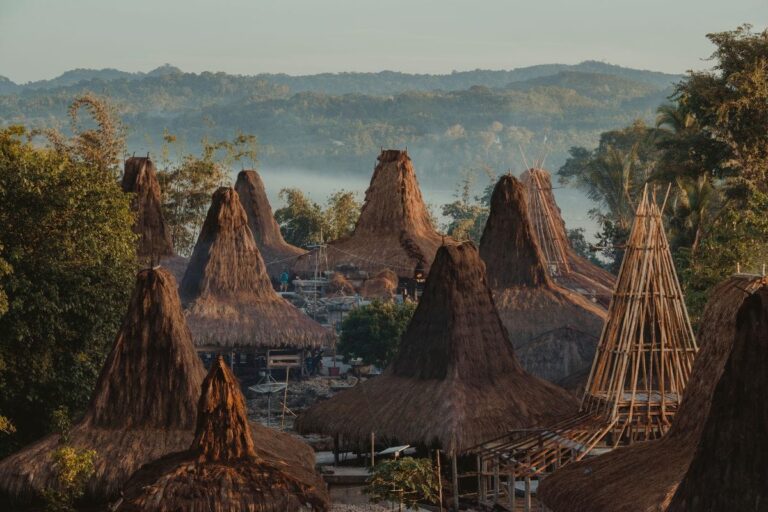
SUMBA, INDONESIA – Wild Beaches, Megalithic Villages And Ikat Weaving Culture
Two Or Three Days Of Surf Coastline, Waterfall Treks, Traditional Village Life And Clifftop Villa StaysSumba is one of Indonesia's least-developed and most distinctive island destinations, where long white-sand beaches, dense jungle interiors, and living ancestral history remain largely undisturbed. It is for travellers willing to trade convenience for something rare.
Why Little Steps Loves It: Sumba offers an increasingly rare combination in Southeast Asia: uncrowded coastline, intact traditional villages, and a craft tradition, hand-woven ikat textiles, that remains central to daily life rather than performed for tourists. The landscape changes dramatically from beach to waterfall to highland interior within short distances.
Who Is Sumba Perfect For? Independent travelers, surfers, cultural enthusiasts, and anyone looking for a remote Indonesian island experience outside Bali. It suits those comfortable with limited infrastructure and a slower, more exploratory pace. Two nights is the minimum; three to four days allow time to explore the interior, villages, and coast without rushing.
What Does A Sumba Itinerary Look Like? Day one: Nihiwatu or Mandorak Beach for swimming, surfing, or walking long stretches of mostly empty coastline. Horseback riding along the shore and guided snorkeling trips reveal more of the island's coastal geography at a manageable pace. Day two: the island's interior, Lapopu and Matayangu waterfalls via forest treks, with a stop at Weekuri saltwater lagoon for swimming in clear blue water. Look out for wild horses and, if lucky, the Sumba hornbill. Day three: traditional village visits, Ratenggaro is the most accessible, with its distinctive high-peaked thatched roofs and ancient megalithic tombs. Ikat weaving is often visible in progress, and local warungs serve grilled fish, cassava, and fresh fruit. Festival season offers additional ceremonial access worth planning around.
Where Should You Stay In Sumba? Nihi Sumba is the island's only luxury property, 27 clifftop villas above a private beach, with a strong sustainable ethos, sunrise horseback riding, farm-to-table cuisine, and open-air spa treatments along the coast. Excursions to waterfalls and traditional villages are part of the guest experience, with a genuine focus on supporting local Sumbanese communities.
What Unique Experiences Can You Book In Sumba? A private ikat weaving workshop in a traditional village, learning the natural dyeing process and hand-weaving techniques from a local artisan, is one of the most distinctive artisanal experiences in Indonesia. Also worth booking: a guided megalithic tomb trail through Ratenggaro and surrounding ancestral villages with a local cultural guide, a private waterfall trek to Matayangu with a naturalist covering Sumba's endemic wildlife, a dawn horseback ride along the beach at low tide, or a traditional Sumbanese feast at a local warung arranged through your accommodation.
Nihi Sumba, Hoba Wawi, Wanokaka, West Sumba Regency, East Nusa Tenggara, Indonesia, +62 811 3978 550, reservations@nihi.com, https://nihi.com/
-
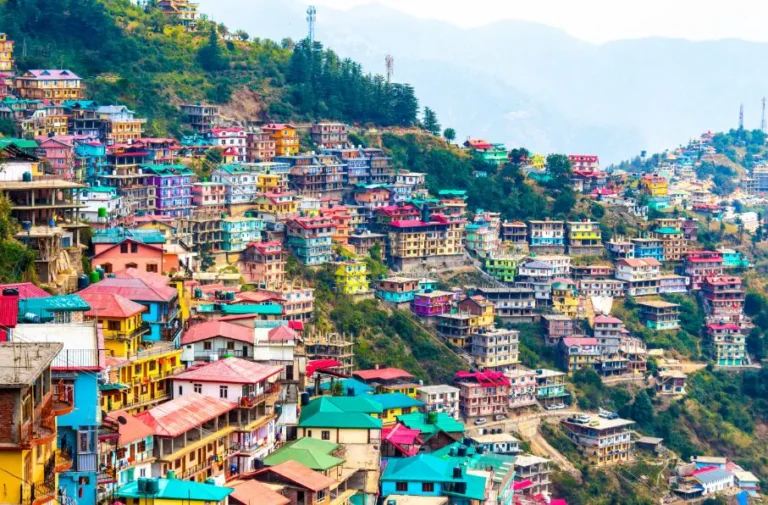
SHIMLA, INDIA – Colonial Promenades, Toy Train Rides And Himalayan Foothills
Two Or Three Days Of Ridge Walks, Viceregal Heritage, Mountain Trails And Cedar Forest Oberoi StaysShimla is one of India's most distinctive hill station destinations, a former British summer capital that retains its colonial architecture, mountain promenades, and crisp Himalayan air, set in a location genuinely removed from the plains below. It is slower and more atmospheric than most Indian city breaks, and all the better for it.
Why Little Steps Loves It: Shimla delivers a specific kind of travel adventure that is hard to copy elsewhere in Asia, neo-Gothic churches on a mountain ridge, a narrow-gauge toy train through pine-forested tunnels, and a Tudor mansion that once hosted viceroys, all within a compact, walkable town. The Wildflower Hall property alone justifies the journey for many travelers.
Who Is Shimla Perfect For? Heritage enthusiasts, nature lovers, and travelers seeking a cooler, quieter alternative to India's major city breaks. Works well for couples, multigenerational families, and anyone combining a stay in Shimla with a visit to Delhi or Chandigarh. Two nights cover the main colonial and scenic highlights; three open the quieter orchards, high-altitude villages, and more serious hiking options.
What Does A Shimla Itinerary Look Like? Day one: The Ridge for panoramic Himalayan views and neo-Gothic Christ Church, then Mall Road for cafés, bookshops, and local boutiques along Shimla's most characterful colonial promenade. In the afternoon, visit Jakhu Temple, a forested hilltop climb with resident monkeys and sweeping mountain views at the summit. Day two: take the Shimla Toy Train to Kandaghat through pine forests and British-era tunnels. Return for an afternoon visit to the Viceregal Lodge, the Tudor mansion that served as the summer seat of British India's government, now the Indian Institute of Advanced Study. Choose a guided hike on the Tara Devi trail or a trip to nearby Kufri for high-altitude scenery and quieter mountain air. Day three: explore Mashobra's apple orchards or have a picnic among cedar trees above Chail, followed by high tea on the Wildflower Hall terrace for mountain views and colonial-era atmosphere in equal measure.
Where Should You Stay In Shimla? Wildflower Hall, An Oberoi Resort is the leading address, a heritage property set among fragrant cedars above the city. It offers heritage suites with fireplaces, a renowned spa, a heated indoor pool with forest views, and the attentive service the Oberoi group is known for. It makes a strong case for basing the entire trip here and using the hotel as the anchor for each day's excursions.
What Unique Experiences Can You Book In Shimla? A private guided tour of the Viceregal Lodge with a colonial history specialist, covering Shimla's role in partition negotiations, the personalities who shaped British India from this hilltop mansion, and the architectural details of the Tudor building, is one of the most intellectually rewarding experiences available in any Indian hill station. Also worth booking: a private toy train carriage for the Kalka-Shimla UNESCO-listed narrow-gauge route, a guided cedar forest walk above Chail with a local naturalist, a high tea and heritage tour package at Wildflower Hall, or an apple orchard visit in Mashobra during harvest season with a local farming family.
Wildflower Hall, An Oberoi Resort, Taj East Gate Road, Agra, India, +91 562 223 1515, reservations@oberoigroup.com, https://www.oberoihotels.com/hotels-in-shimla-wfh/
-
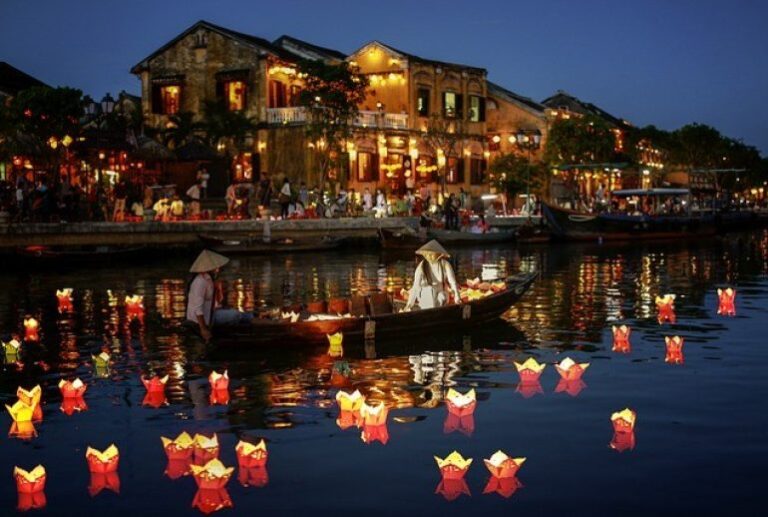
HOI AN, VIETNAM – Ancient Town Lanterns, Riverside Tailors And Champa Ruins
Two Or Three Days Of UNESCO Heritage Walks, Beachside Seafood, Village Cooking Classes And Thu Bon River StaysHoi An is one of Southeast Asia's best-preserved historic trading ports. It is a compact UNESCO-listed ancient town of yellow-walled shophouses, Chinese assembly halls, and a Japanese covered bridge standing since the 17th century. It is deservedly popular and best experienced with an early start and a day or two beyond the old town.
Why Little Steps Loves It: Hoi An's ancient town is genuinely beautiful, and the evening lantern reflections on the Thu Bon River are as atmospheric as advertised. The destination earns its place on a longer Vietnam itinerary through the full package: outstanding tailoring, excellent food, An Bang Beach within cycling distance, and the My Son Cham ruins as a half-day extension many visitors underestimate.
Who Is Hoi An Perfect For? Culture lovers, food lovers, shoppers, and travelers seeking a Vietnamese destination with coastal access and a relaxed pace. It works well for couples, solo travelers, and families with older children. Two nights cover the ancient town and beach; three add Tra Que village, a cooking class, and the My Son ruins without pressure.
What Does A Hoi An Itinerary Look Like? Day one: explore the ancient town on foot, yellow-walled alleys, the Japanese Covered Bridge, the Assembly Hall of the Fujian Chinese Congregation, tailor shops, leather artisans, and open-air cafés along the Thu Bon River. In the afternoon, have a fitting at one of the town's established tailors, Tony The Tailor or Tuong Tailor are reliable choices, and try bánh mì from Madam Khanh. Spend the evening at the night market for silk lanterns and handicrafts, followed by the river lantern ceremony and a boat ride past illuminated temple facades. Day two: cycle to An Bang Beach for fresh seafood and ocean views, then visit Tra Que vegetable village for traditional farming or a market-to-table cooking class. Optionally, take a half-day trip to My Son Sanctuary's Champa ruins for archaeological depth beyond the town.
Where Should You Stay In Hoi An? Anantara Hoi An Resort sits on the banks of the Thu Bon River, surrounded by tropical gardens, colonial facades with Asian interior details, garden- or river-view suites featuring local artwork, a quiet spa, and river cruises departing from a private jetty.
What Unique Experiences Can You Book In Hoi An? A private market-to-table cooking class at Tra Que village, beginning with a guided herb garden tour and local market visit before cooking a full central Vietnamese meal, is one of the most regularly praised experiences in Hoi An. Also worth booking: a private Thu Bon River boat trip at dusk timed for the lantern ceremony, a bespoke tailoring consultation with a fitting and 24-hour turnaround, a guided My Son Sanctuary tour with an archaeologist covering the Cham civilization’s Hindu temple complex, or a sunrise cycling tour through the countryside lanes between Tra Que and the coast before the heat sets in.
Anantara Hoi An Resort, 1 Pham Hong Thai Street, Hoi An, Quang Nam, Vietnam, +84 235 391 4555, hoian@anantara.com, https://www.anantara.com/en/hoi-an
-

BOHOL, PHILIPPINES – Chocolate Hills, Tarsier Sanctuaries And Panglao Diving
Two Or Three Days Of Spanish Colonial Heritage, River Cruises, Endemic Wildlife And Beachside MGallery StaysBohol is one of the Philippines' most varied island destinations. It combines Spanish colonial history, a unique geological landscape, endemic wildlife found nowhere else, and some of the Visayas' best diving and snorkeling, all within a navigable area.
Why Little Steps Loves It: The Chocolate Hills are one of Asia's most distinctive natural landmarks. The Philippine tarsier is among the world's most photographed primates. Panglao's coral gardens rank among the region's top dive sites. Few destinations of this size deliver this combination of land, wildlife, history, and water in such accessible proximity.
Who Is Bohol Perfect For? Nature lovers, divers, families, and travelers seeking an island break with real cultural and ecological depth. It also works well for couples and groups. Two nights cover the inland highlights and Panglao. Three allow a more relaxed pace with time for caves, dolphin watching, and the Bohol Bee Farm.
What Does A Bohol Itinerary Look Like? Day one: Visit Tagbilaran's Baclayon Church and the Blood Compact Shrine for Spanish colonial and Philippine history. Then head north inland to the Chocolate Hills, conical limestone mounds that roll across the horizon, best seen in late-afternoon sunshine. En route, enjoy a Loboc River cruise with local folk music and lunch served from floating restaurants. Day two: Visit the Tarsier Sanctuary in Corella for close but responsible observation of the world's smallest primate among bamboo groves. Then explore the Bilar Man-Made Forest with its dense mahogany canopy, popular with photographers. Also visit Hinagdanan Cave for limestone formations and a subterranean pool. Day three: Explore Panglao Island, Alona Beach for diving and snorkeling over colorful coral gardens, a dawn dolphin and whale-watching trip offshore, and an afternoon at Bohol Bee Farm for organic produce, honey ice cream, and clifftop views.
Where Should You Stay In Bohol? South Palms Resort & Spa Panglao – MGallery Collection is the island's most luxury address. It is a boutique coastal property on Panglao Beach blending local craftsmanship with tropical design. It offers elegant sea-view villas, a destination spa, and fine regional cuisine delivered with the consistent service standard the MGallery brand is known for.
What Unique Experiences Can You Book In Bohol? A private visit to a tarsier sanctuary with a wildlife guide, covering the species' conservation status, nocturnal habits, and the threats posed by habitat loss and unregulated tourism, is far more rewarding than a standard group visit and contributes directly to the sanctuary's protection efforts. Also worth booking: a private Loboc River cruise with a local historian covering the Spanish colonial period and the 1750 Dagohoy Rebellion, a guided cave and spring circuit with a local naturalist, a dawn dolphin-watching boat trip from Panglao with a marine biologist, or a farm-to-table lunch at Bohol Bee Farm with a guided tour of the organic gardens and honey production process.
South Palms Resort & Spa Panglao – MGallery Collection, Barangay Tawala, Panglao Island, Bohol Province, 6340, Panglao, Philippines, +63 385070010, mgallerysouthpalmsresort@accor.com, https://mgallery.accor.com/en/hotels/C0Q8.html
-
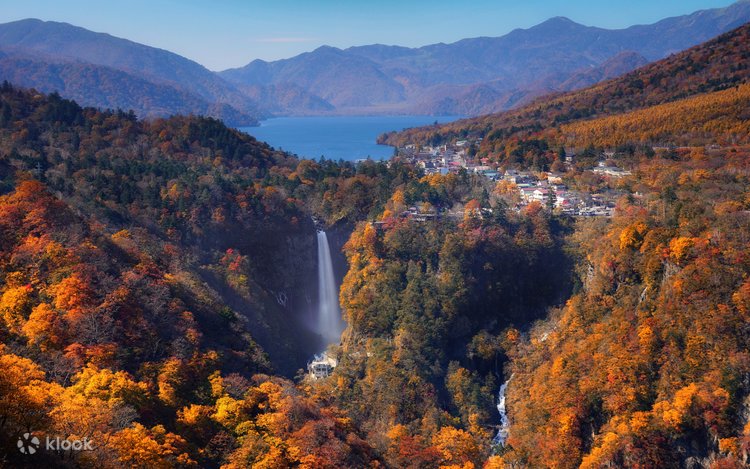
NIKKO, JAPAN – Edo Shrines, Mountain Lakes And Forest Onsen Retreats
Two Or Three Days Of UNESCO Temples, Winding Mountain Roads, Kegon Falls And Private Onsen LuxuryNikko is one of the most rewarding day trips or overnight destinations near Tokyo. This mountain town features UNESCO-listed Edo-period shrines, dense cedar forests, dramatic waterfalls, and traditional onsen. It offers a genuinely restorative escape from the capital, located two hours north by train and a world apart in atmosphere.
Why Little Steps Loves It: Nikko earns its reputation through the quality of its core experiences. Toshogu Shrine's gold-leaf and lacquered wood craftsmanship is among the finest of the Edo period. Lake Chuzenji and Kegon Falls reward the Irohazaka switchback drive with scenery that changes dramatically across seasons. The Kanmangafuchi Abyss riverside walk, mossy Jizo statues, cedar canopy, and mountain stream are among Japan's quieter great walks.
Who Is Nikko Perfect For? History and nature enthusiasts, photographers, and Tokyo-based travelers seeking a proper mountain escape without a long journey. It works well for couples and families with older children. An overnight stay is strongly recommended over a day trip to enjoy the evening quiet and onsen time that defines the destination at its best.
What Does A Nikko Itinerary Look Like? Day one: Visit Toshogu Shrine for the elaborately carved Yomeimon Gate, gold-leaf detailing, and Edo-period craftsmanship. Then see Futarasan-jinja and the vermilion Shinkyo Bridge over the Daiya River. Spend the afternoon along Kanmangafuchi Abyss, a riverside path of mossy Jizo statues and cedar trees, finishing with matcha and local sweets at a riverside teahouse. Day two: Drive the Irohazaka Winding Road up to Lake Chuzenji for mountain and valley views. Visit Kegon Falls for the dramatic 97-metre drop, especially impressive during autumn foliage. Explore the Senjogahara Marshland's nature trails for bird watching and panoramic highland views. In the evening, enjoy freshwater fish, soba noodles, and sake at a local restaurant, then head to a private onsen for a soak.
Where Should You Stay In Nikko? FUFU Nikko is a small luxury forest resort where suites combine Japanese minimalism with private onsen baths and expansive woodland views. Kaiseki meals, guided forest walks, and warm attentive hospitality make it a genuinely restorative base. It is a short drive or shuttle ride from the shrine complex and the mountain road.
What Unique Experiences Can You Book In Nikko? A private guided tour of Toshogu Shrine with a specialist in Edo-period religious architecture, covering the iconography of the carvings, the political significance of Tokugawa Ieyasu's mausoleum, and the lesser-visited inner sanctuaries, adds substantial depth to what is already a visually overwhelming site. Also worth booking: a private dawn photography session at Shinkyo Bridge before the tour groups arrive, a guided autumn foliage walk along Kanmangafuchi Abyss with a local naturalist, a traditional soba-making class at a Nikko farmhouse kitchen, or a private lakeside kayak on Lake Chuzenji with views of the surrounding mountain range.
FUFU Nikko, 1573-8 Honmachi, Nikko City, Tochigi Prefecture, +81 570 011 722, reservation@fufunikko.jp, https://www.fufunikko.jp/
-
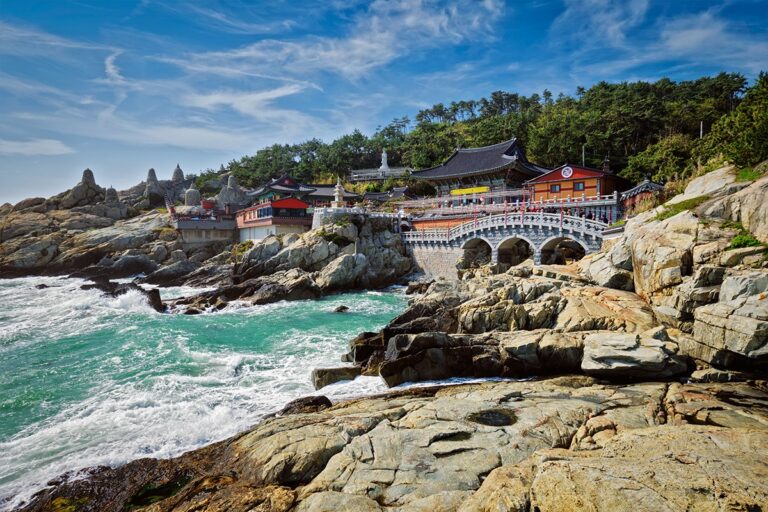
GANGNEUNG, SOUTH KOREA – Coffee Street, Cliff-Top Art Museums And East Coast Beaches
Two Or Three Days Of Joseon Heritage, Creative Spaces, Seafood Markets And Oceanfront Luxury StaysGangneung, South Korea's seaside city combines a serious coffee culture, a strong contemporary arts scene, well-preserved Joseon heritage, and direct access to some of the peninsula's best beaches. It is two and a half hours from Seoul by KTX and a natural extension of a more comprehensive Korea itinerary.
Why Little Steps Loves It: Gangneung made its international debut as an Olympic host city in 2018 and has developed its creative infrastructure since. Anmok Coffee Street is a genuine destination in its own right. Haslla Art World's clifftop sculpture park is one of Korea's most distinctive art experiences. The combination of mountain backdrop and east coast ocean gives the city a visual drama that sets it apart from the capital.
Who Is Gangneung Perfect For? Design-conscious travelers, coffee devotees, art lovers, and anyone wanting a Korean city break with coastal scenery and a slower pace than Seoul. It is an excellent overnight or two-night extension from the capital by high-speed rail. It works well for couples and solo travelers and is also a strong pick for families with older children interested in outdoor activities.
What Does A Gangneung Itinerary Look Like? Day one: Start at Anmok Coffee Street for hand-dripped coffee from local roasters with sea views. Then take a morning walk or cycle around Gyeongpo Lake, enjoying cherry blossoms in spring or foliage in autumn. Visit Ojukheon House in the late morning to see Joseon-era architecture, galleries, and tranquil gardens. Spend the afternoon at Haslla Art World, the clifftop museum and sculpture park with indoor installations and an outdoor trail above the East Sea. End the day with sunset at Jeongdongjin Beach or a walk along Wolhwa Street's converted railway arts and food zone. Day two: Visit Chodang Dubu Village for handmade soft tofu dishes, the local seafood market, and minimalist coffee shops overlooking the water. Optionally, take a half-day hike on the Daegwallyeong trail for panoramic ocean views accessible by taxi or car.
Where Should You Stay In Gangneung? Seamarq Hotel is the city's standout luxury address. It features modernist architecture with floor-to-ceiling glass, sea-facing rooms with private terraces, an oceanfront infinity pool, spa, and contemporary Korean dining. This well-designed property functions as a destination in itself and a practical base for the city's art, beach, and cultural circuit.
What Unique Experiences Can You Book In Gangneung? A private coffee roastery tour and tasting session on Anmok Coffee Street, covering Gangneung's emergence as Korea's specialty coffee capital, single-origin sourcing, and hand-drip brewing technique with a local master roaster, is one of the most distinctive urban experiences on the east coast. Also worth booking: a private Haslla Art World after-hours guided tour of the sculpture park at dusk, a local seafood market visit and cooking session focused on Gangneung's signature dishes including Chodang sundubu, a guided Gyeongpo Lake dawn walk during cherry blossom or autumn foliage peak, or a KTX day trip extension to the Seoraksan National Park trail system two hours north.
Seamarq Hotel, 2, Haean-ro 406beon-gil, 25460 Gangneung, South Korea, +82 33 650 7000, rescom@seamarqhotel.com, https://www.seamarqhotel.com/
-
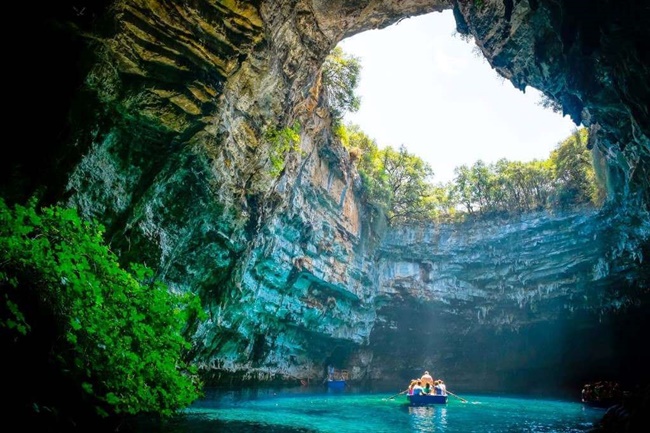
PHONG NHA, VIETNAM – Limestone Caves, Jungle Valleys And Son River Adventures
Two Or Three Days Of World-Class Caving, Valley Cycling, Wild Swimming And Karst-View Villa StaysPhong Nha is is a rural town on the edge of Phong Nha-Ke Bang National Park, home to some of the largest and most spectacular cave systems on earth. The area is unhurried, genuinely beautiful, and far from the country's coastal tourist circuit.
Why Little Steps Loves It: Phong Nha offers experiences unlike any other in Southeast Asia. Drifting silently into Phong Nha Cave by boat, cycling between farms in Bong Lai Valley, and swimming in a jungle river in the afternoon are low-infrastructure, high-reward days that stay with travelers long after the trip. Son Doong, the world's largest cave, puts the destination on a global map.
Who Is Phong Nha Perfect For? Adventure travelers, nature enthusiasts, and explorers seeking a Vietnamese destination far outside a typical tourist trail. It suits solo travelers, couples, and small groups comfortable with a rural setting and active itineraries. Two nights cover the main caves and valley; three allow national park treks and more immersive caving options.
What Does A Phong Nha Itinerary Look Like? Day one: a Son River boat trip into Phong Nha Cave with the engine cut for silence and vast stalactite chambers. In the afternoon, visit Paradise Cave for its cathedral-like interior. For the more active, Dark Cave's zipline and mud bath offer a fun alternative. Day two: cycle through Bong Lai Valley, small farms, water buffalo, lunch at the Pub With Cold Beer, and a cooking class or home-cooked meal at Tuan Garden House. In the afternoon, enjoy wild swimming in the river or a jungle kayak trip at a relaxed pace. Day three: a guided trek into Hang En for serious caving without the Son Doong commitment, or explore Tien Son Cave and local jungle trails for wildlife and birdwatching. Evenings in Phong Nha town offer iced coffee and banh xeo at open-air eateries.
Where Should You Stay In Phong Nha? Victory Road Villas offers private villas with panoramic views of the karst peaks and Son River. It combines Vietnamese heritage details with modern comfort, a swimming pool, and a riverside restaurant. Staff arrange caving tours, cooking experiences, and valley excursions directly, keeping it a practical and well-positioned base for the full Phong Nha itinerary.
What Unique Experiences Can You Book In Phong Nha? A guided expedition into Hang En cave, a two-day trek through jungle and river crossings to one of the world's largest cave passages, with an overnight camp inside, is one of Southeast Asia's most extraordinary adventure experiences and must be booked through licensed operators. Also worth booking: a private Son River sunrise boat trip before the day-tour groups arrive, a cooking class at Tuan Garden House focused on central Vietnamese home cooking, a guided birdwatching walk in the national park buffer zone with a local naturalist, or, for those with the budget and planning lead time, a permit for Son Doong itself, which remains one of the most exclusive and awe-inspiring cave expeditions on the planet.
Victory Road Villas, DT 20 Victory Road, Phong Nha, Quang Binh, Vietnam, +84 232 3675 699, info@victoryroadvillas.com, https://victoryroadvillas.com/
-
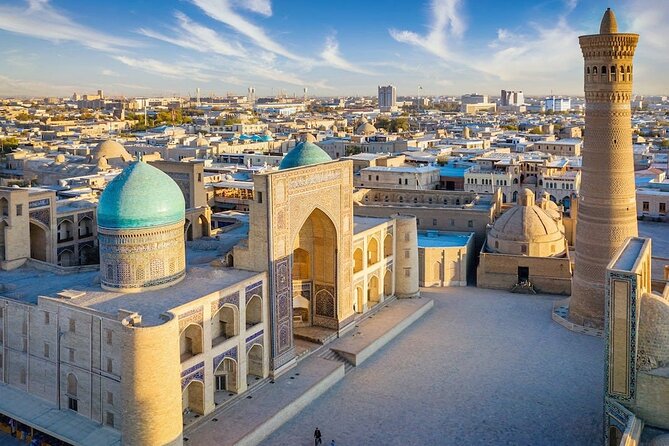
SAMARKAND, BUKHARA, AND KHIVA, UZBEKISTAN – Silk Road Cities, Blue-Domed Mosques And Ancient Fortress Walls
Four Or Five Days Of Registan Mosaics, Caravanserai Bazaars, Desert Sunsets And Madrasa Boutique StaysUzbekistan's Silk Road cities, Samarkand, Bukhara, and Khiva form one of Asia's most extraordinary heritage circuits, connecting three UNESCO-listed urban centers of Islamic architecture, medieval scholarship, and Central Asian trade culture across a landscape that has changed less than almost anywhere else on the continent.
Why Little Steps Loves It: The Registan's tilework at golden hour, Bukhara's trading domes stacked with embroidered textiles, and Khiva's Itchan Kala fortress glowing at dusk are images from a different century and in Uzbekistan largely still do. The high-speed train connecting the three cities makes the circuit accessible without losing the sense of discovery. The regional food alone, pilaf, sesame bread, melon, and green tea in a courtyard, absolutely justifies the journey.
Who Is Uzbekistan Perfect For? History and architecture enthusiasts, culturally curious travelers, and anybody seeking a destination that surprises. It works well for couples, solo travelers, and small groups. Four to five days cover all three cities at a reasonable pace. A week allows more in-depth exploration and day trips to outlying sites.
What Does An Uzbekistan Itinerary Look Like? Samarkand (days one and two): Registan Square's three madrassahs with soaring vaulted ceilings and kaleidoscopic mosaic facades, then the Gur-e-Amir Mausoleum and Bibi-Khanym Mosque on foot. Visit markets and bakeries for sesame bread and spiced pilaf. Spend evenings at a courtyard restaurant in the old city. Bukhara (days three and four): Lyab-i Hauz square, the Ark Fortress, the Poi Kalyan minaret complex, and the Miri-Arab madrasah. Explore covered bazaar domes for textiles, embroidered caps, and local sweets. The labyrinth of alleyways is best explored at sunset when the tilework shifts color. Khiva (day five): Walk the Itchan Kala fortress walls, the Kalta Minor minaret, Juma Mosque's carved wooden columns, and the ramparts at dusk as the city settles into pastel tones. Enjoy open-air teahouses for fresh melon and green tea.
Where Should You Stay In Uzbekistan? Orient Star Hotel Khiva, housed in a converted classical madrasa inside the Itchan Kala walls, is a great place to stay for the circuit's final stop. It features a central courtyard, traditional carved woodwork, atmospheric rooms, and sunset views over the fortress. Regional breakfasts and attentive service make it an exceptional base for the old city.
What Unique Experiences Can You Book In Uzbekistan? A private Registan after-hours visit in Samarkand, arranged through a specialist guide for access before the site opens to general visitors, delivers the square's tilework and scale without a single other person in the frame, and is among the most memorable experiences available on the entire circuit. Also worth booking: a private pilaf cooking class with a Samarkand home cook, a guided textile and embroidery workshop in Bukhara's covered bazaar with a master craftsperson, a Khiva rampart sunset walk with a local historian covering the city's role in the slave trade and medieval scholarship, or a day trip from Bukhara to the desert fortresses of ancient Khorezm for a taste of the region's pre-Islamic civilization.
Orient Star Hotel, Pakhlavan Mahmud Street 1, Khiva, Uzbekistan, +998 97 527 68 59, https://www.booking.com/hotel/uz/orient-star-khiva.html



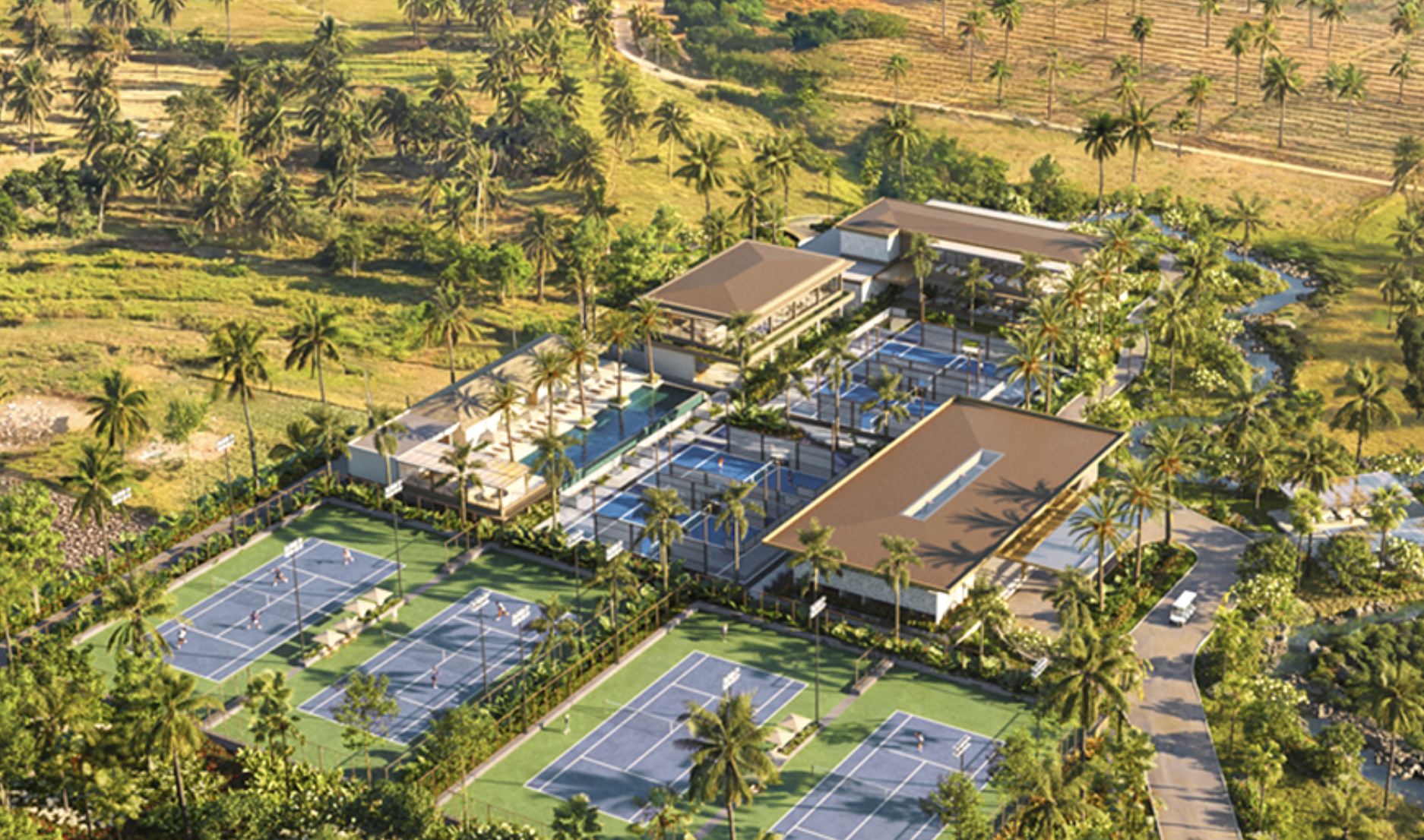
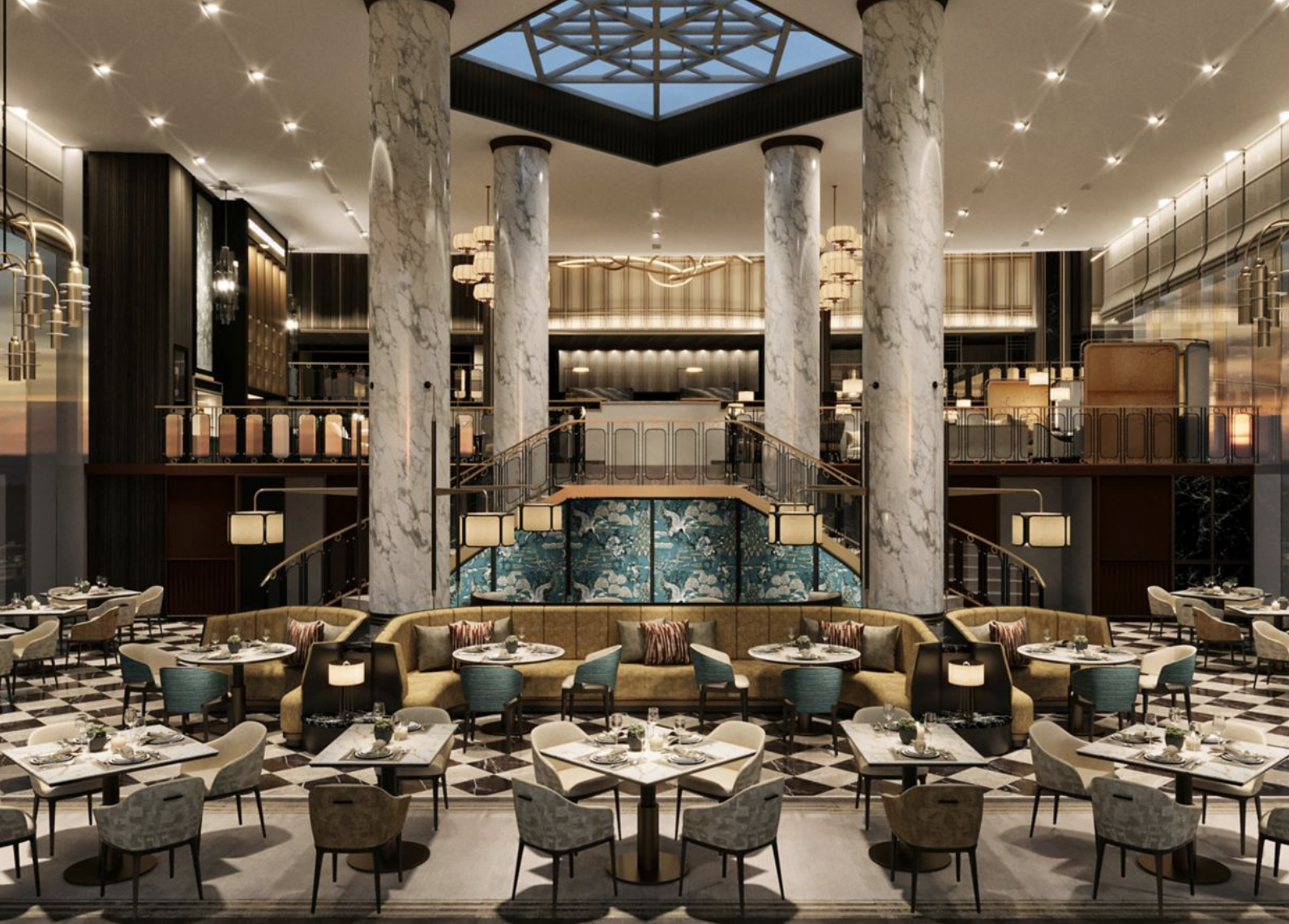


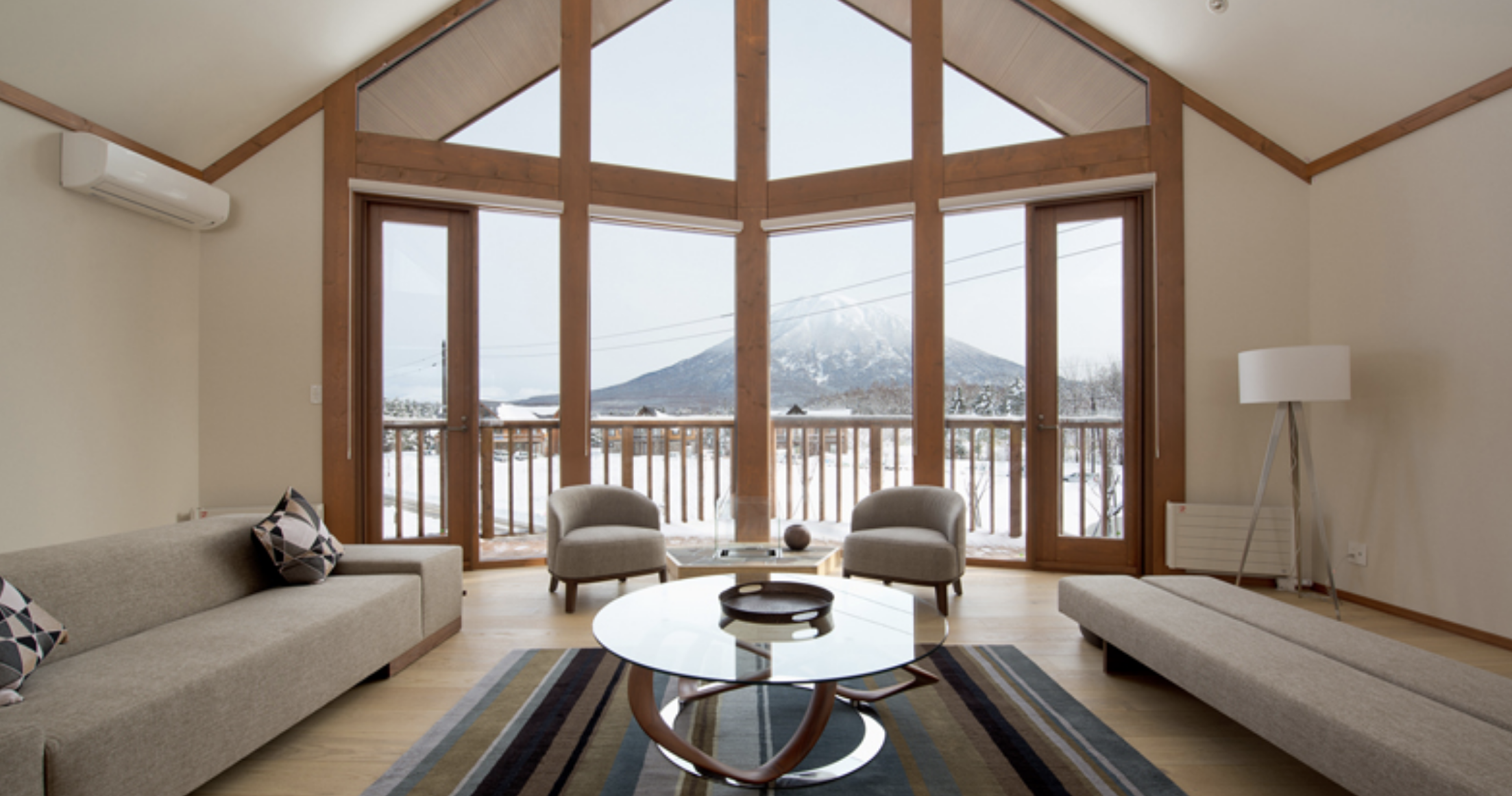
 Recommends