

-
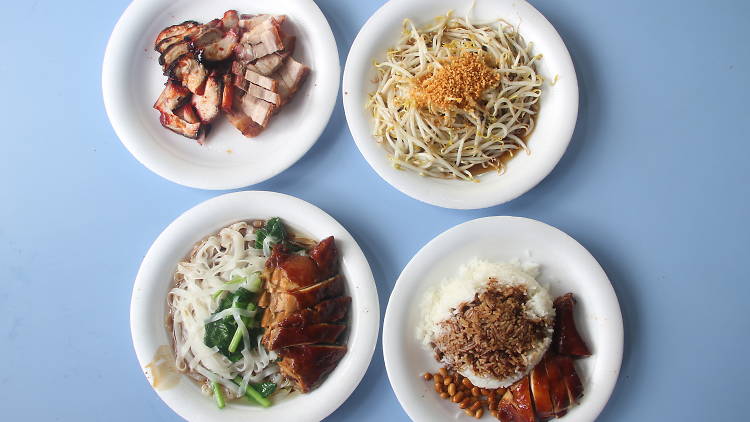
Liao Fan Hong Kong Soya Sauce Chicken Rice & Noodle (Hawker Chan), Singapore
World’s Cheapest Michelin-Starred Meal, In Chinatown ComplexHawker Chan brought Singapore's hawker culture to the world stage when chef Chan Hon Meng's humble Chinatown stall earned a Michelin star in 2016. At about US$2 a plate, it is likely the most affordable Michelin-starred meal anywhere. The famous soya sauce chicken, with its deep mahogany glaze, served over fragrant rice or soft noodles, tastes every bit as good as the long lines suggest.
Why Little Steps Loves It: The whole experience shows off Singapore's egalitarian food culture, with communal tables, no pretension, and a dish that brings together local professionals, tourists, and dedicated foodies. Chan Hon Meng still makes each batch himself at the Chinatown stall, keeping the recipe true and consistent. In a city where a hawker lunch can be as good as a restaurant dinner, this is the best example.
Who It's Perfect For: Families, solo travelers, and anyone who wants to try a real piece of Singapore food history without spending much. Kids usually enjoy the mild, savory chicken and rice.
What Should I Order At Hawker Chan? The soya sauce chicken rice is the main attraction. You can also order it with noodles if you want both together in one bowl. Portions are generous and prices are still very low for a Michelin-recognized kitchen.
How Long Is The Queue At Hawker Chan? Lines often run from opening until early afternoon, especially on weekends. Arrive early—the stall opens at 10:30am—or visit on a weekday for a shorter wait. It's common for food to sell out before closing.
What Does It Cost? Prices start at around US$2 to 3, making it one of the most affordable Michelin-starred meals anywhere in the world!
Liao Fan Hong Kong Soya Sauce Chicken Rice & Noodle (Hawker Chan), 21 Tampines Street 92, Singapore, +65 6272 2000, info@hawkerchan.com, https://www.liaofanhawkerchan.com/
-
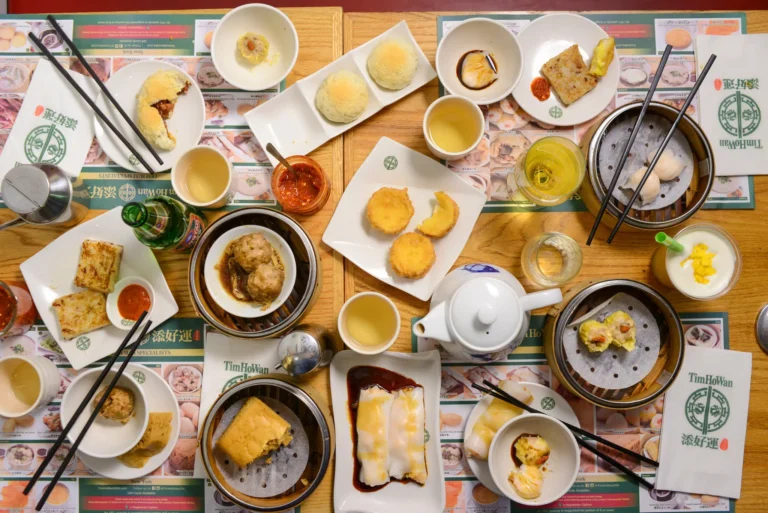
Tim Ho Wan, Hong Kong
Legendary Dim Sum, Globally Recognized For Affordable Michelin CuisineTim Ho Wan was started by a former chef from the three-Michelin-starred Lung King Heen. The goal was simple, bring great dim sum to everyone. The original Mong Kok location is still the place to go, with paper menus, busy shared tables, and quick-moving lines for some of the city’s best dumplings.
Why Little Steps Loves It: The baked barbecue pork buns are reason enough to visit! This signature dish is now one of Hong Kong’s most famous bites. Most dishes cost less than US$3 to $5, and a meal for two is usually under US$15. For families who want to introduce kids to real Hong Kong dim sum without spending too much, this is a great place to start.
Who It's Perfect For: Families, people new to dim sum, and anyone looking for an authentic Hong Kong food experience without spending a lot. The menu is easy for kids, with popular steamed and baked dishes as well as some more adventurous choices.
What Should I Order At Tim Ho Wan? Be sure to try the baked BBQ pork buns (they are baked, not steamed, which is a special feature here), har gow, and pan-fried turnip cake. You can mark your choices on the paper menu at your table.
How Long Is The Queue At Tim Ho Wan? There is usually a line, especially at the original Mong Kok spot, but it moves fast. For the shortest wait, try to arrive when they open or during the quieter mid-afternoon hours between mealtimes.
What Does It Cost? Most baskets cost about US$3 to $6, so you can enjoy a full meal with tea for well under US$15 per person.
Tim Ho Wan, various stores throughout Hong Kong, +65 6955 0188, customercare@timhowan.com, https://www.timhowan.com/
-
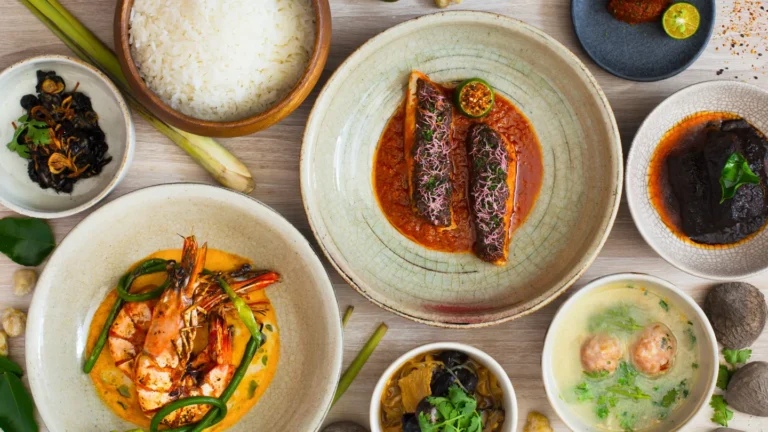
Candlenut, Singapore
The First Michelin-Starred Peranakan Restaurant, Offering Budget-Friendly Lunch OptionsCandlenut is located in the green Como Dempsey area and led by chef Malcolm Lee. His menus celebrate heritage and bring the rich, coconut-based flavors of Straits-Chinese cooking to Michelin-starred standards. The lunch menu is one of Singapore's best-value ways to try authentic Peranakan dishes, with highlights like buah keluak fried rice, crab curry, and fluffy omelets that blend family tradition with refined cooking.
Why Little Steps Loves It: Candlenut makes Peranakan cuisine, one of Singapore's most unique and historic food traditions, truly approachable for diners of all ages. The Dempsey Hill location is relaxed and green, the service is friendly and helpful, and the lunch prices make a Michelin-starred meal much more accessible than you might expect.
Who It's Perfect For: Families and food lovers who want to experience real Peranakan heritage in a stylish but relaxed setting. Older children and adventurous young eaters will find lots to enjoy, and the attentive staff help make the menu easy to explore.
What Should I Order At Candlenut? The buah keluak fried rice is the must-try signature dish. It is earthy, complex, and unlike anything else in the city. The crab curry and seasonal omelets are also highly recommended. If you want the full chef's experience, try the omakase menu.
How Much Does Candlenut Cost? Lunch sets are the most affordable way to try the restaurant, with prices much lower than the dinner omakase. À la carte lunch dishes usually cost between US$13–28, making a full meal achievable for well under US$60 per person.
Do I Need To Book At Candlenut? Yes, reservations are strongly recommended, especially for weekend lunch. You can book through the Como Dempsey website or by phone, and it's a good idea to check for seasonal menu changes before you go.
Candlenut, Singapore, Block 17A Dempsey Road, Singapore, + 65 8121 0176, candlenutres@comodempsey.sg, https://www.comodempsey.sg/restaurant/candlenut
-
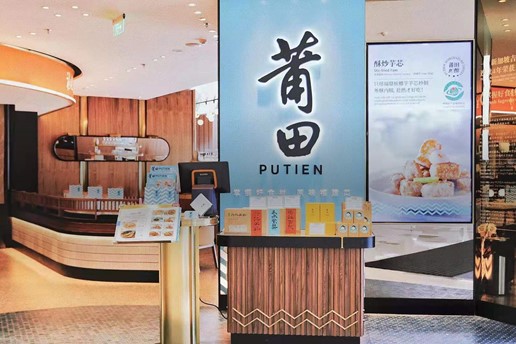
Putien, Singapore, And China
Fujianese-Specialty Spot, Known For Clean Flavors And Wallet-Friendly PricesPutien started as a small coffee shop on Kitchener Road and has become one of Singapore's top Michelin-starred restaurants. It is known for its clean, honest Fujian flavors inspired by the founder's coastal hometown. Signature dishes such as handmade bian rou soup, sweet-and-sour pork with lychee, and the famous Heng Hwa bee hoon highlight fresh seafood and light, MSG-free seasoning.
Why Little Steps Loves It: Putien is a rare place where the Michelin star matches the food's simple, home-style feel. The sharing plates are great for families, the menu is easy for kids to enjoy, and the prices make it one of the most family-friendly Michelin-starred restaurants in the city.
Who It's Perfect For: Families, groups, and anyone interested in trying regional Chinese food beyond the usual Cantonese dishes. The sharing style and gentle flavors make it a good choice for people of all ages.
What Should I Order At Putien? The Heng Hwa bee hoon is a must-try. It features thin, handmade rice vermicelli cooked in a rich broth. The bian rou soup and sweet-and-sour pork with lychee are also top picks. Order a variety and share with your group.
How Long Is The Wait At Putien? The original Kitchener Road location and the busier city branches often fill up fast, especially during weekend lunch. It's best to make a reservation, especially if you have a group of four or more.
What Does It Cost? Small plates and noodle What Does It Cost? Small plates and noodle dishes usually cost between US$6 and US$18. A generous shared meal for two is about US$25 to US$35 per person, which is great value for a Michelin-starred restaurant.
Putien, 80 outlets worldwide, +65 6295 6358, feedback@putien.com, https://www.putien.com/
-
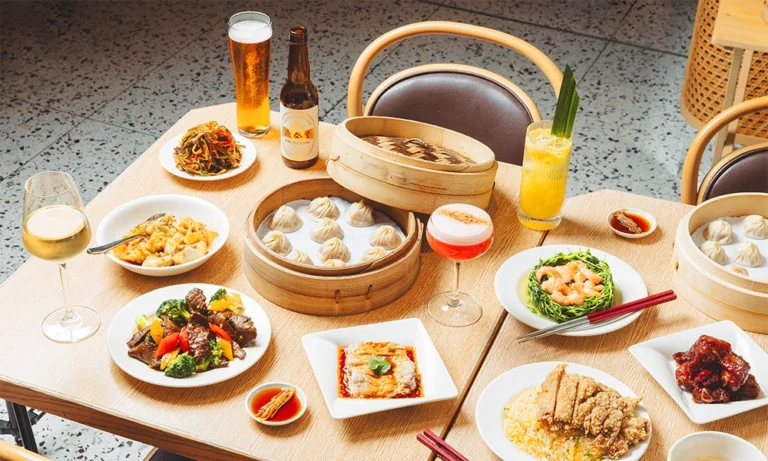
Din Tai Fung, Taiwan, Hong Kong, And Asia-Wide
Famous Xiao Long Bao And Chinese Classics At Reasonable PricesDin Tai Fung started in Taipei and has become one of Asia's most famous restaurants. Some Hong Kong locations have even earned Michelin stars, and its global reputation comes from the quality of its hand-pleated xiao long bao. Watching chefs fold dumplings behind glass walls is a joy whilst you are enjoying the food, which is truly exceptional.
Why Little Steps Loves It: Din Tai Fung is a fab choice for families. The menu is easy for everyone to enjoy, the atmosphere is lively, and kids love watching the kitchen staff at work before the food comes out. The quality is always consistent, so you can count on a great meal whether you're in Hong Kong, Singapore, or Sydney.
Who It's Perfect For: Din Tai Fung is great for families with kids of any age, first-time visitors to Asia, and anyone who loves soup dumplings. The menu has clean, mild flavors and lots of options, making it easy for even picky eaters to find something they like at this Michelin-recognized spot.
What Should I Order At Din Tai Fung? The xiao long bao are the main attraction, so order more than you think you'll want. Try the hot-and-sour soup, steamed chicken soup, sautéed greens, and shrimp-and-pork wontons for a balanced meal. Be sure to leave space for the red bean and taro dumplings for dessert.
How Long Is The Wait At Din Tai Fung? At busy locations, especially in Hong Kong's Times Square and Singapore's ION Orchard, you might wait 45 to 60 minutes during peak hours. Many branches now let you reserve a table or join a queue using an app, so check with the specific location before you go.
What Does It Cost? Most dishes are priced between US$5 to 10, with a satisfying full meal for two typically landing at around US$25 to 35 per person, which is modest by any measure for cooking of this calibre.
Din Tai Fung, outlets worldwide, https://www.dintaifung.com.tw/
-
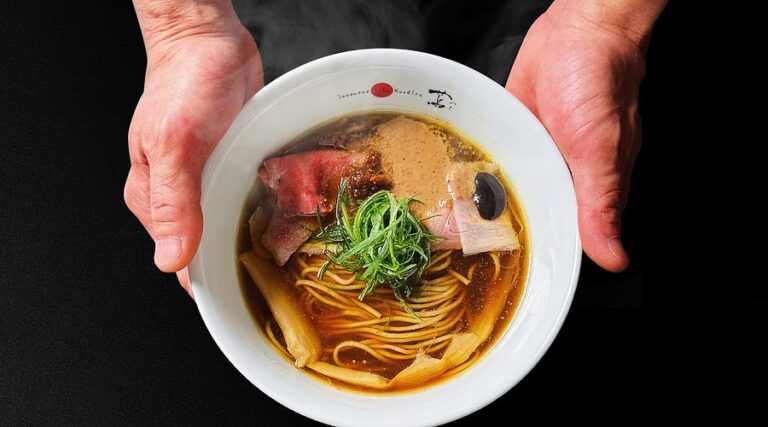
Tsuta Ramen, Tokyo (Multiple Asia Locations)
First Ramen Shop To Win A Michelin Star, With Set Menus Under $20Tsuta became the first ramen restaurant to earn a Michelin star, raising Tokyo’s famous noodle bar even higher. Now in Yoyogi-Uehara, the experience is classic Japanese: wait in line, order from a vending machine, and enjoy a carefully made bowl of shoyu ramen. Each bowl combines small-batch soy broth, springy soba noodles, and just a hint of truffle oil and fig compote for a truly special meal.
Why Little Steps Loves It: Getting a Michelin-starred lunch for about US$10 to 12 is already a great deal, and food to Tsuta stands out because the quality is perfect every time! Every part of the meal, from the custom broth to the local eggs and carefully chosen pork, shows the chef’s dedication to perfect ramen. Tsuta’s locations in Singapore, Taiwan, and the Philippines also bring this high standard closer to families across Asia.
Who It's Perfect For: Ramen fans, people visiting Tokyo for the first time, and families with older kids who are fine with a small, simple dining space. The short menu and vending machine ordering make eating here culturally interesting.
What Should I Order At Tsuta? Start with the signature shoyu soba, which features a rich soy-based broth, a touch of truffle oil, and springy noodles. Add toppings like chashu pork and seasoned eggs if you want a heartier meal.
How Does Ordering Work At Tsuta? You line up outside, buy a ticket from the vending machine at the entrance, and give it to the staff when you sit down. The process is quick and clearly marked, so even visitors from abroad find it easy. Try to arrive early because they only serve a set number of bowls each day.
What Does It Cost? The signature shoyu soba starts at around ¥1,200 (approximately US$8 to 10), with additional toppings bringing a fully loaded bowl to around US$12 to 15. One of the most affordable Michelin-starred meals anywhere in Asia.
Tsuta Ramen, various locations, https://www.tsuta.com/
-
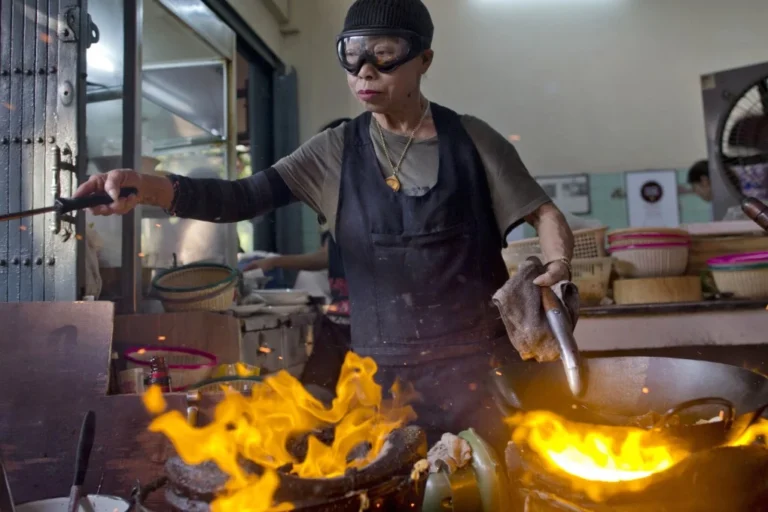
Jay Fai, Bangkok
Iconic Street-Side Crab Omelettes, Michelin-Starred Street Food For Under $30Jay Fai is Bangkok street food at its most theatrical and celebrated. In a modest shophouse on Maha Chai Road, the chef, known for her trademark ski goggles, cooks every order herself over charcoal in woks with impressive energy and skill. She has earned a Michelin star and worldwide fame, attracting food lovers from all over who come for what many call the ultimate crab omelet.
Why Little Steps Loves It: Jay Fai offers a rare dining experience where the setting, the chef, and the food come together to create something truly magical. Watching her cook is a show on its own, and the crab omelet, golden, crisp-edged, and filled with sweet, fresh crab, makes the wait and the price completely worth it!
Who It's Perfect For: This spot is ideal for serious food lovers, Bangkok regulars looking for something new, and adventurous families with older children. The lively, informal atmosphere is fun, but the lengthy waits and higher prices mean it’s best for older kids and adults.
What Should I Order At Jay Fai? The crab omelet is a must-try. It’s the dish that earned the Michelin star and is ordered by everyone. The drunken noodles and yellow curry also show off Jay Fai’s wok skills and are great choices to round out your meal.
How Do I Get A Table At Jay Fai? Most people walk in, but be prepared for very long waits, especially during busy hours. You can now book ahead through LINE, so check availability before you go, as the restaurant sometimes closes without warning.
What Does It Cost? The famous crab omelet costs 1,300 to 1,500 baht (about US$35 to $42). While that’s high for street food, it’s great value for Michelin-starred cooking. Noodle and curry dishes are much more affordable, at around US$8 to $12.
Jay Fai, 327 Maha Chai Road, Samran Rat, Phra Nakhon, Bangkok, Thailand, +66 2 223 9384, https://www.instagram.com/jayfaibangkok/?hl=en
-
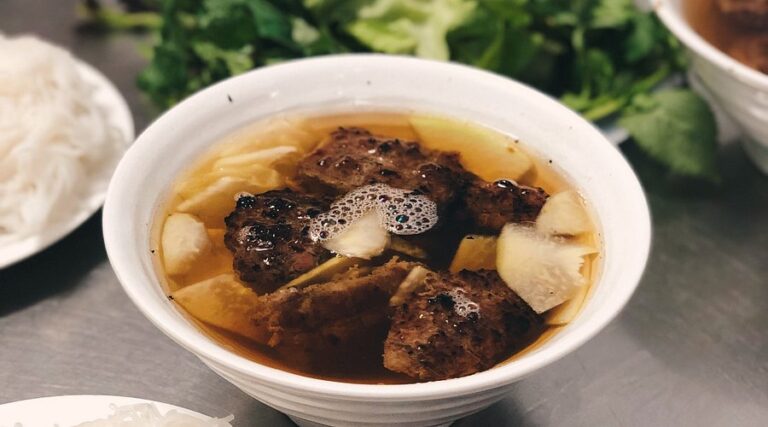
Bun Cha Huong Lien, Hanoi
Famous For Serving Obama’s Meal; Affordable Vietnamese Comfort FoodBun Cha Huong Lien is always busy, even without a Michelin star, but its Bib Gourmand award just proves what people in Hanoi already knew. This lively, family-run spot in Hai Ba Trung became famous worldwide after Barack Obama and Anthony Bourdain visited in 2016. Still, the main reason to come is the charcoal-grilled pork, smoky, well-marinated patties and sliced pork belly served with rice noodles, fresh herbs, and a bright, sweet-sour fish sauce broth.
Why Little Steps Loves It: The famous Combo Obama, bún chả, a crab spring roll, and a cold Hanoi beer, costs less than US$4 and is still one of the best value meals in Asia. The wall of presidential photos, the sound of stainless-steel tables, and the smell of charcoal from the kitchen make eating here just as much about the experience as the food.
Who It's Perfect For: Families, people visiting Hanoi for the first time, and anyone looking for a real, simple Vietnamese lunch with a bit of history. The mild, fresh flavors of bún chả are great for kids, and the lively setting is fun for everyone.
What Should I Order At Bun Cha Huong Lien? The Combo Obama is the top pick! Bún chả, crab spring rolls, and a Hanoi beer or soft drink. The grilled pork patties come sizzling in broth, and you dip the noodles and herbs as you eat. It's simple, smoky, and hard to resist.
What Is The Atmosphere Like? The place feels refreshingly simple, with stainless steel tables, plastic stools, and several floors full of locals and tourists. A wall of photos shows its time in the global spotlight. Service is quick and efficient.
What Does It Cost? The full Combo Obama costs about 80,000 to 100,000 VND (less than US$4), making it one of the best value meals here. Even a big meal for a family of four usually costs less than US$15.
Bun Cha Huong Lien, 24 P. Lê Văn Hưu, Phan Chu Trinh, Hai Bà Trưng, Hà Nội, Vietnam, +84 24 3943 4106, https://www.facebook.com/bunchahuonglienobama/
-
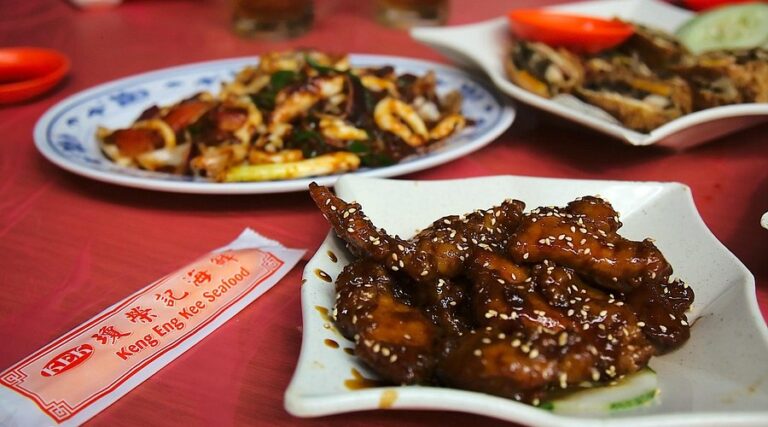
Keng Eng Kee Seafood, Singapore
Well-Loved For Family Style Dining And Affordable Seafood ClassicsKeng Eng Kee Seafood is definitely the mainstay in Singapore's zi char scene, which is all about home-style Chinese cooking served in big portions for sharing at communal tables. The original Bukit Merah location has received the Michelin Bib Gourmand award several times because of its consistent quality and value. Families and groups keep coming back for generous plates of chili crab, moonlight hor fun, salted egg squid, and coffee pork ribs, all cooked with real wok hei.
Why Little Steps Loves It: KEK serves Singapore comfort food at its most genuine and welcoming. It’s a spot where dishes keep coming, everyone shares, and the final bill is always a pleasant surprise. For families who want to try real local zi char instead of run-of-the-mill touristy seafood spots, this is the place to go.
Who It's Perfect For: Families, groups, and anyone looking for a classic Singapore communal dining experience. The menu is full of rich, saucy, wok-cooked favorites that appeal to all ages and tastes, including kids who often enjoy the sweeter, saucier dishes.
What Should I Order At Keng Eng Kee? The moonlight hor fun is the signature dish here, with silky flat noodles in a rich sauce and a raw egg cracked on top at your table. Salted egg squid, coffee pork ribs, and chili crab are also must-tries. Don’t be shy! Order more than you think you’ll need.
What Is The Atmosphere Like At KEK? The place is lively, loud, and refreshingly down-to-earth. Tables fill up quickly, dishes come out fast, and the energy of a busy zi char restaurant on a warm Singapore night is something special. Bring your appetite and a group of friends.
What Does It Cost? Most zi char dishes cost between SGD $12 and $20 (about US$9 to $15). A generous meal for four usually comes to around US$20 to $25 per person, which is great value for food of this quality.
Keng Eng Kee Seafood, 1/A Tampines Street 92, Singapore, +65 6979 3668, contact.us@kek.com.sg, http://www.kek.com.sg/
-
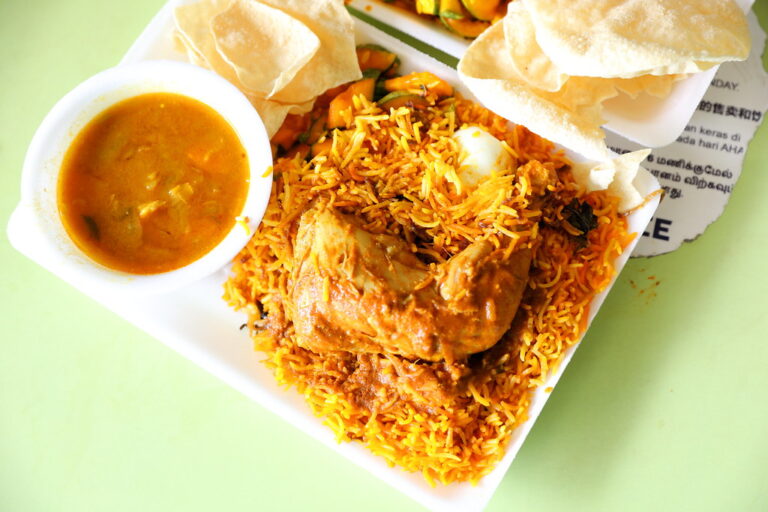
Allauddin’s Briyani, Singapore
Michelin-Recommended Hawker Stall Specializing In Rich BiryaniAllauddin's Briyani has been a staple in Little India since 1968, serving up consistently great biryani at fair hawker prices from its Tekka Centre stall. The rice is cooked in big pots with its own blend of spices and comes with tender mutton, chicken, or fish. Each plate is served with an egg, pickled vegetables, and a hearty scoop of dalcha on the side.
Why Little Steps Loves It: Allauddin's shows why Singapore's hawker culture is UNESCO-listed. The family recipe has stayed the same since 1968, served at shared tables in a lively market, and the prices are surprisingly low for such tasty food. Enjoying a generous, fragrant plate of biryani for under US$5 is one of the best food experiences in the city.
Who It's Perfect For: Families, market explorers, and anyone at Tekka Centre who wants to try what the regulars enjoy. The bold, spiced flavors are a great way to discover South Indian-influenced Singaporean food, and the laid-back, eat-with-your-hands setting makes it a fun and immersive experience, especially for older kids.
What Should I Order At Allauddin's Briyani? The mutton biryani is the star, with fragrant long-grain basmati rice, rich spices, and tender, slow-cooked meat. The chicken and fish are just as good. The dalcha, achar, and papadum served on the side are important parts of the meal, not just extras.
What Is The Atmosphere Like? It's fast, informal, and truly authentic. You sit at shared tables, surrounded by the lively sights and sounds of Tekka Centre, and enjoy eating with your hands in the heart of one of Singapore's busiest markets. Service is quick and efficient, so take your time enjoying the food rather than the ordering process.
What Does It Cost? A big plate of biryani with all the sides costs about SGD $6 to $7 (around US$4 to $5), making it one of the best value meals here. A family of four can eat very well for less than US$25.
Allauddin’s Briyani, Singapore, 6665 Buffalo Road, Singapore, https://guide.michelin.com/en/singapore-region/singapore/restaurant/allauddin-s-briyani, https://maps.app.goo.gl/uJnpuwD99pMQpJ7r8
-
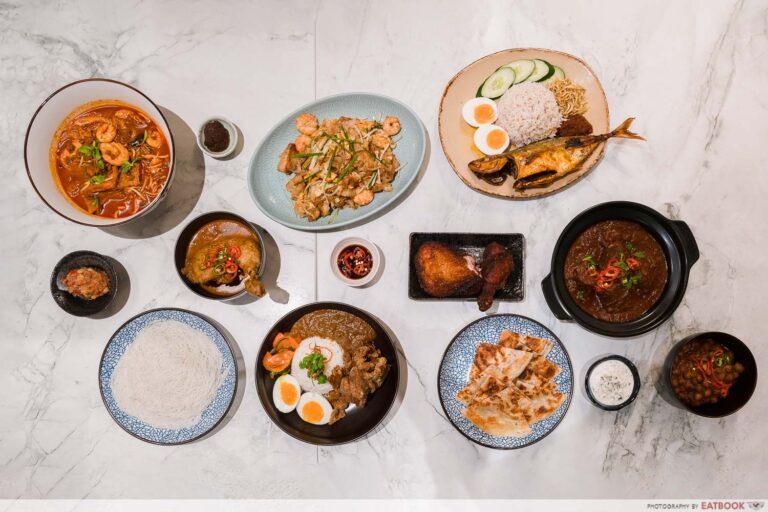
Rempapa, Singapore
Value-Oriented Singaporean Family-Style Meals, Michelin QualityRempapa is one of Singapore's most soulful dining spots. The restaurant is dedicated to preserving and celebrating the city's rich food heritage. Chef Damian D'Silva brings together Chinese, Peranakan, Eurasian, Indian, and Malay traditions to create sharing plates which reflect the flavors of Singapore's home kitchens. Dishes like beef rendang, buah keluak fried rice, Hakka pork, and sambal brinjal are all made with care and deep knowledge.
Why Little Steps Loves It: Rempapa is where the food really tells a story. Prices are set for everyday families. The lunch set menus offer some of the best heritage cooking in Singapore for under US$22 per person, making Michelin-recognized multicultural cuisine truly accessible.
Who It's Perfect For: Families, food lovers interested in Singapore's cultural history, and groups looking for a generous, friendly meal to share. The warm and friendly atmosphere, with terrazzo floors, tan banquettes, and attentive staff, is great for celebrations and casual lunches.
What Should I Order At Rempapa? The beef rendang and buah keluak fried rice are must-try signature dishes. Assam fish, Hakka pork, and sambal brinjal complete a great meal. Finish with the Nonya kueh selection, which is a beautifully curated evocation of Singapore's dessert heritage.
Do I Need To Book At Rempapa? It's best to make a reservation, especially for weekend lunch or if you have a large group. The staff are knowledgeable and happy to help first-time visitors with the menu. The restaurant also welcomes birthdays and group celebrations.
What Does It Cost? Lunch set menus are priced at around SGD $28–30 per person (approximately US$20–22), with à la carte sharing plates available at dinner. Outstanding value for cooking of this depth, heritage, and Michelin-recognized quality.
Rempapa, 1 St Andrew’s Rd, National Gallery, Singapore, +65 9459 1603, papa@rempapa.sg, https://gilmore.sg/
-
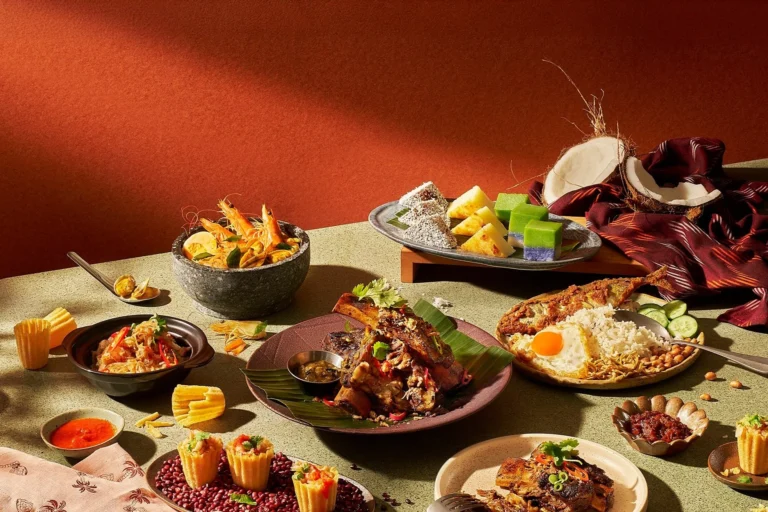
Coconut Club, Singapore
Renowned For Their Nasi Lemak, Michelin-recommendedThe Coconut Club has pulled off something special by taking Singapore's favorite everyday dish and improving every part of it, all while keeping its well-known warmth and inclusiveness. This approach has earned them a Michelin Bib Gourmand, drawing long lines from locals and making it a go-to place for travelers. Highlights include fragrant cold-pressed coconut rice, ayam goreng berempah with a rich, spiced crust, crispy ikan bilis, and a sambal which blends every flavor.
Why Little Steps Loves It: The Coconut Club shows that searching for the perfect nasi lemak is serious and rewarding. The bright shophouse, tropical decorations, and open kitchen create a welcoming spot for lunch. With sharing plates, families can try a variety of dishes instead of sticking to just one.
Who It's Perfect For: Families, food lovers enthusiastic to explore Singapore's Malay food heritage, and anyone curious about nasi lemak. The relaxed and friendly atmosphere is great for all ages, and the menu includes many options that are easy for kids to enjoy.
What Should I Order At The Coconut Club? Start with the nasi lemak set, which is the main highlight. The coconut rice by itself is worth the trip. For a complete meal, try the grilled barramundi otah, gado gado, and kueh desserts to experience the kitchen's range of regional Malay dishes.
What Makes The Coconut Club Different From Other Nasi Lemak? They carefully choose special Thai coconuts for cold-pressed milk, which gives the rice a rich, smooth texture and a deep aroma that stands out. Every part of the dish, from the sambal to the ikan bilis, gets the same careful attention.
What Does It Cost? Lunch sets start at around SGD $25 (approximately US$18) per person, with sharing plates available across the menu. Generous, fairly priced, and exceptional value for Bib Gourmand-recognised cooking in a beautifully designed space.
Coconut Club, 269 Beach Road, Singapore, Singapore, info@thecoconutclub.sg, https://www.thecoconutclub.sg/
-
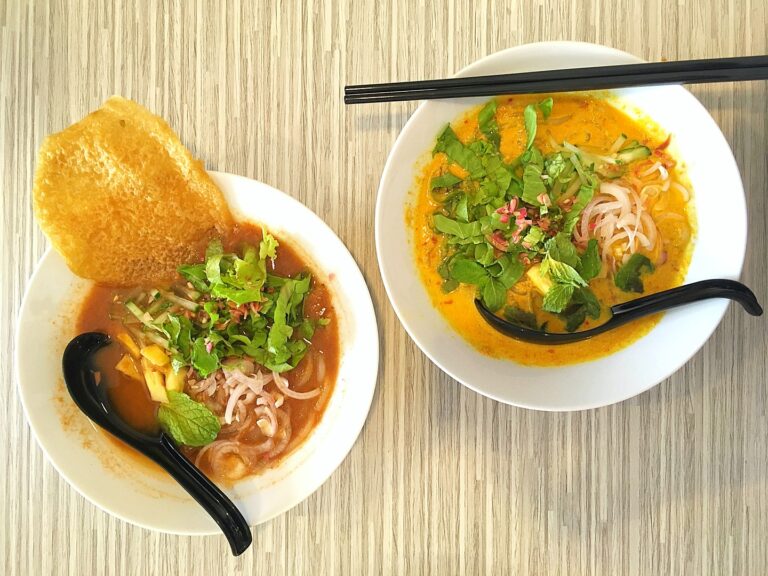
Laksalicious, George Town, Malaysia
Bib Gourmand Spot Offering Classic LaksaLaksalicious brings together two of Penang's most iconic laksa traditions in a cheerful, family-run spot on Hutton Lane, right in the heart of George Town's UNESCO heritage area. The Michelin Bib Gourmand award confirms what regulars already love, choosing between the tangy, fish-forward Penang Assam Laksa and the rich, coconut-filled Nyonya Laksa Lemak is one of the best food dilemmas in Malaysia. Both are made here with real care and quality.
Why Little Steps Loves It: Laksalicious finds a sweet spot that is surprisingly rare in Penang's hawker-heavy food scene. It offers the quality and personal friendliness of a family-run kitchen, along with air-conditioned comfort, clean surroundings, and staff who truly enjoy helping guests with the menu. For families with young children or anyone new to Penang, it's a great way to try Nyonya flavors without the heat and bustle of an outdoor hawker center.
Who It's Perfect For: Families, first-time visitors to Penang, and anyone curious about the difference between the two famous laksa styles in a relaxed, welcoming place. The friendly staff make it easy for younger diners and anyone new to Malaysian food to enjoy their meal.
What Should I Order At Laksalicious? Order one Assam Laksa and one Nyonya Laksa Lemak between two and compare. The contrast between the two broths is a demonstration of Penang's culinary range. Add the crispy prawn crackers, house-made fritters, and gula melaka cendol for dessert to complete the full experience.
What Is The Difference Between The Two Laksa Styles? The Penang Assam Laksa is tangy, tamarind-soured, and fish-based, bold, sharp, and intensely savoury. The Nyonya Laksa Lemak is richer and creamier, built on coconut milk with a gentler, more fragrant spice profile. Essential Penang eating!
What Does It Cost? Signature laksa bowls are priced at under RM13 (approximately US$3), with a full meal including sides and dessert comfortably achievable for under US$8 per person — exceptional value for Bib Gourmand-recognized cooking in a comfortable, air-conditioned setting.
Laksalicious, 117-117A, Jalan Hutton, George Town, 10050 George Town, Penang, Malaysia, +60 4-229 9178, https://www.instagram.com/laksaliciouspenang/?hl=en
-
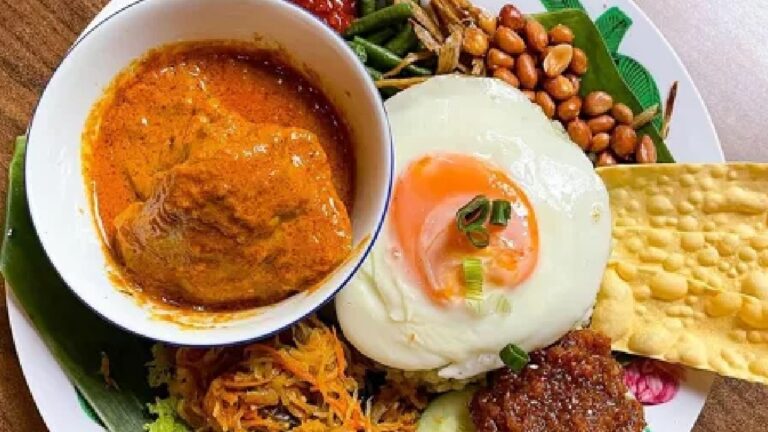
Penang Road Famous Jin Kor Char Kuey Teow, Malaysia
Affordable Michelin-Recognized Noodle StallJin Kor Char Kuey Teow has been firing individual plates of char kuey teow in pork lard at Joo Hooi Café for over four decades, earning Michelin Bib Gourmand recognition for a recipe and technique that has remained essentially unchanged since the stall first opened. Flat rice noodles, prawns, cockles, Chinese sausage, egg, and bean sprouts hit a searingly hot wok one plate at a time, the only way to guarantee the smoky, slightly charred wok hei that separates great char kuey teow from merely good.
Why Little Steps Loves It: Jin Kor is a living piece of George Town food history, now carried forward by the proprietor's wife, who personally fries every plate to each customer's specifications. At RM7.50 a plate, it is one of the most affordable Bib Gourmand meals anywhere in Asia, and one of the most satisfying. The Bib Gourmand has brought longer queues, but nothing else has changed, which is exactly as it should be.
Who It's Perfect For: Noodle lovers, Penang food pilgrims, and families happy to share tables with strangers inside a bustling, no-frills café setting. The customizable egg options make it easy to serve different preferences at the table, including younger diners with simpler tastes.
What Should I Order At Jin Kor Char Kuey Teow? There is essentially one dish, char kuey teow, available with chicken egg, duck egg, or no egg. The duck egg version adds a richer, creamier texture and is widely considered the definitive choice. Order one each and compare if trying for the first time.
How Long Is The Queue? Queues are a fixture, particularly since the Bib Gourmand recognition, and the individual frying method means each plate takes time. Arrive at opening or during off-peak hours between main meal rushes. Patience is rewarded significantly!
What Does It Cost? Plates start at RM7.50 (approximately US$1.60 to 1.80), making this one of the most extraordinary value meals on this entire list. A family of four eats one of Penang's most celebrated dishes for well under US$10 total.
Penang Road Famous Jin Kor Char Kuey Teow, 475, Jln Penang, George Town, Penang, Malaysia, https://maps.app.goo.gl/mqkxDa9xsffkmav66
-
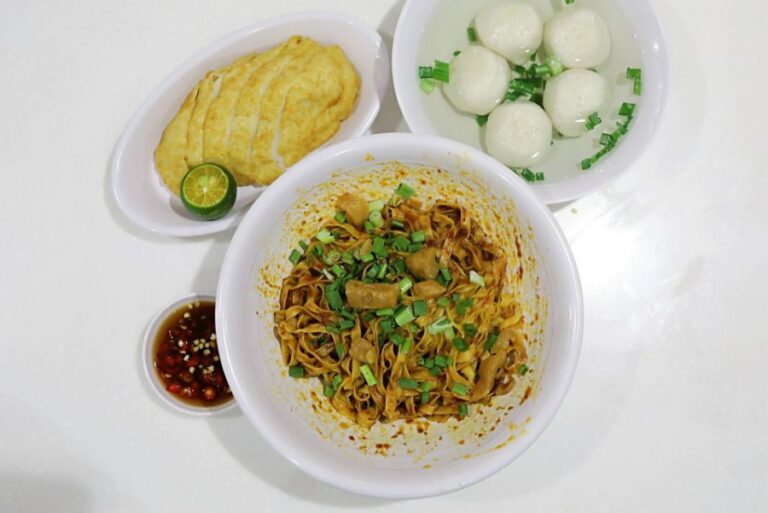
Lixin Teochew Fishball Noodles, Singapore
Bib Gourmand Fishball Noodle SpecialistLiXin Teochew Fish Ball Noodles began as a pushcart in 1968 and has grown into one of Singapore's most respected hawker institutions. It’s earned Michelin Bib Gourmand recognition for its fish balls that are still made fresh daily from yellowtail fish, without preservatives or fillers. The result is a texture and flavor that immediately distinguishes them from anything mass-produced. They are springy, clean, and genuinely delicious in either a light, peppery broth or tossed dry with mee pok noodles, homemade chili, and crunchy pork lard.
Why Little Steps Loves It: LiXin is the kind of hawker stall that explains why Singapore's food culture is so fiercely cherished, a family recipe carried forward with total integrity for over five decades, served at prices that have barely moved from their pushcart origins. A generous bowl starting at SGD $3.50 (approximately US$2.50) is one of the great eating bargains in the city.
Who It's Perfect For: Families, hawker center regulars, and anyone wanting a bowl of something clean, honest, and deeply satisfying. The mild, peppery broth version is particularly well suited to younger diners, while the dry mee pok with chili appeals to those wanting a little more punch.
What Should I Order At LiXin? The fish ball noodles are the signature in either soup or dry format. First-timers should try the dry mee pok with homemade chili and pork lard for the full Teochew experience. The dumplings and fish cake are excellent additions for a more complete meal.
Soup Or Dry — Which Should I Choose? The soup version showcases the clean, subtle peppery broth and lets the fish balls speak for themselves. The dry version adds the complexity of homemade chili and pork lard tossed through the noodles. If in doubt, order one of each if dining with a companion.
What Does It Cost? Bowls start at SGD $3.50 (approximately US$2.50), with larger portions and additional toppings available at modest increments. A thoroughly satisfying meal for a family of four is achievable for well under US$15 which is exceptional value for Bib Gourmand-recognised, preservative-free cooking.
Lixin Teochew Fishball Noodles, various locations across Singapore, customerservice@lixin1968.com.sg, https://lixinfishball.com/
-
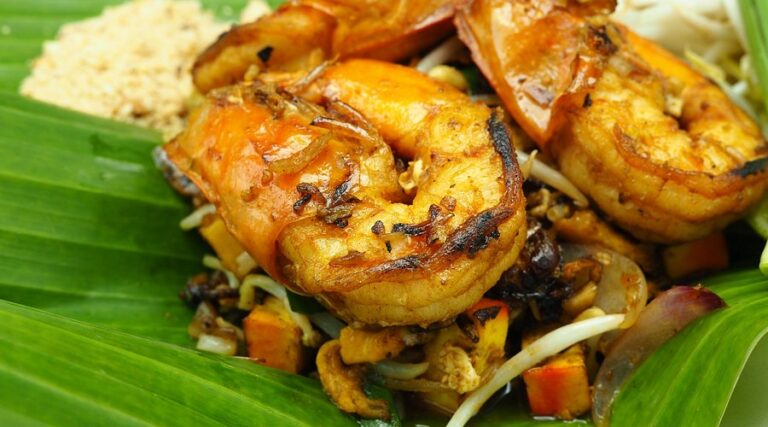
Pad Thai Fai Ta Lu, Bangkok, Thailand
Classic Pad Thai At Value Prices, Bib Gourmand WinnerPad Thai Fai Ta Lu is located near Bangkok's historic Old Town and was created by Michelin-starred chef Andy Yang. This restaurant focuses on just one dish, treating Thailand's most famous noodle with real care and skill instead of serving it as simple street food. They use gluten-free noodles, local prawns, and Berkshire pork, all stir-fried over high heat to give each plate a special flavor. The char-grilled pork loin Pad Thai, which is smoky, aromatic, and topped with bean sprouts, chives, and lime, is often called one of the best Pad Thai dishes in the city.
Why Little Steps Loves It: Pad Thai Fai Ta Lu shows what happens when a Michelin-starred chef brings skill and careful ingredient choices to Bangkok's favorite dish. The result is still the Pad Thai you know and love, but it is recognized as better than most other versions. If your family is visiting Bangkok and wants to try the city's best Pad Thai, this is the place to go.
Who It's Perfect For: This spot is great for families, food lovers, and anyone visiting Bangkok who wants to try Pad Thai made with top-level skill in a modern, comfortable setting. The familiar flavors prove it a popular pick for kids and adults.
What Should I Order At Pad Thai Fai Ta Lu? The char-grilled Berkshire pork loin Pad Thai is the signature dish and a must-have. If you prefer seafood, the prawn version is just as good. Portions are on the smaller side, so it's a good idea to order two plates for every two people to sample more of the menu.
How Does The Price Compare To Street Pad Thai? Basic plates start at 160 baht (about US$4.50), while the premium prawn and Berkshire pork options cost between THB 270 and 350 (about US$7 to $10). The prices are higher than what you would pay at a street vendor, but the quality of ingredients, cooking technique, and Bib Gourmand recognition make the difference clear right away.
What Does It Cost? A meal of two to three plates with drinks usually costs about US$15 to $20 per person. This is very reasonable for food of this quality and much more affordable than the chef's Michelin-starred restaurant.
Pad Thai Fai Ta Lu, 115/5 Dinso Rd, Wat Bowon Niwet, Phra Nakhon, Bangkok, Thailand, +66 89 811 1888, https://www.instagram.com/padthaifaitalu/?hl=en
-
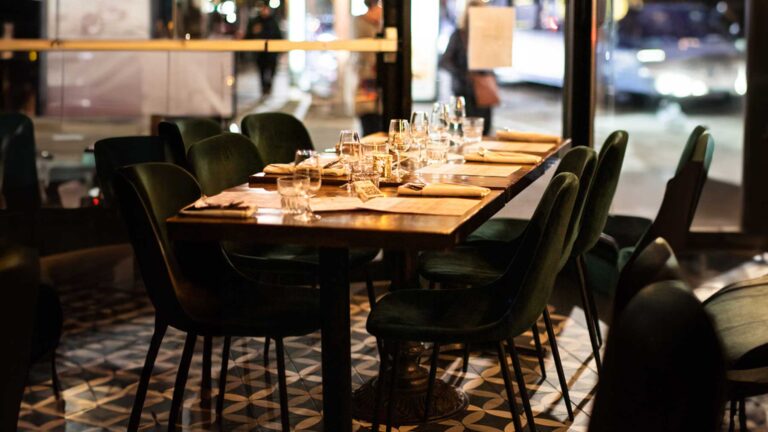
Sae Phun, Bangkok, Thailand
Authentic Local Thai Cuisine With Bib Gourmand RecognitionSae Phun is a five-generation family story told through food. In a spotless Old Town shophouse, five sisters carry on their grandfather's Thai-Chinese recipes with care and great value. The Michelin Bib Gourmand famous chicken stew with rice, Chinese sausage, and crispy fried egg is rich, savoury, and generously portioned. It is one of Bangkok's best comfort meals, especially for less than US$3.50.
Why Little Steps Loves It: Sae Phun is the kind of family-run spot that makes Bangkok's food scene so rewarding. Five sisters continue their grandfather's legacy, ordering is easy with a digital system, and menus are available in Thai and English. Meals rarely cost more than THB 120 (about US$3.30). For families exploring Old Town Bangkok, it is an ideal and easygoing place for lunch.
Who It's Perfect For: Families, Old Town explorers, and anyone looking for an authentic Thai-Chinese comfort meal in a calm and hospitable setting. The English menu and helpful staff make it especially easy for first-time visitors and younger diners.
What Should I Order At Sae Phun? The chicken stew with rice, Chinese sausage, and crispy fried egg is the highly recommended signature dish. It is deeply savory, a little sweet, and comes with a thick, glossy gravy that has built the restaurant's reputation. For more variety, try the prawn wonton noodles or braised beef rice.
What Is The Ordering Experience Like At Sae Phun? Ordering is digital and simple. Staff are ready to help with spice levels and condiment choices so you can customize your meal. The menu is in Thai and English, so you can easily see all your options.
What Does It Cost? A full meal rarely exceeds THB 120 (approximately US$3.30) per person, placing Sae Phun among the most extraordinary value Bib Gourmand experiences in Asia. A family of four eats generously, comfortably, and exceptionally well for well under US$15.
Sae Phun, 490 Thanon Tanao, San Chao Pho Sua, Phra Nakhon, Bangkok, Thailand, +66 061 994 7171, https://maps.app.goo.gl/HomtFqsz9PyZBxpu5
-
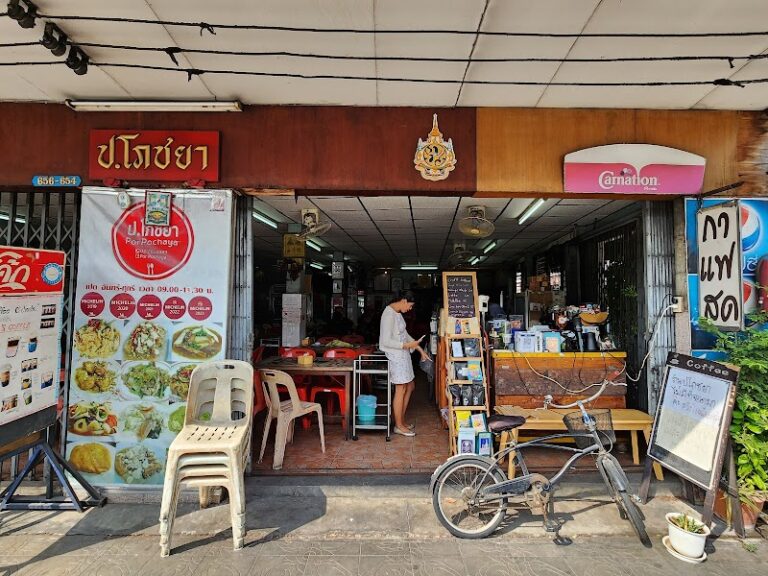
Por. Pochaya, Bangkok, Thailand
Traditional Thai Dishes With Budget-Friendly MenusFor more than thirty years, Por. Pochaya has served Phra Nakhon's office workers, market regulars, and food lovers. The restaurant has earned Michelin Bib Gourmand recognition for its small but well-crafted menu of Thai-Chinese comfort food, all prepared and served by the owners. Dishes like the crab omelet, stir-fried beef with cumin leaves, morning glory with garlic, and especially the tender braised pork keep customers coming back. With prices at THB 100–200 (about US$2.75 to 5.50) per plate, it is easy to see why people are so loyal.
Why Little Steps Loves It: Por. Pochaya shows how doing a few things very well can make a big difference. The owners take your order themselves, and the illustrated menu helps non-Thai speakers choose easily. The cozy upstairs area is a great place to escape Bangkok's midday heat and noise. For families exploring the old town, it is a friendly and satisfying place for lunch.
Who It's Perfect For: Families, people exploring Old Town Bangkok, and anyone who wants to eat where locals go instead of tourist spots. The illustrated menu and friendly owners make it easy and comfortable for first-time visitors and younger diners to order with confidence.
What Should I Order At Por. Pochaya? The braised pork is the signature dish, slow-cooked until it is very tender and full of flavor. The crab omelet, stir-fried beef with cumin leaves, and morning glory with garlic are also must-tries. Order a few dishes to share so you can enjoy the best of the menu.
When Is The Best Time To Visit Por. Pochaya? Lunch hours are the busiest, packed with nearby office workers and regulars who have been eating here for years. Arriving just before the lunch rush or after 1.30pm offers a more laid-back experience, though the energy of a full house is very much part of the charm.
What Does It Cost? Plates are priced at THB 100 to 200 (approximately US$2.75 to 5.50), with a generous shared lunch for two comfortably achievable for well under US$15. One of the most remarkable value Bib Gourmand meals in Bangkok's already extraordinary food landscape.
Por. Pochaya, 654-656 Wisut Kasat Road, Ban Phan Thom, Phra Nakhon, Bangkok, Thailand, +66 2 282 4363, https://maps.app.goo.gl/5CF2Ai2QSZJLqZih6, https://guide.michelin.com/us/en/bangkok-region/bangkok/restaurant/por-pochaya
-
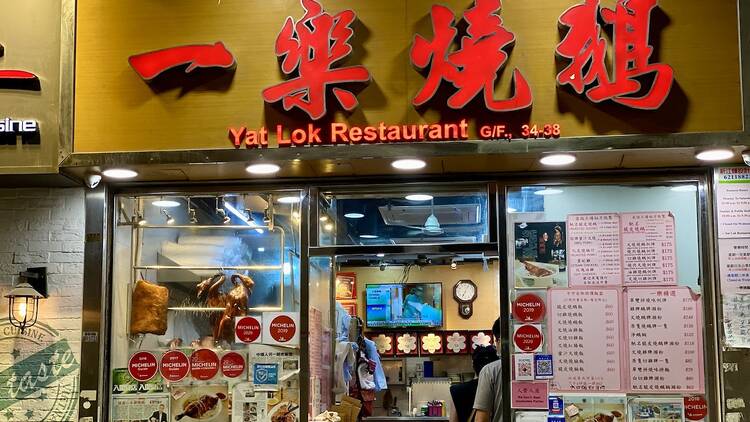
Yat Lok, Hong Kong
Legendary For Its Roast Goose Since 1957!Yat Lok has been roasting geese in Central since 1957. The family’s careful 20-step process, which includes a secret marinade, precise temperatures, and years of experience, has earned them a Michelin star and a line that stretches down Stanley Street at every meal. Their roast goose stands out for its crispy skin and juicy, fragrant meat. It’s best enjoyed over rice with sweet plum sauce in their simple dining room, which has hardly changed over the years.
Why Little Steps Loves It: Yat Lok is one of Hong Kong’s top food spots. Here, celebrity chefs and construction workers line up together for the same bowl of rice and roast goose, all knowing it’s one of the city’s best meals. The price is much lower than you’d expect for this level of quality.
Who It's Perfect For: Families, Cantonese food fans, and visitors who want to experience Hong Kong’s roast meat culture. The quick, straightforward service and small dining room are ideal for people who want to eat well and don’t mind a fast meal. Here, the focus is all on the food.
What Should I Order At Yat Lok? Start with the roast goose, order the drumstick with rice for the classic experience, or try a mixed plate to taste more options. The char siu pork and soy-flavored chicken are also excellent and make a great addition for a full Cantonese roast meat meal.
How Long Is The Queue At Yat Lok? There are always lines during busy lunch and dinner times, especially on weekends. If you arrive when they open or between rush hours, you’ll wait much less. The dining room empties quickly, so the line moves faster than it seems.
What Does It Cost? A goose drumstick with rice costs about HKD $90 to 120 (around US$11 to 15), so you can enjoy a Michelin-starred Cantonese meal for a great price. A full roast meat meal for two is less than US$35.
Yat Lok, Central, Stanley Street, Hong Kong, +852 2524 3882, https://maps.app.goo.gl/39V1GXynb1K2bZQMA
-
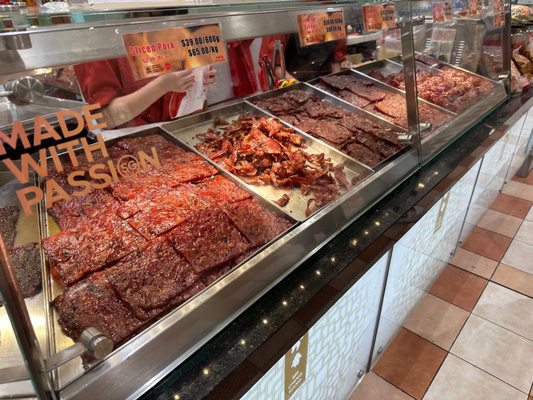
Bee Cheng Hiang BBQ, Singapore
Grilled Meats Featured In Bib Gourmand ListsBee Cheng Hiang has been grilling bak kwa over charcoal since 1933. The sight and smell of caramelizing pork slices in their flagship stores is one of Singapore's most recognizable sensory experiences. Michelin recognition for this sweet, smoky, deeply umami barbecued pork jerky, grilled to a perfect balance of caramelized edges and juicy, tender meat, is one of the city's most iconic and addictive foods.
Why Little Steps Loves It: Bee Cheng Hiang is an edible Singaporean heritage. The 90-year-old recipe is still grilled over charcoal, still draws queues during festive seasons, and is still the go-to gift for anyone leaving the city with something delicious. The newer Grillery locations add a bistro feel and bak kwa tasting flights, making it a memorable experience.
Who It's Perfect For: Families, food souvenir hunters, and anyone who wants to try one of Singapore's most beloved culinary traditions in its most authentic form. The sweet, smoky flavors appeal to children and adults, and a freshly grilled piece straight from the counter is food you definetely won't forget.
What Should I Order At Bee Cheng Hiang? Start with a freshly grilled slice of classic pork bak kwa, eaten warm at the counter. If you prefer a softer texture, try the minced pork version. At Grillery locations, you can enjoy bak kwa tasting flights paired with wine and a creative bistro menu for a more elevated experience.
What Is The Grillery Experience? Bee Cheng Hiang's Grillery bistro locations turn bak kwa into a full dining experience, with tasting flights, curated wine pairings, and a creative menu built around the brand's signature flavours. It's a big step up from the takeaway counter but still retains the same welcoming spirit.
What Does It Cost? Bak kwa costs about SGD $21 to $74 per kilogram (around US$15 to $55), depending on the cut and style. A few generous slices for snacking cost much less. Grillery bistro dining is priced for a sit-down experience but is still very reasonable for the quality you get.
Bee Cheng Hiang BBQ, 1359 Serangoon Road, Singapore, +65 6500 0888, bch@bch.com.sg, https://www.beechenghiang.com.sg/
-
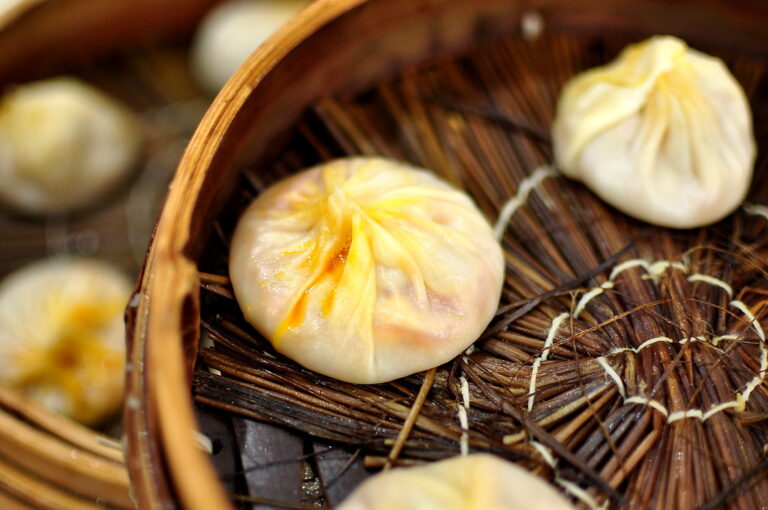
Jia Jia Tang Bao, Shanghai, China
Famed For Its Steaming Xiao Long Bao, Michelin-Starred Comfort Food Under US$8Jia Jia Tang Bao shows up on every serious Shanghai food list for good reason. This busy, no-frills spot on Huanghe Road is famous for its handmade xiao long bao, which are steamed to order and often sell out early. The dumplings have thin wrappers, careful pleats, and are filled with hot, flavorful broth and well-seasoned pork. Locals use these soup dumplings as the standard for all others.
Why Little Steps Loves It: Jia Jia Tang Bao offers one of Shanghai's most iconic food experiences at a surprisingly low price. You get a full basket of a dozen expertly made dumplings for just a few US dollars, sharing tables with locals, food tourists, and sometimes even international chefs. For families visiting Shanghai, this meal is not to be missed.
Who It's Perfect For: Families, dumpling fans, and anyone visiting Shanghai who wants to try xiao long bao that are authentic and skillfully made. The simple, shared setting is part of the charm. Come hungry, enjoy your meal, and be sure to get in line early.
What Should I Order At Jia Jia Tang Bao? Start with the classic pork xiao long bao, which is highly recommended and set the standard for the rest. The crab, shrimp, and pork-and-egg-yolk dumplings are also great choices, but they sell out fast, so order them early. It's a good idea to order more baskets than you think you'll need.
How Do I Eat Xiao Long Bao Properly? Place a dumpling carefully onto a spoon, nibble a small opening in the skin, sip the hot broth first, then add a little black vinegar and ginger dipping sauce before eating the rest in one go. Rushing this process, or biting straight in, results in a lapful of soup. A rookie mistake only made once!
What Does It Cost? A basket of twelve dumplings is priced at around RMB 20 to 45 (approximately US$3 to 6) depending on filling, making a generous shared feast of multiple baskets achievable for well under US$20 per person — remarkable value for handmade dumplings of this quality and Michelin Guide recognition.
Jia Jia Tang Bao, 90 Huanghe Road, People's Square, Huangpu, Shanghai, China, +86 21 6327 6878, https://maps.app.goo.gl/JzchNhg9SVBrUxyZA
-
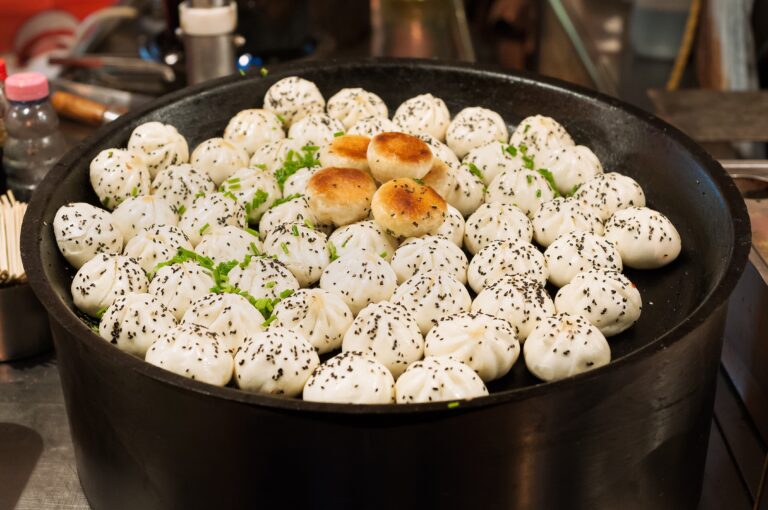
Yang's Fried Dumpling, Shanghai, China
Crispy Dumplings Lauded By Michelin And LocalsYang's Fried Dumpling is the essential spot in Shanghai for sheng jian bao. These pan-fried pork buns have a crisp, caramelized bottom, a soft steamed top sprinkled with sesame seeds and spring onions, and a hot, juicy pork filling. Eating them takes a degree of patience and skill. At about RMB 8 for four buns (around US$1.10), this is one of the best-value meals you can find, and also one of the most enjoyable.
Why Little Steps Loves It: Yang's shows off Shanghai street food at its best. You hear the buns sizzle on big iron skillets, see the line stretching outside, and join the lively rush to grab a tray and find a spot. That first bite, full of broth, pork, and crispy base, is heavenly. For families visiting Shanghai, this is a can't-miss, memorable, and very affordable experience.
Who It's Perfect For: Families, first-time visitors to Shanghai, and anyone interested to try the city's most famous street food in a true local setting. The standing-room setup and busy vibe are great for adventurous eaters of any age. Older kids especially enjoy the food and the spirited atmosphere.
What Should I Order At Yang's Fried Dumpling? The classic pork sheng jian bao is a must. They come four to a basket, straight from the skillet, and are best eaten right away. Order more than one basket, these buns go fast, and the line moves quickly enough that you can easily go back for seconds.
How Do I Eat Sheng Jian Bao Without Burning Myself? This is key! Bite a small hole in the side of the bun first and sip out the hot broth before eating the rest. If you bite straight in, you’ll get a burst of boiling soup. Once you get the hang of it, you’ll enjoy the perfect mix of crispy base, soft dough, and juicy pork.
What Does It Cost? Four pork buns cost about RMB 8 (around US$1.10), so a family of four can enjoy a filling snack or light meal for less than US$10. This is one of the best-value food experiences in Asia, no matter how you measure it.
Yang's Fried Dumpling, Hongyi Plaza, 1层299 Nanjing Rd (E), 299, Huangpu, Shanghai, China, https://maps.app.goo.gl/76jkoK4VGWBqq4UZA
-
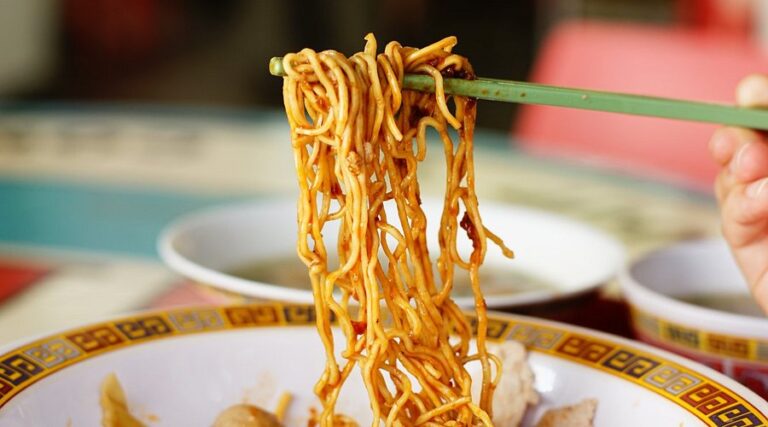
Hill Street Tai Hwa Pork Noodle, Singapore
Hawker-Style Bak Chor Mee With A Michelin StarHill Street Tai Hwa Pork Noodle has been serving bak chor mee at its Crawford Lane coffeeshop since the 1930s. Second-generation hawker Tang Chay Seng has kept every part of the original recipe, showing his dedication that earned the stall a Michelin star in 2016 and every year since. The bowl features springy noodles tossed in black vinegar, chilli, lard, and a secret seasoning, then topped with minced pork, sliced liver, dumplings, and crispy fish. It is one of Singapore's most carefully made and satisfying dishes.
Why Little Steps Loves It: Tai Hwa shows what makes Singapore's hawker culture so special. You get a Michelin-starred meal for SG$6 to 10, cooked to order by the same family who started the stall almost a hundred years ago. Diners eat at plastic tables in a simple coffee shop. The queue, the wait, and that first bite are all part of an experience you won't find in any restaurant in the city.
Who It's Perfect For: Singapore food fans, hawker culture lovers, and anyone curious about why bak chor mee is so beloved by locals. Older children and adults will enjoy the bold, vinegary, and spicy flavors. This bowl is full of complex seasoning, not a mild or simple dish.
What Should I Order At Tai Hwa? There is one main dish, bak chor mee, which comes in different sizes and with optional extra toppings. The standard bowl includes minced pork, liver, dumplings, and crispy fish, and is the best choice. Let them know your preferred noodle type and how spicy you want it when you order.
How Long Is The Queue At Tai Hwa? There are always queues, and during busy times, you might wait 45 to 60 minutes. Each bowl is cooked one at a time, so the wait cannot be avoided, but it is worth it. If you visit on weekdays outside of lunch and dinner hours, you will wait less.
What Does It Cost? Bowls cost SG$6 to 10 (about US$4.50 to 7.50), depending on the size and toppings. This makes a Michelin-starred meal at Tai Hwa one of the best values in global dining, especially in Singapore's outstanding hawker scene.
Hill Street Tai Hwa Pork Noodle, 466 Crawford Lane, Singapore, +65 9272 3920, https://taihwa.com.sg/
-
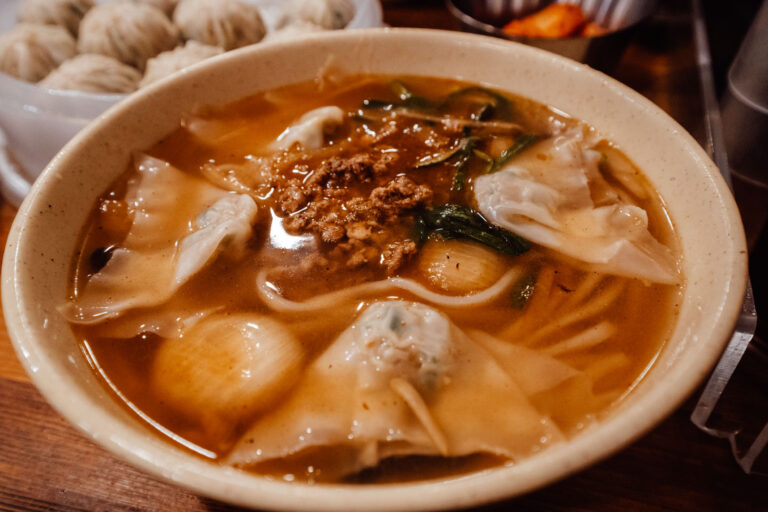
Myeongdong Kyoja, Seoul, South Korea
Michelin-Recognized Knife-Cut Noodles And Dumplings Under US$10Myeongdong Kyoja has been serving a simple menu of knife-cut noodles and handmade dumplings at the same Myeongdong location since 1966. The restaurant has earned Michelin Bib Gourmand recognition for its tried-and-true approach. Their kalguksu, made with thick hand-cut wheat noodles in a rich chicken and pork broth, topped with kimchi and spring onions, is one of Seoul's most comforting and reliable dishes. The plump, generously filled mandu are the perfect side.
Why Little Steps Loves It: Myeongdong Kyoja has built its reputation over sixty years by focusing on just a few dishes and doing them exceptionally well, instead of relying on variety or fancy décor. The line moves quickly, solo diners and families are seated easily, and food arrives hot within minutes. This makes it one of the most efficient, affordable, and satisfying lunch spots in central Seoul, especially for families on the go.
Who It's Perfect For: Families, first-time visitors to Seoul, and anybody exploring Myeongdong who want to eat where locals have gone for generations. The mild, savory broth and soft noodles are great for kids, and the simple seating policy makes it easy for groups of any size.
What Should I Order At Myeongdong Kyoja? The signature dish is the kalguksu, a generous bowl of hand-cut noodles in a rich broth that draws the crowds. Add some mandu for the table; these pork and vegetable dumplings are plump, well-seasoned, and go perfectly with the noodles. Since the menu is short, ordering everything is a good option.
How Long Is The Queue At Myeongdong Kyoja? There is usually a line, but it moves quickly because the kitchen is very efficient and tables turn over fast. During peak lunch hours, you might wait 20 to 30 minutes. Arriving just before noon or after 1:30 pm can help you avoid the longest waits.
What Does It Cost? Most main dishes cost between KRW 10,000 and 12,000 (about US$7 to $9). A full meal of noodles and dumplings for two people is usually under US$20, which is great value for Bib Gourmand-recognized food in one of Seoul's busiest neighborhoods.
Myeongdong Kyoja, 29 Myeongdong 10 gil, Jung gu, Seoul, South Korea, +82 2 776 5348, http://www.mdkj.co.kr/en/
-
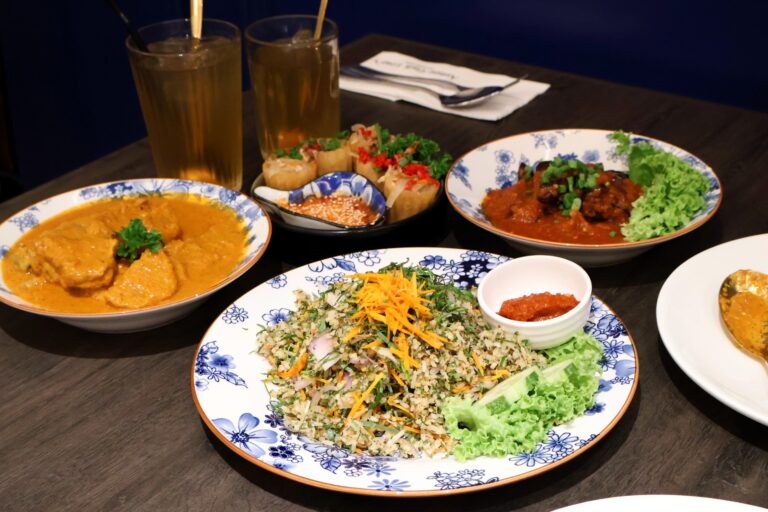
Auntie Gaik Lean’s Old School Eatery, Penang, Malaysia
Heritage Peranakan Cuisine With A One-Star Price Tag That Stays Down-To-EarthAuntie Gaik Lean's Old School Eatery is one of Asia's most charming Michelin-starred restaurants. Set in a tiled-floor, nostalgic George Town shophouse, Auntie Gaik Lean personally runs a kitchen dedicated to preserving her family's Peranakan recipes from Penang. Dishes like Curry Kapitan, Nyonya beef rendang, lor bak, otak otak, sambal brinjal, and herb-filled nasi ulam are prepared with the skill and care that come from years of wisdom and a true passion for tradition.
Why Little Steps Loves It: Auntie Gaik Lean's is special because it offers a Michelin-starred meal that truly feels like dining at a relative's home. The sharing-plate style, friendly service, pleasant atmosphere for all ages, and reasonable prices make it one of the most enjoyable and accessible fine-dining spots in Asia. Visiting George Town without trying this meal means missing out on a big part of the experience.
Who It's Perfect For: This place is great for families, Peranakan food fans, and anyone visiting Penang who wants to try real Nyonya cooking. The generous sharing plates, mild spice levels, and warm ambience make it ideal for groups of all ages.
What Should I Order At Auntie Gaik Lean's? Be sure to try the Curry Kapitan and Nyonya beef rendang, which are the must-have signature dishes. They are full of flavor and moreish. Pair these with nasi ulam and sambal brinjal for a well-balanced meal, and finish with the black glutinous rice dessert. The staff are great at helping first-time visitors choose dishes that pair well.
What Is The Atmosphere Like? The restaurant has a charming, old-school feel with tiled floors and nostalgic décor. Families and food lovers fill every table, and nothing is just for show. It truly feels like a family kitchen that just happens to have a Michelin star.
What Does It Cost? Sharing plates here cost more than at a hawker stall but are much cheaper than most one-star restaurants. A group of three or four can enjoy several dishes for about MYR 60 to 100 per person (around US$13 to 22), making this one of the best values for Michelin-starred dining in Asia.
Auntie Gaik Lean’s Old School Eatery, 1 Lebuh Bishop, George Town, Penang, Malaysia, https://www.facebook.com/profile.php?id=100063562363254






 Recommends