



-

Hong Kong Divorce: Protecting Children’s Emotional Wellbeing During Divorce
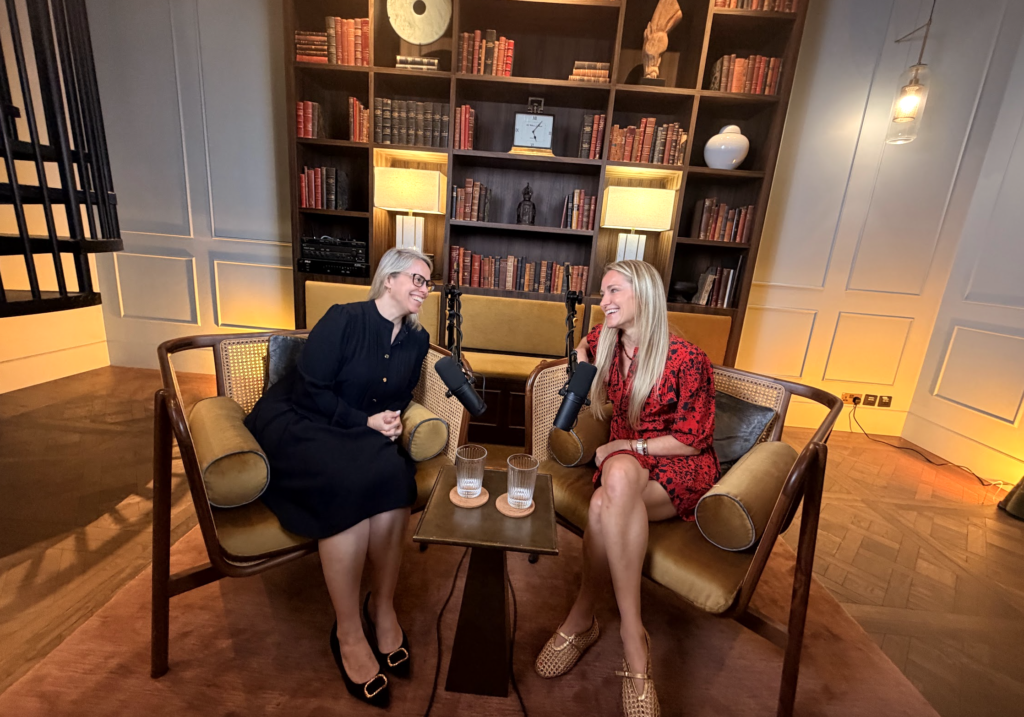
Insider Series With Vanessa DuffChildren experience separation differently depending on their age and family dynamics—no two stories are the same. Vanessa emphasizes reassuring children that the divorce is not their fault and prioritizing their emotional needs from day one.
Protecting Kids' Emotional Wellbeing During Hong Kong Divorce: Top Tips From Vanessa Duff
How does divorce affect children’s emotional wellbeing in Hong Kong families?
Every child reacts differently by age. Younger ones may regress with bedwetting or seek comfort, while older kids withdraw, act out, or feel guilty. Reassure them that the divorce is not their fault and prioritize emotional support early.
What are the signs my child is struggling emotionally after separation?
Watch for anxiety, school difficulties, aggression, withdrawal, or sudden substance use. Children may also try to “protect” a parent. Professional help and open reassurance prevent long-term issues.
How can parents avoid parentification during divorce?
Prevent kids from feeling responsible for a parent’s emotions. Maintain clear boundaries, seek your own therapy, and reassure children they don’t need to fix adult problems. Focus on stability and love from both parents.
When should I get professional support for my child during divorce?
As soon as you notice changes in behavior or mood. Early therapy, consistent routines, and communication diaries help children feel secure. Hong Kong courts emphasize child welfare and professional input.
Early support from professionals makes a world of difference. Families can emerge stronger by focusing on stability, love from both parents, and professional help.
How can families in Asia protect kids’ mental health through separation?
Prioritize emotional needs with open talk, avoid blame, and access therapy.
-

Hong Kong Divorce: Mental Health, Addiction & Neurodiversity in Family Law
Insider Series With Vanessa DuffMental health challenges like anxiety, depression, PTSD, or addictions (alcohol, gambling, substances) often surface or intensify during divorce. Neurodiversity—such as ADHD or autism in children—adds layers, sparking conflicts over testing, schooling, therapies, and care routines.
Navigating Mental Health, Addiction, Neurodiversity In A Hong Kong Divorce: Top Tips From Vanessa Duff
How does mental health affect divorce and separation for families in Hong Kong?
Mental health challenges like anxiety, depression, or PTSD often intensify during separation due to stress and trauma. Family lawyer Vanessa Duff notes that understanding these issues helps provide better legal and emotional support.
Prioritise therapy early for both parents and children to navigate the process more effectively.
Transparency, not using mental health as a "weapon," and collaborative tools like shared diaries help reduce conflict
How do Hong Kong courts generally handle cases involving neurodiversity and addiction?
Courts in Hong Kong prioritize the child's welfare, stability, and safety, often encouraging mediation, therapy, and evidence of accountability (like treatment and medication adherence).
- Neurodiversity: Courts prioritise stability and the child's best interests. Neurodiverse children often need consistent routines, so one primary home may be preferred if parents disagree on schooling or therapies. Testing and support like occupational therapy factor into decisions, with experts advising on arrangements.
- Addiction: Yes, courts focus on the child's safety. Substance abuse or gambling that leads to neglect or harm may result in supervised access or restrictions. Demonstrating accountability through treatment, testing, and rehab improves chances of shared care over time.
What financial support is available for parents with mental health issues after divorce?
Spousal maintenance may cover periods of inability to work due to depression or other conditions.
Courts assess needs, training requirements, and child-related costs like special education. Addiction-related financial dissipation can also influence asset division. Seek legal advice early.
-

Hong Kong Divorce: Practical Steps, Court Insights & Financial Realities
Insider Series With Vanessa DuffStart by seeking support: therapy for yourself and children, open communication with your legal team, and focusing on long-term co-parenting goals (like attending your child's future wedding peacefully). Courts favor shared care when safe and possible, with measures like supervised access or testing only when risks exist.
Practical Steps And Court Insights For Hong Kong Divorce: Top Tips From Vanessa Duff
How should parents start the divorce process with mental health challenges in Hong Kong?
Start by seeking support: therapy for yourself and children, open communication with your legal team, and focus on long-term co-parenting goals like attending your child's future wedding peacefully. Courts favor shared care when safe.
What should I do if my child shows signs of neurodiversity during separation?
Prioritise early testing and support despite stigma concerns. Courts emphasise stability and consistency for children with neurodiversity, including ADHD and autism.
Work with experts on schooling and therapies, putting the child's needs first.
Can addiction affect child custody decisions in Hong Kong family law?
Yes, courts assess the impact on the child. Accountability through treatment and testing can lead to shared care. Supervised access protects safety when risks like neglect exist.
What financial considerations arise with mental health or neurodiversity in divorce?
Expect spousal and child maintenance reviews, special needs costs, and possible ongoing support.
Addiction-related dissipation may influence asset division. Arrangements can be revisited as circumstances change.
What practical advice helps families navigate mental health in separation?
Top tips from Vanessa Duff: Be honest, get help without shame, think about your children's future, and remember every case is unique. Focus on co-parenting and professional support for better outcomes.





 Recommends