

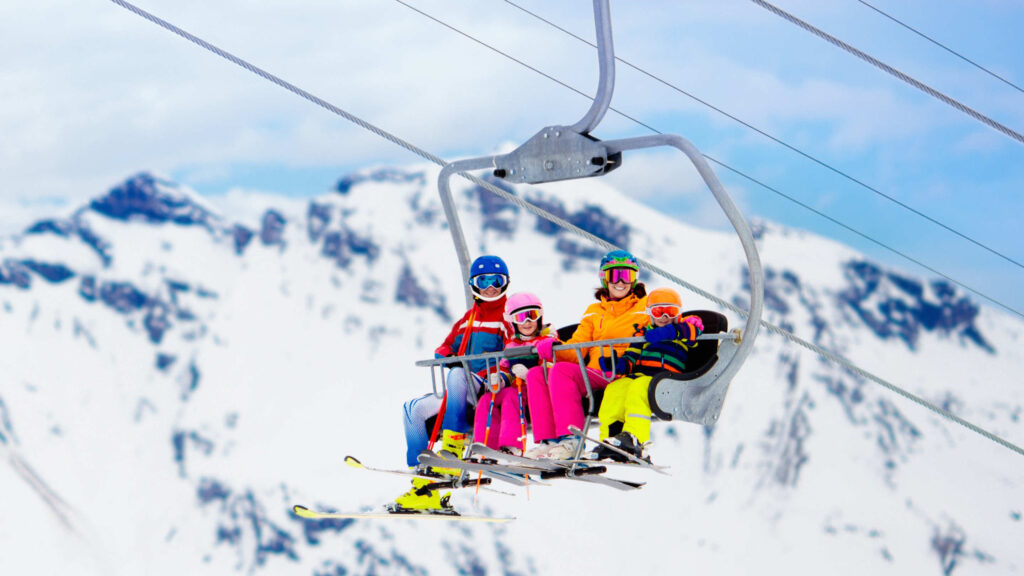
Embark on an epic winter adventure with the Little Steps Ultimate Cheat Sheet for Incredible Skiing Destinations Across the World. This essential guide saves time and takes the guesswork out of trip planning to the planet’s most coveted ski spots, from the powdery slopes of Japan to the grand landscapes of the Alps, the wild Rockies of Colorado, and the growing ski scenes of China and New Zealand.
Discover what sets each destination apart in a single glance and get practical tips on transport, resort links, and local highlights give every traveler the confidence to find the perfect match for their skills, budget, and dream experiences.
Use this guide as your go-to reference for fast comparisons, savvy budgeting, and deciding where your next slope will be, so you can focus on the thrill of the descent, the beauty of the mountains, and making unforgettable ski memories worldwide.
-
Niseko
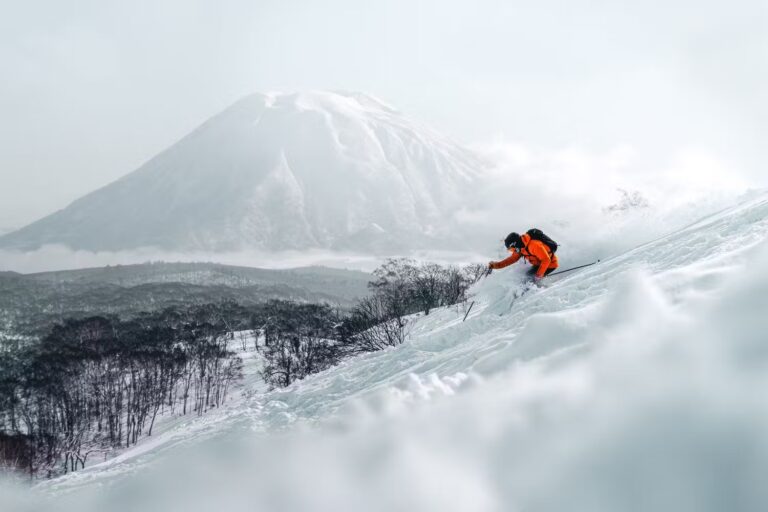
JapanNiseko, located on Japan's northern island of Hokkaido, is a globally renowned skiing destination renowned for its abundant and high-quality powder snow, which receives over 15 meters annually. The resort area, referred to as Niseko United, comprises four interconnected resorts, Grand Hirafu, Hanazono, Niseko Village, and Annupuri, offering more than 40 kilometers of ski runs. The prime ski season spans from late November to early May, with the heaviest snowfall between late December and mid-February, making Niseko a magnet for skiers and snowboarders who crave deep powder and scenic forest runs.
Travelers visiting Niseko for tourism, including skiing, can typically visit Japan under the visa waiver program for up to 90 days, depending on nationality. It's crucial to verify eligibility, as requirements may vary. Non-exempt nationalities will need to apply for a tourist visa in advance, a process that generally takes five business days, although it may be longer for some cases. Those wishing to work or stay longer must fulfill specific criteria around age, purpose, proof of funds, and passport validity.
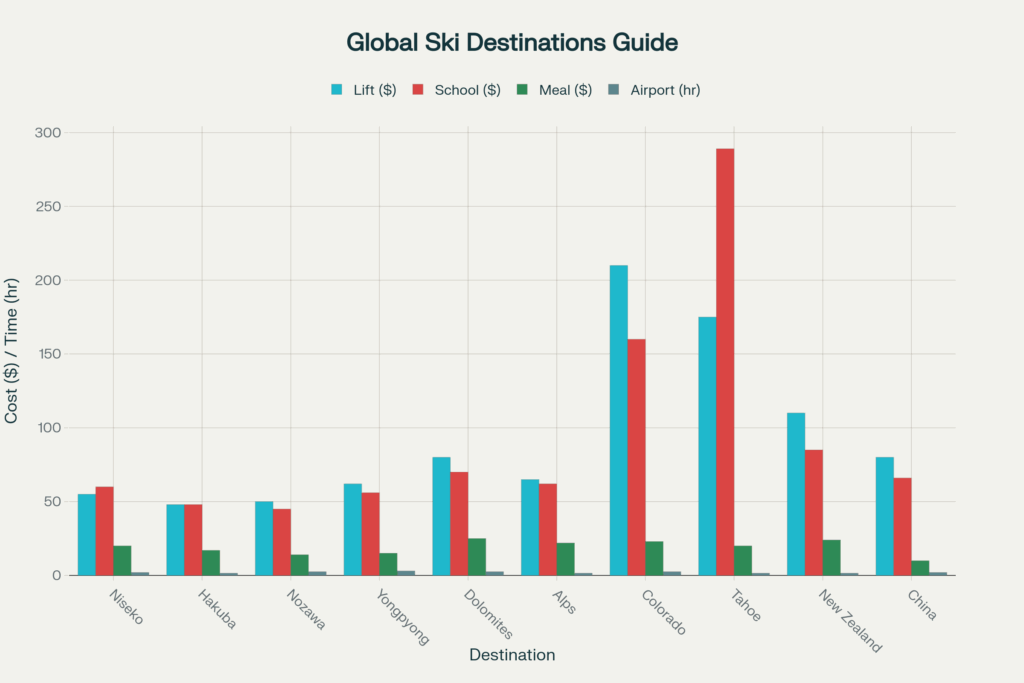
Accommodation options in Niseko range from ski-in-ski-out hotels to budget lodges and private chalets, primarily centered around Grand Hirafu. A typical adult ski lift ticket costs approximately ¥8,400 (about $55 USD) per day, with multi-day and flexible hourly tickets available for added savings. Ski school group lessons generally start around ¥8,000-¥10,000 per half-day for adults, while a meal at a mid-range restaurant averages ¥1,500–3,000. Niseko is about a two-hour drive from New Chitose Airport, with direct bus services available, and features reliable transport links both within the resort and to/from the airport. Unique factors such as its legendary snowfall, multicultural vibe, and hot spring (onsen) experiences set Niseko apart from other ski destinations in Japan and worldwide.
Read on for more in-depth information about skiing in Niseko in the Little Steps guide to Family-Friendly Guide To Niseko And Hirafu With Kids * Ski Season 2025/2026, and Why Spring Skiing In Niseko With Kids Rocks?
Niseko Tourism Board, https://www.nisekotourism.com/
-
Hakuba
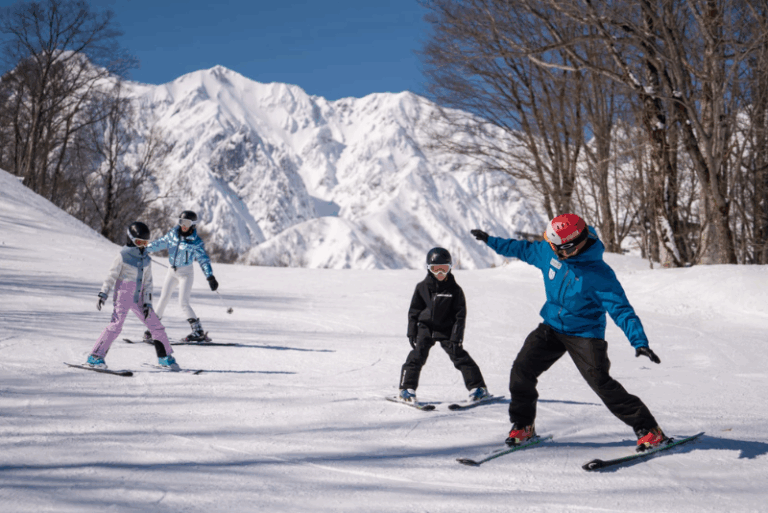
JapanNestled in the Japanese Alps in Nagano Prefecture, Hakuba is a celebrated ski destination recognized for hosting the 1998 Winter Olympics and offering some of the country's most diverse terrain. The Hakuba Valley encompasses ten resorts, including Happo-One, Goryu, and Hakuba47, collectively offering long groomed runs, tree skiing, challenging backcountry terrain, and spectacular alpine scenery. The ski season typically runs from December to early May, with Hakuba receiving approximately 11–13 meters of powder snow annually, making it an appealing destination for both local and international snow sports enthusiasts.
Most nationalities, including those from the United States, Canada, the UK, the EU, and Australia, do not require a visa for tourist visits of up to 90 days to Japan, provided they show proof of sufficient funds and a return or onward ticket. Hakuba accommodation options span from luxury ski-in-ski-out hotels and self-contained apartments to guesthouses and budget-friendly pensions, with key villages like Happo and Echoland offering lively nightlife and convenient access to the slopes. Adult ski lift tickets cost approximately ¥5,500–¥8,500 per day (around $38–$58 USD), depending on the resort and season, with discounted multi-day passes also available. Ski and snowboard school group lessons typically range from ¥6,000 to ¥10,000 for a half-day, and casual meals at local eateries average ¥1,000–2,500.
Express trains and shuttle buses connect Hukuba with Tokyo and Nagano in approximately three to four hours. The nearest international airport, Matsumoto, is about 75 kilometers (roughly 90 minutes by car or shuttle), with Tokyo's Haneda and Narita Airports also viable options for longer transfers. Unique factors include Hakuba's Olympic history, diverse terrain suiting all skill levels, epic backcountry, and the balance of authentic Japanese culture with an international resort vibe. Travelers should also consider that the main villages are spread out, requiring the use of shuttles between resorts, and that Hakuba enjoys more clear "bluebird" days compared to its northern counterparts.
Read on for more in-depth information about skiing in Hakuba in the Little Steps guide Ultimate Hakuba Ski Resort Guide: Family-Friendly Fun and Adventures for Kids!
Hakuba Valley Tourism Board, https://www.hakubavalley.com/en/
-
Nozawa Onsen
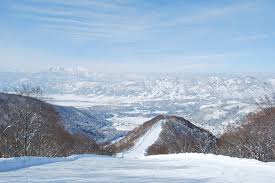
JapanNozawa Onsen is a storied ski destination in Nagano Prefecture, renowned for its welcoming hot spring village atmosphere and a ski resort that boasts 46 courses, catering to all skill levels. The mountain offers a mix of wide groomed runs, challenging mogul fields, and accessible off-piste terrain, with over 10 meters of snowfall each season. The town is dotted with traditional ryokan, inns, and family-run lodges, many of which offer access to public hot springs (onsen), providing visitors with a unique blend of skiing and Japanese culture.
Visa requirements for Nozawa Onsen mirror those for other Japanese tourist destinations: visitors from many countries, including the U.S., Canada, the EU, Australia, and others, can typically stay up to 90 days without a visa for tourism. Accommodation options range from luxury ryokan to affordable hostels and ski-in-ski-out hotels in the heart of the village or close to the slopes. A standard adult day ski lift ticket costs ¥7,300 (about $50 USD), with reduced prices for multi-day and half-day options. Group ski school lessons for adults typically cost around ¥6,500–¥8,000 for a half-day. Expect to pay ¥1,000–¥2,500 for a standard meal at a local restaurant.
Nozawa Onsen is approximately a 2- to 2.5-hour bullet train and bus journey from Tokyo, with the nearest Shinkansen stop at Iiyama Station, just 25 minutes away by shuttle or taxi. The closest international airport is Haneda; the resort is roughly 250 km from Tokyo. Nozawa Onsen distinguishes itself not only through its legendary powder but also by its charming Edo-period streets, free public hot springs, annual fire festival, and authentic local cuisine, creating a quintessential Japanese mountain experience.
Read on for more in-depth information about skiing in Nozawa Onsen in the Little Steps guide Guide To Skiing In Nozawa Onsen With Kids – Japan’s Great Secret!
Nozawa Onsen Tourism Board, https://en.nozawaski.com/explore/
-
Yongpyong
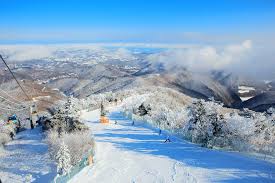
South KoreaYongpyong Resort, located in PyeongChang, South Korea, is the country's oldest and largest ski resort, renowned for its modern facilities, 28 ski runs, and its role as a host for the 2018 PyeongChang Winter Olympics. The resort is situated at elevations of up to 1,450 meters on Mount Balwangsan and receives approximately 250 cm of snow annually, resulting in a season that spans from mid-November to early April. With 14 lifts and a well-developed infrastructure, Yongpyong attracts skiers and snowboarders of every level, as well as visitors seeking vibrant après-ski activities and filming locations for K-dramas.
For visa requirements, most tourists, including those from the U.S., EU, UK, Australia, and Canada, can visit South Korea for up to 90 days without a visa, but starting January 1, 2026, most will require a Korean Electronic Travel Authorization (K-ETA) before arrival. Accommodations at Yongpyong range from luxury hotels within the resort complex (including ski-in-ski-out options) to nearby pensions and guesthouses in Daegwallyeong-myeon or Pyeongchang, offering easy access to the slopes. Adult day lift tickets cost around 84,000 KRW (about $62 USD), with half-day and night skiing options available. Ski school group lessons cost approximately 50,000–90,000 KRW per session, and a standard meal at resort restaurants ranges from 10,000–20,000 KRW.
Yongpyong is accessible from Incheon International Airport by express bus (approximately 3 to 3.5 hours, 200 km) and from Seoul by car in around 2.5 hours. Other considerations include moderate natural snowfall, complemented by comprehensive snowmaking, a wide variety of runs, English-speaking instructors, and unique experiences such as hot springs and the renowned Rainbow Paradise slope. Yongpyong's stature as an Olympic venue, combined with its deep integration into Korean culture, world-class amenities, and breathtaking views, makes it a truly unique destination in Asia.
Yongpyong Tourism Board, https://www.yongpyong.co.kr/eng/about/localattractions.do
-
Dolomites
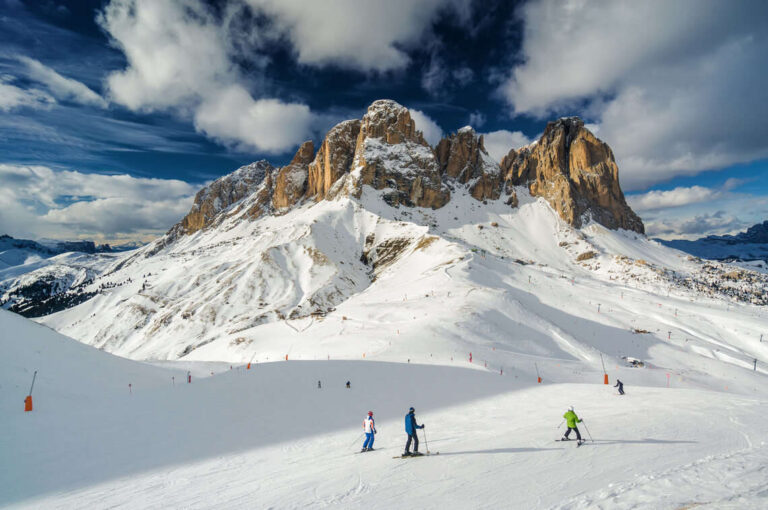
ItalyThe Dolomites in northern Italy is one of the world's most iconic and extensive ski regions, renowned for breathtaking pale limestone peaks, UNESCO World Heritage status, and the massive Dolomiti Superski network, which connects 12 resorts over 1,200 km of pistes. Visitors can explore world-famous circuits, such as the Sella Ronda, and enjoy everything from gentle slopes to steep chutes and glacier skiing. They can also relish a lively mix of Italian, Ladin, and Austrian cultures, which is enjoyed through gourmet mountain huts and rustic rifugi. The ski season runs from late November through April, with consistently excellent snowmaking and plenty of sunny "bluebird" days.
Tourists from most non-EU countries, including the U.S., UK, Canada, Australia, and New Zealand, can visit Italy for up to 90 days without a visa for tourism in the Schengen Area. Longer stays require a visa, and all travelers should carry a valid passport, proof of accommodation, and the Declaration of Presence if needed. The Dolomites offer a variety of lodging options, including luxury hotels in resort towns like Cortina d'Ampezzo, classic alpine chalets, friendly guesthouses, and rifugi located up on the slopes, many of which are ski-in-ski-out. A one-day adult ski pass for Dolomiti Superski is around €67–€83 in high season, with significant discounts for multi-day, family, and off-peak tickets. Group ski school lessons typically start at €50–€70 for a half-day, and hearty mountain meals in restaurants or huts cost an average of €15–€30.
The Dolomites are well served by airports in Venice, Innsbruck, Verona, and Milan, with transfer times ranging from 2 to 4 hours by shuttle or train, depending on the resort; Cortina is roughly 163 km from Venice Marco Polo Airport. Additional tips include using the excellent lift and slope network to explore multiple valleys, making time for legendary local cuisine such as speck, pasta, and apple strudel, and experiencing unique attractions like the World Cup races and après-ski in the rifugi. What truly makes the Dolomites unique is the combination of luminous mountain scenery, interconnected ski adventures, cultural richness, and a blend of Italian hospitality and alpine tradition found nowhere else in the world.
The Dolomites Tourism Board, https://www.dolomiti.org/en/
-
The Alps
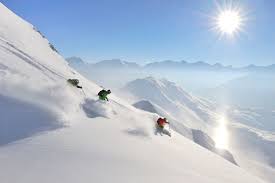
France, Switzerland, Italy, Austria, And GermanyThe Alps are the most celebrated ski region in Europe, spanning seven countries and offering more than 26,000 kilometers of ski runs across thousands of interlinked and iconic resorts from Chamonix and Zermatt to St. Anton and Courchevel. The region is renowned for its dramatic scenery, high-altitude slopes, cultural diversity, historic villages, and lively après-ski scenes. Ski areas often connect multiple towns, making it possible to travel between countries on skis. Expect skiing above and below the tree line, with everything from gentle family areas to challenging glaciers and famous off-piste terrain.
Visitors from the U.S., the UK, Australia, New Zealand, Canada, and most non-EU countries can travel visa-free for up to 90 days in the Schengen Area, which encompasses most of the Alps. Longer stays require a visa, as well as a valid passport, proof of onward travel, and health insurance, which are standard requirements. Accommodation ranges widely—from five-star spa hotels and chalets in luxe destinations, to mountain lodges, hostels, and apartments in family-friendly villages. Main-season day ski lift passes typically cost between €40 €65, though some resorts are more expensive; Swiss Alps lift tickets average about €45–€62 per day. Group ski school lessons typically cost €40–€70 per half-day, while hearty mountain restaurant meals range from €15–€25; prices are generally lower in Italy and Austria, and higher in Switzerland and France.
The Alps are exceptionally accessible, with major international airports in Geneva, Zurich, Milan, Munich, Innsbruck, and Lyon, and efficient trains, shuttle buses, or rental cars for transfers (transfer times range from 1–3 hours depending on the resort). Things to consider: altitude means reliable snow and longer seasons at higher resorts; the vast ski terrain allows multi-country trips; and mountain weather can shift rapidly, so flexible planning is ideal. What makes the Alps unique is the blend of stunning landscapes, rich traditions, gourmet food, a multi-lingual ambience, and ancient mountain villages, where legendary ski culture, modern luxury, and cross-border adventures come together on an epic scale.
Read on for more in-depth information about skiing in the Alps with these Little Steps guides The Ultimate Guide to Skiing in Switzerland With Ski Experts Powder Byrne, and Fun On The Slopes: Master Skiing And Snowboarding At The Les Elfes Ski Camp In Verbier, Switzerland
European Alpine Tourism, https://www.alp-net.eu/
-
Colorado
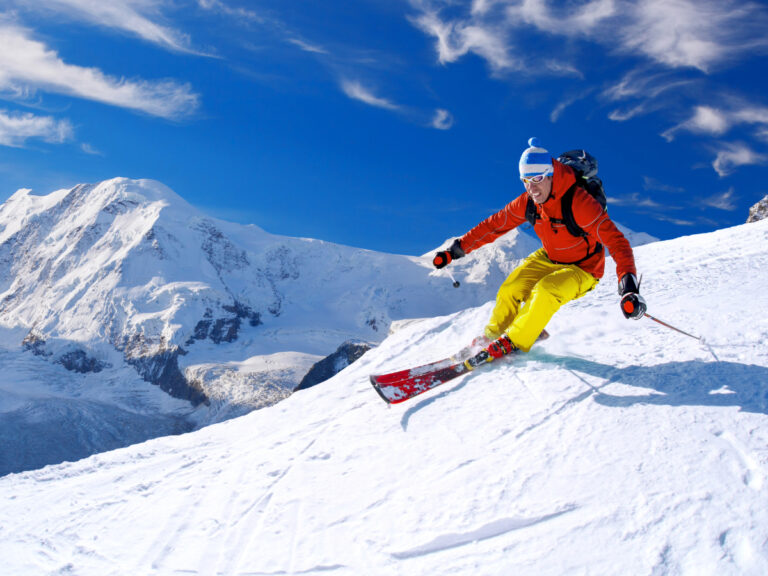
United States Of AmericaColorado is North America's top ski destination, offering over 30 ski resorts scattered throughout the Rocky Mountains and famed for its abundant light powder, consistent sunshine, and dramatic mountain scenery. Resorts such as Vail, Aspen, Breckenridge, Telluride, and Steamboat offer a diverse range of experiences, from luxury slopeside hotels to lively mountain towns, terrain suitable for every ability, and vibrant après-ski cultures. The ski season runs from late November through early April, with some areas (like Arapahoe Basin) extending into June and boasting some of the most reliable and varied terrain in North America.
Travelers from most European and key countries may visit the U.S. for up to 90 days under the Visa Waiver Program (ESTA authorization required), while others must apply for a B-2 (tourist) visa. Colorado's lodging options cater to all budgets, ranging from opulent resort hotels and condos to affordable motels and cozy cabins in classic ski villages or nearby towns. Day lift ticket prices vary widely: mid-range resorts can be found from $91–$129, while flagship experiences at Vail or Aspen can reach $329 per day during peak season. Group ski and snowboard lessons typically cost $120–$200 for a half-day, and a typical sit-down meal in a resort or mountain restaurant is expected to range from $15–$30.
Most Colorado resorts are easily accessible from Denver International Airport (approximately 2–3.5 hours' drive to major ski areas) via rental car, shuttle, or luxury bus. Eagle County Airport and Aspen/Pitkin County Airport offer closer options for certain resorts. Other factors to consider include Colorado's high elevation (many base villages are above 2,400 meters), which contributes to reliable snow but may require acclimatisation, as well as legendary events such as the Winter X Games in Aspen. Uniquely, Colorado's resorts combine vast ski terrain, sunny skies, modern amenities, and authentic Wild West mountain town ambience, creating a blend of adventure, luxury, and culture found nowhere else in North America.
Colorado Tourism Board, https://www.colorado.com/
-
Tahoe
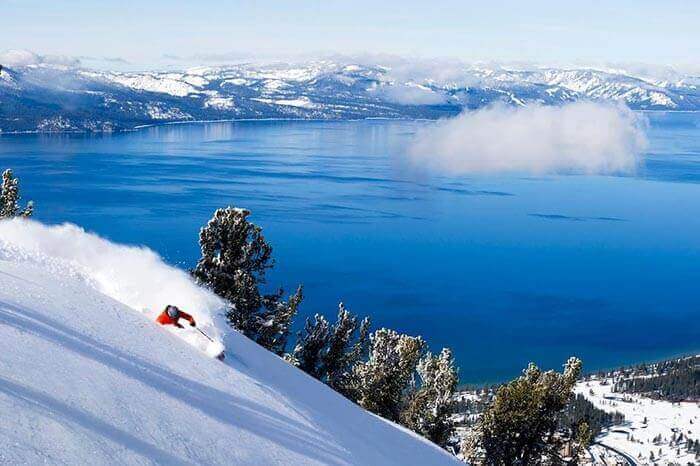
United States Of AmericaStraddling the border of California and Nevada, Tahoe is home to America’s highest concentration of ski resorts within a stunning alpine setting known for its deep blue lake, 350+ inches of annual snow, and legendary spring skiing. Resorts such as Heavenly, Palisades Tahoe (formerly Squaw Valley, host of the 1960 Olympics), Northstar, and Kirkwood offer a blend of high-altitude terrain, wooded slopes, and lively après-ski—a true four-season outdoor destination. The area’s ski season stretches from November through late April or even Memorial Day at Palisades, with nearly 300 days of sunshine each year.
Visitors to Tahoe from abroad must follow U.S. entry rules: travelers from Visa Waiver Program countries are required to apply for an ESTA, while others need a B-2 tourist visa. Stay options range from luxury slopeside hotels (such as those at Heavenly, Northstar, and Palisades) to bustling casino hotels in South Lake Tahoe, lakeside condos, value motels, and rustic cabins across towns like Truckee, Incline Village, and Tahoe City. Regular adult day lift tickets range from $150 to $250 at major resorts during peak periods, with average prices outside of holidays typically ranging from $99 to $187. Full-day group ski school lessons for adults or children are $232–$346, while private lessons range from $1,124 to $1,421. Budget resorts, such as Kirkwood, Homewood, and Tahoe Donner, offer group packages starting at $259–$300. Expect to pay $15–$25 for a meal at most on-mountain lodges or area restaurants.
The region is accessible via Reno-Tahoe International Airport (~1 hour from North Shore resorts) and Sacramento International Airport (~2 hours), with shuttle buses, rental cars, and limited Amtrak service available. Key tips: Tahoe's variable weather can result in massive snowfalls, and weekend/holiday traffic is heavy. Book ahead for parking or lessons. What makes Tahoe unique is the ability to ski gorgeous powder in the morning, relax by a pristine lake in the afternoon, and enjoy vibrant nightlife.
Tahao Tourism Board, https://visitlaketahoe.com/
-
South and North Islands
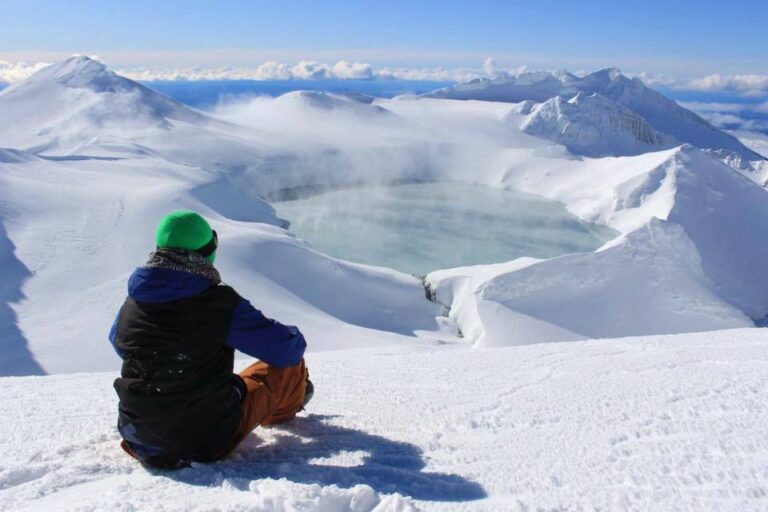
New ZealandNew Zealand is the premier ski destination in the Southern Hemisphere, renowned for its rugged mountain ranges, reliable snow from June to October, and ski resorts that seamlessly blend stunning views with lively adventure towns. The South Island's Queenstown and Wānaka offer famous resorts like The Remarkables, Coronet Peak, Cardrona, and Treble Cone—while the North Island's Mt. Ruapehu delivers unique volcanic skiing at Whakapapa and Tūroa. Visitors can choose from modern, family-friendly commercial resorts with top amenities or "club fields" that offer a backcountry spirit, along with access to heli-skiing, terrain parks, and activities such as bungy jumping, hiking, and wine tours.
Most travelers from visa-waiver countries can visit for up to 3 months with just a New Zealand Electronic Travel Authority (NZeTA), but nationals of other countries will need to apply for a visitor visa (up to 6–9 months stay). Proof of onward travel, enough funds, and a valid passport are required for entry. Accommodation ranges from luxury lakeside hotels and ski lodges to backpacker hostels, Airbnb apartments, and classic Kiwi motels—often right in lively Alpine towns like Queenstown and Wānaka, or mountain villages near the slopes. Day lift passes for adults range from NZD $90 to $175 (approximately €47 to €91), depending on the resort and season. Group ski or snowboard lessons typically cost NZD $60–$120, with private instruction starting at around NZD $150 per hour. A typical mountain meal costs NZD $18–$28 in resort cafés or pubs.
The main ski hubs are reachable from Queenstown or Christchurch airports (20–90 minutes by shuttle, car, or ski bus); Auckland serves the North Island's Mt. Ruapehu resorts. Be mindful that driving is often required, roads can be icy, and conditions can change quickly, and snow chains may be mandatory. What sets New Zealand apart is its southern ski season, adventure-packed towns, the chance to ski on active volcanoes or glaciers, a friendly local culture, and the ability to mix powder turns with wine tasting, lake cruises, or trekking, all amidst jaw-dropping scenery.
Read on for more in-depth information about skiing in New Zealand with this Little Steps guide, Guide To Skiing In New Zealand With Kids
New Zealand Tourism Board, https://www.newzealand.com/uk/
-
Beijing, Jilin, Xinjiang, and Heilongjiang
ChinaChina's ski scene has boomed in recent years, with over 700 ski resorts (and growing) spread mainly across the northeast and mountain areas near Beijing, Jilin, Xinjiang, and Heilongjiang, the largest and most famous being Yabuli, Wanlong, Chongli, and Genting Resort Secret Garden (site of the Beijing 2022 Winter Olympics). Chinese ski destinations offer a diverse range of experiences, from modern, internationally designed mega-resorts with snowmaking facilities and hotels to smaller, family-friendly slopes and even indoor ski hills in significant cities. The season typically runs from December to March, with some resorts in northern Heilongjiang opening earlier and running later into spring.
Tourist visa requirements for China include a passport valid for at least six months after the intended departure date, a completed application form, proof of hotel bookings or an invitation letter, and onward tickets. Most nationalities are required to apply at a Chinese consulate in advance. There is currently no visa-on-arrival for most tourists. Accommodation options around resorts range from international and boutique hotels to simple lodges, hostels, and private apartments, either on-mountain or in resort towns a few minutes away. Main-season day lift tickets cost roughly ¥380–¥728 (about €45–€96 or $50–$100 USD), depending on the size and prestige of the resort (Yabuli and Olympic venues at the higher end, local hills at the lower). Group ski lessons typically cost ¥350–¥600 for half a day, while restaurant meals at resorts usually range from ¥60 to ¥100 (approximately $8–$15 USD), with local places offering even better value.
Most major ski resorts are accessible from Beijing, Harbin, or Shenyang by high-speed train, domestic flight, or long-distance coach; some (like Chongli) are under 1–2 hours from Beijing's airports, while others may require several hours' travel from Harbin, Changchun, or Urumqi airports. Other tips: English may not be widely spoken so translation apps can help; snowmaking ensures skiing even in drier seasons; and ski tourism events and new attractions (like indoor slopes) are expanding every year. What makes China unique is its sheer scale, rapid modern development, Olympic legacy, chance to combine skiing with visits to ancient cities or hot pot dinners, and the novelty of emerging ski culture alongside thousands of years of history.
Read on for more in-depth information about skiing in China with this Little Steps guide Skiing With Kids At Club Med Yabuli In China
China National Tourist Office, https://www.cnto.com.sg/




 Recommends