

-
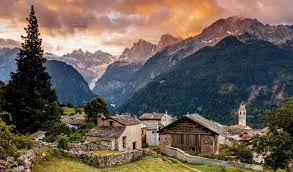
Lake Geneva And Vaud
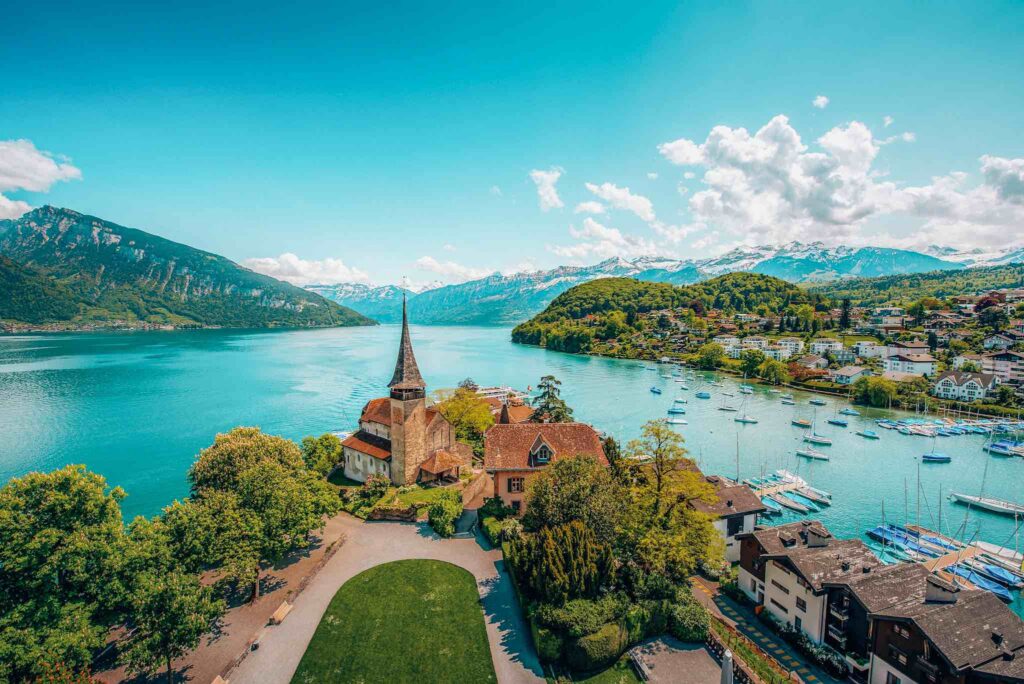
Lakeside Walks And Historic TownsThe Lake Geneva and Vaud region runs from Geneva through Nyon, Lausanne, and Montreux to the Lavaux vineyards. It offers lakeside walks, historic towns, and quick trips up to the Alps. Families can enjoy city museums, visits to the UN and Red Cross, boat rides, and wine terrace walks, along with easy weekend skiing in resorts like Villars and Leysin. This area has many international schools, with well-known boarding and day options along the lake that offer IB, British, American, and Swiss programs, plus strong language teaching in French and English. It’s a practical choice for parents who want culture, outdoor activities, and a wide range of schools in a compact, well-connected area.
-
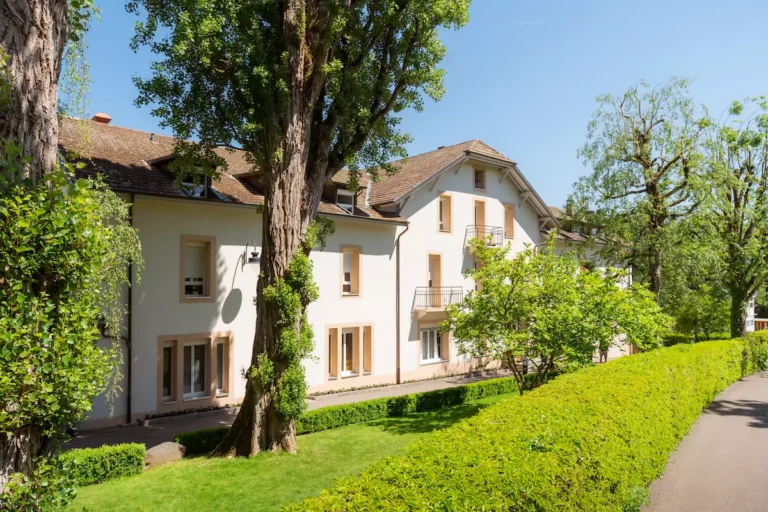
Collège Du Léman, Versoix, Geneva
Large Lakeside CampusCollège du Léman is in Versoix, just outside Geneva, with a large campus by the lake and easy access to the city and airport. The school offers several programs, including the IB and US-style diplomas, and has students from many countries. On weekends, students often take part in organized sports, spend time on the lake, or go into Geneva, which helps boarding life feel connected to the city.
Boarding houses are supervised, with controlled access and clear rules for check-ins and overnight stays. House parents, nurses, and counselors focus on students’ well-being and behavior, and the school stays in regular contact with families. This setup helps manage homesickness and daily issues quickly, so students don’t have to handle problems on their own.
Older students are allowed to go into Versoix or Geneva during set hours and must follow sign-out rules. They are expected to manage their schedules, homework, and travel responsibly. Fees are high, with day tuition in the tens of thousands of CHF per year, and full boarding with extras like trips, uniforms, and activities costing much more. Scholarships are limited. University counseling helps students apply to universities in the UK, US, Europe, and other places, and the curriculum is designed to support a wide range of international applications.
For families visiting, Collège du Léman is also a good base for a relaxing Swiss break. Versoix has a lakeside promenade, small beaches, and water sports on Lake Geneva, along with playgrounds and kid-friendly cafés, so younger siblings have plenty to do nearby. In 15–20 minutes by train or car, you can reach central Geneva, where you’ll find museums, chocolate workshops, parks, lake cruises, and family passes that include public transport and activities. This makes long weekends or school breaks feel like a city-and-lake holiday.
Collège du Léman, Route de Sauverny 74, CH-1290 Versoix, Geneva, Switzerland, +41 22 424 61 75, info@cdl.ch, https://www.nordangliaeducation.com/college-du-leman
-
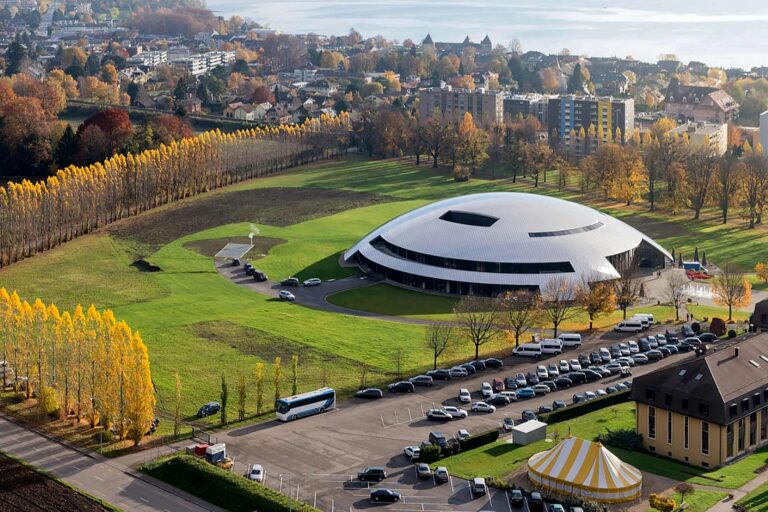
Institut Le Rosey, Rolle
Historic Parkland CampusIn beautiful Rolle, Institut Le Rosey is on the shores of Lake Geneva, with a historic parkland campus and a separate winter campus in Gstaad for part of the school year. It runs a bilingual French–English program alongside IB and other pathways, and its student body is deliberately kept small and selective, with a high concentration of international families. The year switches between lakeside life in Rolle and mountain seasons in Gstaad, so weekends can mean sailing, tennis, and cultural trips, or skiing and snow sports, depending on the term.
Boarding here follows a very structured model, with separate boys’ and girls’ houses, house parents, and clear routines around roll calls, curfews, and supervised free time. Staff oversight is close, with a strong emphasis on manners, behavior, and academic effort, and there are medical and counselling services on hand for health and wellbeing. The small scale and long-established traditions are intended to spot problems early.
Older students gain more freedom to move around Rolle and Gstaad within fixed time windows and sign‑out rules, and are expected to manage work, activities, and travel with a high level of personal responsibility. Fees sit at the very top end of the Swiss and global boarding market, with tuition and boarding running well into six figures in CHF once extras such as trips, sports, uniforms, and special programs are included; meaningful financial aid is extremely limited. University guidance is geared toward competitive UK, US, and European universities, and the school’s name recognition and alumni network can be a draw for families seeking academic options and social capital.
Le Rosey makes it easy to combine school visits into a classic Swiss holiday. In Rolle, parents can base themselves between Geneva and Lausanne, combining vineyard walks, lake cruises, and old‑town sightseeing with campus meetings and weekend meals. In winter, Gstaad offers ski slopes, mountain restaurants, and a compact village center, so a long weekend can include parent–teacher appointments, time with your child, and straightforward access to pistes and winter activities.
Institut Le Rosey, 1180 Rolle, Rolle, Switzerland, +41 21 822 55 00, rosey@rosey.ch, https://www.rosey.ch/
-
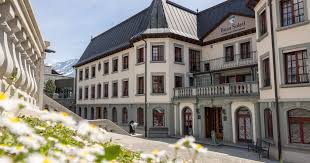
Collège Alpin Beau Soleil, Villars-Sur-Ollon
Mountains And Ski SlopesCollège Alpin Beau Soleil sits above Villars-sur-Ollon in the Swiss Alps, with a compact campus that overlooks the mountains and ski slopes. It is a deliberately small, exclusive school, with a few hundred students from many different countries and a timetable that builds outdoor activities into weekly routines. Hiking, skiing, mountain biking, and expeditions are part of life here, so weekends often mean time on the mountain, structured trips, and in‑house events instead of heading into a big urban center.
Boarding is tightly structured, with small houses, close oversight from house parents and staff, and clear rules around curfews, sign‑outs, and participation in activities. The scale of the school means staff tend to know students by name, and there is a strong emphasis on behavior, responsibility, and checking in on how students are coping with academics and the demands of boarding life.
Older students gain more autonomy on campus and around Villars, but movement has set hours, sign‑out procedures, and expectations around punctuality, preparation, and safe behavior in the mountains. Fees sit at the very high end of the Swiss boarding spectrum, reflecting the small numbers, extensive outdoor program, and resort setting, with tuition and boarding reaching into six‑figure CHF totals once extras like specialist sports, trips, uniforms, and equipment are included; financial aid is limited. University guidance is geared towards selective universities in the UK, US, and Europe, and the school’s profile appeals to families who want strong academics and a very distinctive, outdoors‑driven education.
Beau Soleil’s location makes it easy to combine school time with an Alpine holiday. Villars is a ski and summer resort with lifts, walking trails, cafés, and hotels within minutes of campus, so siblings can ski, hike, or sled. Travel connections via train and road to Geneva and other Swiss hubs mean half‑term visits can mix mountain days with lake or city excursions.
Collège Alpin Beau Soleil, Route du Village 1, 1884 Villars-sur-Ollon, Switzerland, +41 24 496 26 26, info@beausoleil.ch, https://www.beausoleil.ch/
-
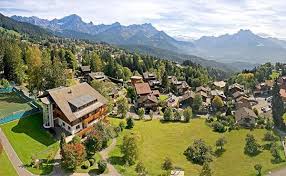
Aiglon College, Chesières-Villars
Alpine HamletSet in Chesières-Villars, Aiglon College is on the mountainside above the Rhône Valley, with a cluster of chalet-style buildings that feels like a small Alpine hamlet. It follows a broadly British-style model with IGCSEs and the IB Diploma, and its holistic ethos puts equal weight on academics, expeditions, and community life, which appeals strongly to UK and other international families. Outdoor education is built into the program: students are expected to take part in regular expeditions and seasonal sports such as hiking, ski touring, climbing, and camping, so weekends often mean time on the mountain.
Safeguarding and well-being are treated as core to the school’s philosophy, with boarding houses staffed by house teams, health center staff, and tutors who monitor academic progress, social dynamics, and mental health. Policies around phones, lights‑out, and movement on campus are designed to protect sleep and focus (younger students hand in phones at night, older ones are gradually given more responsibility), and there is a clear framework for raising concerns and getting support. The relatively small roll and spread‑out campus mean staff know students by name, and issues like homesickness or stress are intended to be picked up early.
As students move up the school, they gain more freedom within and around Villars, but outdoor activities and trips are tightly supervised, and there is a strong emphasis on managing gear, time, and safety in the mountains. Annual costs place Aiglon firmly in the Swiss top tier: published boarding fees run roughly from the mid‑90,000s to around 150,000+ CHF per year, depending on age, with additional charges for registration, deposits, uniforms, travel, and extras, though a small number of scholarships and funded places are offered. University counselling is geared to competitive UK, US, and European routes, and the combination of IB, strong English‑language teaching, and a reputation for building mind, body, spirit is marketed as preparation for selective international universities.
For visiting families, Aiglon’s setting makes it easy to add in an Alpine break. Villars is a year‑round resort with ski lifts, walking trails, a sports center, and family‑friendly hotels and cafés within a short distance of campus. Road and rail links to Lausanne and Geneva mean that half‑term or long‑weekend visits can mix mountain activities with lakefront days or city sightseeing.
Aiglon College, Avenue Centrale 61, 1885 Chesières,Switzerland, +41 24 496 61 61, info@aiglon.ch, https://www.aiglon.ch/
-
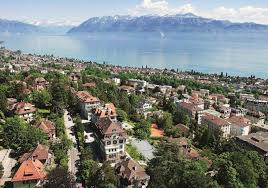
Brillantmont International School, Lausanne
Above Lake GenevaBrillantmont International School sits in central Lausanne, a short walk above Lake Geneva, and has been owned and run by the same family since 1882. It is deliberately small, with around 150 students aged 13–18, roughly 100 boarders, and more than 30–35 nationalities on campus, so it feels intimate and international. The academic offer follows British IGCSE and A Level routes alongside an American high school diploma, and the city location means afternoons and weekends can include sports on campus, lake or mountain outings, and age‑appropriate trips into Lausanne.
Boarding houses are on the school campus, with boys and girls in separate, age‑based houses and secure access to the buildings. A member of the boarding team lives on each floor, and staff are present at wake‑up, meals, study time, and evenings, focusing on wellbeing and everyday routines. Clear safeguarding policies, small numbers, and a home-from-home approach mean homesickness and minor problems are usually picked up quickly in a family‑style environment.
As students get older, they gain more freedom to move around Lausanne within agreed hours and sign‑out rules, but the expectation is that they respect curfews, manage homework, and use the city sensibly. Full boarding fees are in the lower-to-mid range of Swiss international standards but still substantial, at roughly 95,000–110,000 CHF per year depending on grade, with separate registration and deposit payments and extra charges for some activities and personal expenses; day fees are around 34,000–38,000 CHF. Graduates typically move on to universities in Switzerland, the UK, North America, and other European countries, supported by small‑scale, personalised guidance.
Brillantmont works well as a city‑plus‑lake base. Lausanne offers lakefront promenades, parks, museums, and cafés within easy reach of campus. From Lausanne, trains and boats link quickly to Geneva, Montreux, and nearby mountain resorts, making it straightforward to combine school visits with short lake or Alpine excursions over a long weekend.
Brillantmont International School, Avenue Charles-Secrétan 16, 1005 Lausanne, Switzerland, +41 21 310 0400, info@brillantmont.ch, https://www.brillantmont.ch/
-
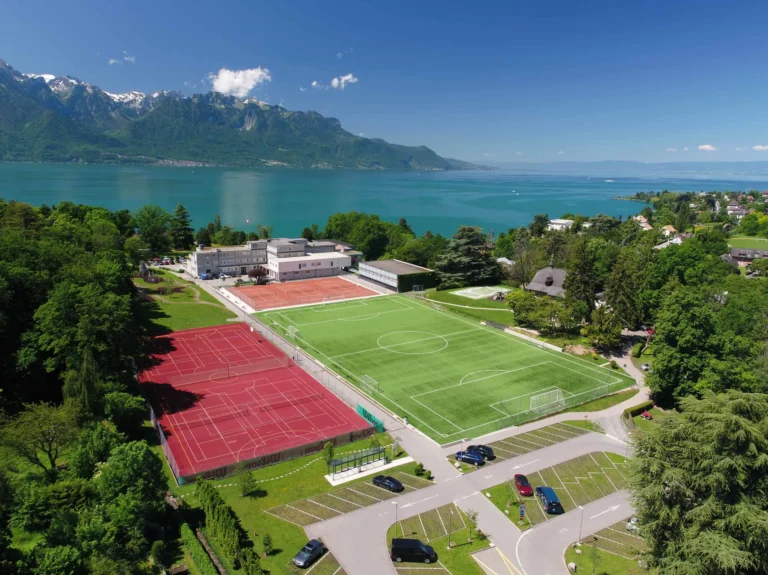
St. George’s International School, Montreux
Lake Geneva And The AlpsIn Clarens, St. George’s International School lies on the lakeside between Montreux and Vevey, with a green campus looking straight onto Lake Geneva and the Alps. It serves students from 18 months to 18 years, but boarding starts around age 10, and the upper school is strongly IB-focused, with small classes and more than 50–60 nationalities represented. Being five minutes’ walk from the lake and about an hour from Geneva, everyday life mixes lessons, clubs, and study time with lakeside sports and easy access to nearby towns.
Boarding is run as a structured, supervised environment, with modern boarding houses, clear routines around roll calls, curfews, and study time, and staff living on site. Pastoral care, academic support, and university counselling are embedded into boarding life, and students have access to staff and dedicated spaces if they need help or just someone to talk to. The combination of small teaching groups, close boarding oversight, and long experience with international students is designed to pick up homesickness or other issues early.
Older students have more freedom on campus and around Clarens and Montreux within agreed hours and sign‑out rules, and are expected to manage homework, activities, and local travel responsibly. Fees place St. George’s firmly in the premium bracket: published totals for upper-school boarders are roughly 110,000–125,000 CHF per year, depending on year group and whether boarding is weekly or full, with extras for IB charges, insurance, pocket money, uniforms, and some clubs. The school has a strong IB record and reports that the vast majority of students receive offers from their first-choice university, including Russell Group and Ivy League institutions.
Clarens and nearby Montreux offer lake promenades, boat trips, parks, music venues, and cafés within easy reach, so siblings can enjoy the lakefront while parents attend meetings or spend time on campus. From Montreux, trains run quickly along the lake to Lausanne and Geneva and up into the hills for vineyards or ski areas, making it straightforward to turn a school visit into a short lake-and-mountains break.
St. George’s International School, Chemin de Saint-Georges 19, 1815 Montreux, Switzerland, +41 21 964 34 11, admissions@stgeorges.ch, https://www.stgeorges.ch/
-
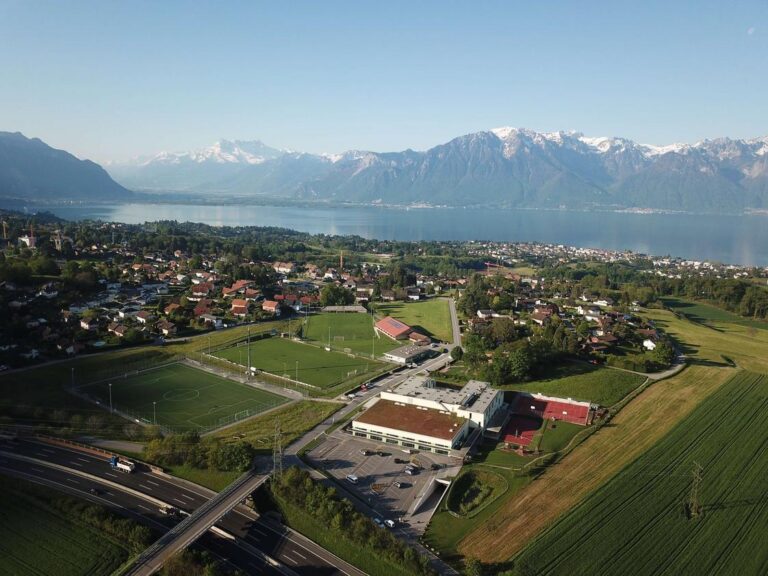
Haut-Lac International Bilingual School, Saint-Légier-La Chiésaz
Serious AthletesHaut-Lac International Bilingual School sits above Vevey and Montreux in St‑Légier, looking over Lake Geneva with the Alps in the background. It is a bilingual day and boarding school for around 600 students, offering IB programs in English and French, as well as fully bilingual pathways, and a strong reputation for sport and study options for serious athletes. Boarders live in a modern boutique boarding house within walking distance of the two main campuses, and a typical day mixes lessons with after‑school clubs, training sessions, and supervised study.
The boarding house is small (around 30–32 students) and run on a family‑style model, with experienced boarding parents and a school counsellor living and working on site. Bedrooms are mainly two‑person rooms with private bathrooms. There are dedicated study rooms and common spaces, and routines cover wake‑up, mealtimes, homework, and lights‑out. Clear rules on sign‑outs, curfews, and behavior, plus regular contact with parents, are designed to keep boarders safe.
From age 11 upwards, boarders gain gradual independence through managing their schedules, getting themselves to and from campus by school minibus or on foot, and joining evening and weekend activities if their work is up to date. Boarding is positioned at the lower end of the Swiss international spectrum but still substantial: published ranges for 2026 are roughly 68,000–88,000 CHF per year for weekly or full boarding, with day fees around 21,800–40,600 CHF depending on age and program, plus enrolment fees, deposits, insurance, and exam costs. The school is accredited as an Athlete‑Friendly Education Centre and runs tailored IB Sport and Study and ski racing programs, while university guidance supports routes to European, UK, and North American universities for regular students and high‑level athletes.
Haut‑Lac’s location on the Swiss Riviera makes it easy to blend school time with a relaxed break. Vevey and Montreux offer lake promenades, boats, vineyards, museums, and family‑friendly paths within a short drive or train ride. Lausanne and Geneva are reachable in 30–90 minutes, opening up access to city museums, shopping, and the airport.
Haut-Lac International Bilingual School, Chem. de Pangires 26, 1806 Saint-Légier-La Chiésaz, Switzerland, +41 21 555 50 00, info@haut-lac.ch, https://haut-lac.ch/
-
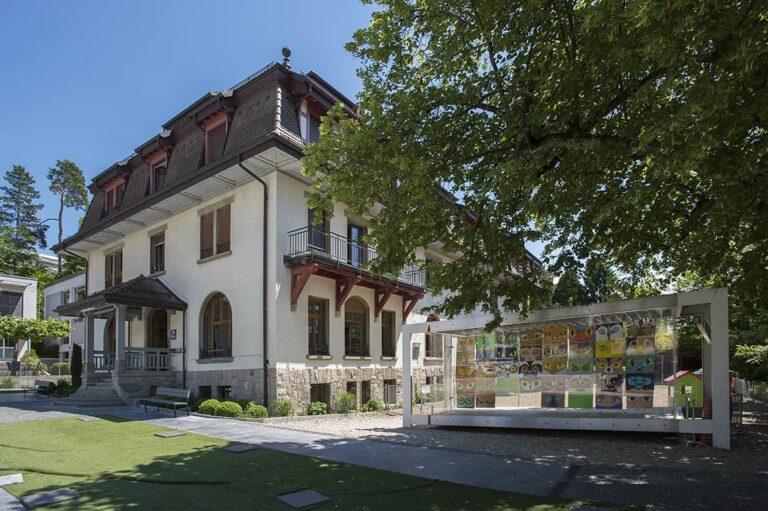
ENSR International School, Lausanne
Centuries OldSet in a leafy residential area of Lausanne, ENSR International School is a historic campus that has been welcoming students for over a century. The school is bilingual French–English, offering IB programs alongside Swiss pathways, making it a good fit for families who want flexibility between international and local systems. Being in the city but surrounded by green space means day‑to‑day life combines classroom time with sports, arts, and outdoor breaks, and older students can feel connected to Lausanne without being in the middle of a busy downtown.
Boarding is run on a small scale, with boys and girls in separate, supervised houses on or near campus, and clear routines for roll calls, meals, study times, and curfews. Staff live in or near the houses, so there is regular contact with boarders, and pastoral care focuses on academic progress, wellbeing, and integration into a bilingual environment. The combination of modest boarding numbers and a long‑established school culture is designed to make it easier to notice homesickness or problems early and involve families quickly.
As students move up the school, they gain more freedom to move around Lausanne within agreed hours and sign‑out rules, with an expectation that they manage homework, language commitments, and local travel responsibly. Fees sit in the Swiss international mid‑to‑high range: day places cost significantly less than full boarding, but boarding still reaches into the tens of thousands of CHF per year once accommodation, meals, and extras are included. Graduates follow both IB and Swiss routes into universities in Switzerland, France, the UK, and other European countries, supported by guidance that leverages the school’s bilingual and dual‑pathway structure.
ENSR’s Lausanne location makes it easy to fold school time into a city‑and‑lake stay. Lausanne offers lakefront promenades, parks, museums, and cafés within a short ride from campus, so parents can combine meetings and campus visits with walks by the lake or time exploring the old town. Rail and boat links from Lausanne connect quickly to Geneva, Montreux, and nearby mountain areas, making it straightforward to add a vineyard visit or an Alpine day trip.
ENSR International School, École Nouvelle de la Suisse Romande, Ch. de Rovéréaz 20, C.P. 161 CH – 1000 Lausanne 12, Switzerland, +41 21 654 65 00, info@ensr.ch, https://ensr.ch/
-
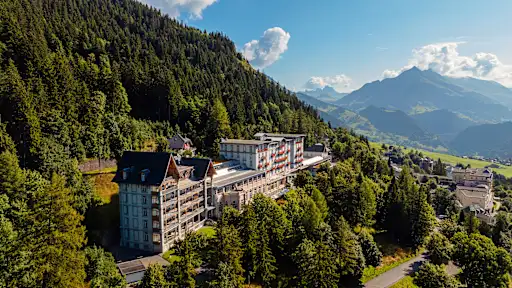
Leysin American School in Switzerland (LAS), Leysin
Sunny Mountainside CampusLeysin American School in Switzerland, located in the ski resort of Leysin in the Vaud Alps, is about 1.5 hours from Geneva, with dorms and classrooms spread across a sunny mountainside campus at around 1,260 metres. It offers an American high school diploma, AP courses, and the IB Diploma, and draws roughly 300 students from around 60 countries, almost all of whom live on campus. The resort setting changes throughout the year: in winter, afternoons often mean skiing or snowboarding on Leysin’s 60 km of slopes, while the rest of the year brings hiking, climbing, and other outdoor activities alongside regular classes and clubs.
Residential life is built around six age-based dorms, each with live‑in dorm parents who handle supervision, well-being, and day‑to‑day issues. Students share rooms, follow clear routines for check-ins, study time, and curfews, and have access to faculty families and counsellors who monitor social and emotional health as well as academic progress. The aim is to keep a family‑style atmosphere where homesickness or problems on or off the slopes are noticed and addressed quickly, rather than leaving teenagers to manage them alone.
As they move up the school, students gain more freedom within Leysin under set sign‑out rules and time windows, and are expected to manage their gear, time, and safety for regular ski afternoons, trips, and village life. LAS sits at the very top end of the Swiss market: boarding tuition is around 120,000–128,000 CHF per year plus application fees, deposits, a capital fund contribution, and personal expenses, though a proportion of students receive financial aid. Graduates typically move on to US, UK, and European universities, and the school highlights that over 90 percent receive offers from at least one of their top three choices.
Leysin offers chairlifts, ski schools, sledging, hiking trails, and a compact village center within minutes of campus, so parents can combine meetings and time with their child with time on the slopes or walks in the surrounding mountains. Road and rail links connect Leysin to Aigle, Montreux, and the rest of Lake Geneva, making it easy to add a lakefront day or a city stop in Montreux, Lausanne, or Geneva to a long weekend.
Leysin American School in Switzerland (LAS), Chemin de La Source 3, Leysin, Switzerland, +41 24 493 4888, admissions@las.ch, https://www.las.ch/
-
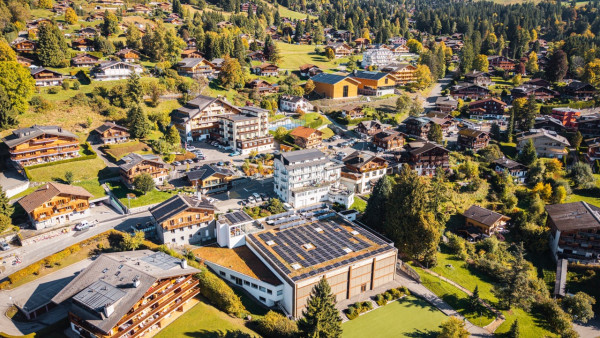
Préfleuri International Alpine School, Villars
Meadows And ForestsOn a sunny plateau just outside Villars-sur-Ollon, Préfleuri International Alpine School sits in a cluster of traditional chalets surrounded by meadows and forests. It is a small prep school for younger children, welcoming boys and girls roughly aged 3–13 from many countries, with bilingual French–English teaching based on the French and British curricula. The atmosphere is deliberately homely and child‑centered: days blend classroom learning with outdoor play, nature time, and structured activities suited to primary‑age boarders.
Boarding runs on a big family model, with small groups living in chalet‑style houses under the care of house parents and tutors who live on site. Young boarders are supervised throughout the day and evening, with adults present at wake‑up, meals, homework, playtime, and bedtime, and with extra staff, such as educators and sports instructors, involved in daily life. The aim is to give children a constant, reassuring adult presence and clear routines so they feel secure, noticed, and supported while they are away from home at a young age.
Independence is introduced gently: children are encouraged to dress themselves, organise school bags, and make small choices, but movement around campus and beyond is closely supervised, and any trips into Villars or onto the slopes are fully led by staff. Annual boarding fees are published at about 60,000 CHF for five‑day boarding and 70,000 CHF for seven‑day boarding, with costs typically including tuition, accommodation, meals, and a wide range of activities, as well as extra charges for options such as additional lessons and parts of the winter ski program. The academic program is designed to prepare pupils for selective secondary schools worldwide, so most families treat Préfleuri as a nurturing junior step before moving their child on to a senior boarding school in Switzerland or elsewhere.
Préfleuri’s setting makes it easy to combine pick‑ups, drop‑offs, or school meetings with a low‑key Alpine break. Villars-sur-Ollon is only a couple of kilometres away, with ski lifts, walking trails, cafés and hotels, and Lake Geneva is within reach for day trips, so parents can combine mountain walks, skiing or lakeside excursions around the time spent at the school.
Préfleuri International Alpine School, Junior Boarding School in Switzerland, Chemin de Curnaux 32, Villars, Switzerland, +41 24 495 23 48, info@prefleuri.ch, https://prefleuri.ch/
-
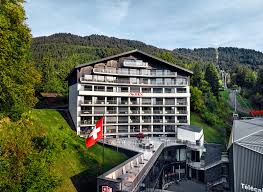
La Garenne International School, Villars
Mountain ViewsLa Garenne International School is in Villars-sur-Ollon, a sunny ski resort in the Vaud Alps, with chalet-style buildings looking straight onto the mountains. It is a family-run school with around 150–200 students, primarily in the primary and middle years, following the International Primary Curriculum and the IB Middle Years Program, with a strong emphasis on French and English. The setting keeps school life closely tied to the outdoors, so weeks routinely mix classroom lessons with skiing, hiking, and Alpine activities.
Younger and middle-years boarders live in carefully designed chalets with dedicated house parents, secure access, and age-appropriate routines. Staff are present from wake‑up through bedtime, managing meals, homework, play, and lights‑out, and there is a strong focus on making sure each child is seen and heard through regular check‑ins and communication with home. The small scale and clear pastoral philosophy aim to catch homesickness or social issues early and handle them within a close, family-style community.
Independence is built gradually: children take more responsibility for organizing their kit, schoolwork, and behavior, but trips into Villars and time on the slopes or trails are tightly supervised, with safety routines drilled into daily life. Full-year boarding fees are generally in the 85,000–129,000 CHF range, depending on age and program, with day fees lower but still high by international standards, and additional charges for application, extras, and some activities. Academically, the primary and middle-years programs are structured to feed into the school’s own upper years or other selective secondary schools worldwide, with close guidance to help families plan the next step.
Villars offers ski lifts, beginner and intermediate slopes, walking paths, and a compact resort center within minutes of campus. Geneva and Lausanne are about 1.5 and 0.75 hours away, respectively, offering quick access to Lake Geneva and city sightseeing before or after time in the mountains.
La Garenne International School, Chemin des Chavasses 23, 1885 Chesières, Switzerland, +41 24 495 24 53, info@la-garenne.ch, https://www.la-garenne.ch/
-
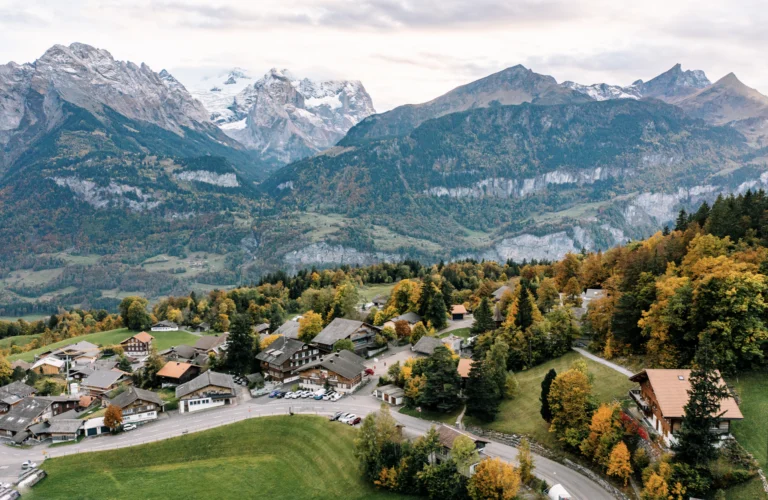
Ecole d’Humanité, Hasliberg
Forests And High PeaksEcole d’Humanité sits in the village of Hasliberg in the Bernese Oberland, surrounded by forests and high peaks. It is a small, intentionally progressive boarding school of roughly 100–120 students, with mixed US and Swiss diploma options and an emphasis on project-based learning, arts, and time outdoors. Days are structured but varied: mornings in small academic classes, afternoons in arts, crafts, sports, or mountain activities, and evenings in community events or time with boarding families.
Students live in small Ecole Families of around 8–12 young people in simple Alpine chalets, each guided by two or three teachers who act as house parents and primary pastoral contacts. There is close daily contact at meals, family meetings, and evening check-ins, and the school emphasizes communication skills, conflict resolution, and democratic decision-making in the community. The goal is for every student to feel acknowledged within a supportive group, with adults nearby to step in when homesickness, social issues, or mental health concerns arise.
The Ecole talks about freedom and limits: students have a say in activities and community life, and can explore the local area and ski slopes within agreed rules, but phones and devices are restricted at times, and boarding expectations are clear. Annual fees for boarders are typically in the 65,000–75,000 CHF range, depending on grade and program, with additional charges for registration, deposits, health insurance, laundry, and optional services such as music lessons or special diets. Graduates go on to universities in Europe and North America, and the school markets itself to families who value character, community, and creativity.
Hasliberg offers a quieter, more rural kind of Swiss break than the big-name resorts. There are local ski slopes, hiking trails, and mountain viewpoints a short distance from campus, and broader Bernese Oberland highlights like Lake Brienz, Meiringen, and the Jungfrau region can be reached by car, gondola, and train, so school visits can easily be combined with low-key mountain days and lakeside excursions.
École d’Humanité, 6085 Hasliberg Goldern, Switzerland, +41 33 972 92 92, ecole@ecole.ch, https://ecole.ch/
-
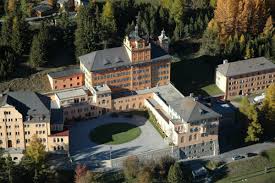
Lyceum Alpinum Zuoz, Zuoz, Engadine
Classic Swiss Boarding SchoolJust above the village of Zuoz in the Engadine, near St. Moritz, Lyceum Alpinum Zuoz is composed of traditional Engadine houses on a hillside campus overlooking wide Alpine valleys and peaks. Founded in 1904, it is a classic Swiss boarding school with around 220 boarders and 120 day students aged 12–19 from more than 45 countries. Academically, it offers the Swiss Matura (including bilingual German/English or Italian/German options), IGCSE, and the IB Diploma, appealing to families who want both rigorous local and international pathways.
Boarding life is organized into six separate houses, with boys and girls and different age groups accommodated separately in single or twin rooms. Each house has its own pastoral team, common rooms, and kitchen, and the school emphasizes its Spirit of Zuoz values of respect, openness, and social responsibility as the basis for behavior, rules, and daily routines. Regular roll calls, community weekends, and a visible staff presence are intended to give structure and support, while still allowing students to feel at home.
As they progress through the school, students gain more freedom to organize their time, use common kitchens and lounges, and move around Zuoz and the valley within agreed sign‑out rules and curfews, but are expected to show growing personal responsibility. For 2026, combined tuition and boarding fees are typically in the 92,800–111,000 CHF range per year, depending on age, room type, and program, with a 1,500 CHF registration fee and a 16,000 CHF deposit in the first year, plus extras for trips, private lessons, and exam fees. Graduates move on to universities in Switzerland, wider Europe, the UK, and North America, and the combination of Swiss Matura, IB, and Zuoz spirit is marketed as preparation for demanding academic and professional paths.
Zuoz offers a quieter Engadine alternative to nearby St. Moritz while still sharing access to the region’s ski areas, hiking trails, and cross‑country tracks. It is easy to fold school visits into a few days of skiing, walking, or lake time in the high valley, with good rail and road links to St. Moritz and down to Chur, giving options to add city or spa stops.
Lyceum Alpinum Zuoz, CH-7524 Zuoz, Switzerland, +41 81 851 3000, info@lyceum-alpinum.ch, https://www.lyceum-alpinum.ch/en/
-
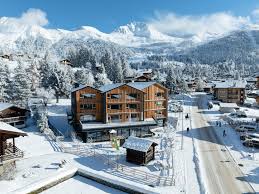
Verbier International School, Verbier
Ski Resort SettingVerbier International School is a relatively young, boutique day and boarding school in the resort of Verbier, with its campus and boarding house embedded in the village close to the lifts and main facilities. It follows an adapted English National Curriculum with IGCSEs and is moving towards a full IB through school model, offering IB PYP and MYP and building into upper‑school pathways, all taught in English with strong French. Class sizes are small, and the ski resort setting shapes the timetable, with skiing integrated into the week in winter and hiking, biking, and other mountain activities taking over in the warmer months.
Boarding runs on a family‑style model in a central Verbier chalet, with resident staff, small numbers, and an emphasis on relationships and inclusivity. House rules cover curfews, sign‑outs, and movement around the village, and there is close day‑to‑day contact between students and staff, with a strong focus on happiness, kindness, and safety. The aim is to give students the benefits of a lively resort while maintaining tight control over supervision and well-being in and out of the boarding house.
As students move up the school, they gain more freedom within Verbier within agreed time windows and sign‑out procedures, and are expected to manage the balance between schoolwork, ski time, and other activities. Average published boarding tuition is around 87,000 CHF per year, with day fees in the high‑20,000s to low‑30,000s CHF depending on age, and costs typically include a rich co‑curricular and ski program plus extras billed separately. The school positions itself as holistic and individualized, preparing students for further study in A Level or IB environments and, ultimately, for entry to international universities.
The village offers extensive pistes, ski schools, race and freeride options, summer trails, and a good spread of hotels and restaurants. Because Verbier sits above the Rhône valley with good road and lift links, it’s easy to tag on vineyard visits or lakeside time in the Valais or along Lake Geneva to a long weekend built around the school.
Verbier International School, Rue du Centre Sportif 32, 1936 Verbier, Switzerland, +41 27 565 26 56, info@vischool.ch, https://verbierinternationalschool.ch/mission-statement/
-
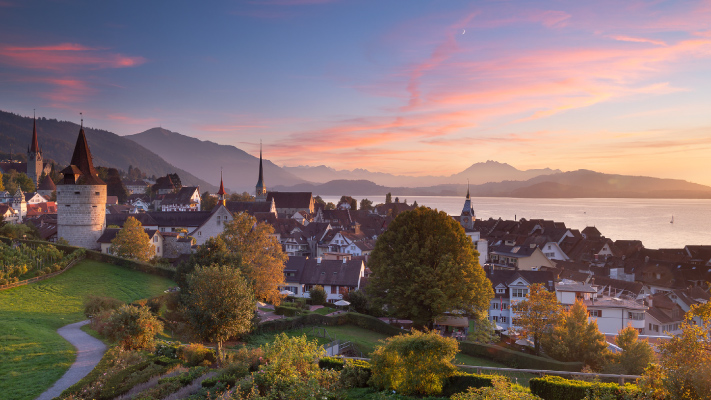
Zurich, Zug & German-Speaking Switzerland
Boat Trips And Easy HikesZurich, Zug, and the wider German-speaking region of Switzerland offer a mix of lakes, small mountains, and compact cities that are well-suited to families. Weekdays might mean commuting by tram or train into Zurich’s business districts or university quarter, while weekends can bring boat trips on Lakes Zurich or Zug, easy hikes on local peaks like Uetliberg or Zugerberg, and winter sledging or skiing within an hour or two. This area also has one of the country’s highest concentrations of international and bilingual schools, from big day schools in and around Zurich to forested boarding campuses above Zug, offering IB, British, American, and Swiss programs alongside strong German pathways. For parents, that means access to global curricula, a solid public transport network, and a choice of urban or more rural-feeling school settings, all within a relatively small radius.
-
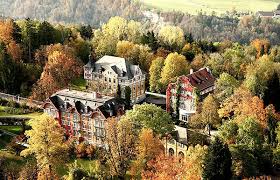
Institut Auf Dem Rosenberg, St. Gallen
Defy The OrdinaryOn a hill above St. Gallen in eastern Switzerland, between Lake Constance and the Alpstein mountains, Institut auf dem Rosenberg sits on a 100,000 m² park-like campus of renovated art‑nouveau villas and cutting‑edge labs. Founded in 1889 and still family‑run, it takes around 200 boarding students aged 6–19 from nearly 60 nationalities and offers multiple routes: IB, A Levels, US High School Diploma with APs, and its own Rosenberg International Curriculum, which offers bespoke courses with external partners. The feel is deliberately design‑forward and future‑focused, with spaces like the Creative Lab, Future Park, and even a space habitat module used for project‑based work in areas such as robotics, AI, design, and entrepreneurship.
Rosenberg describes itself as “first and foremost a boarding school”, with boys’ and girls’ houses separated by age and overseen by residential staff who handle routines, behavior, and day‑to‑day support. Rooms are typically single or twin, with high‑spec finishes and ensuite bathrooms, and house rules cover curfews, study times, weekend activities, and use of facilities, as well as access to a health and fitness club and on‑campus medical care. The small community size, high staff‑to‑student ratio, and emphasis on community lifestyle are designed to ensure that academic or emotional issues are identified.
Independence comes through individual learning trajectories: each student works with specialists to design a personal timetable drawn from British, American, and IB programs, as well as over 40–100 Talent & Enrichment courses, within clearly defined expectations around effort, conduct, and participation. With average combined boarding and tuition costs around 150,000–165,000 CHF per year, and some estimates putting full annual budgets near 165,000–175,000 CHF, including individual fees. Rosenberg consistently ranks among the most expensive schools in the world, and scholarships are very limited. Graduates move on to selective universities in Europe, the UK, and the US, and the school explicitly markets itself to families who want a highly personalized, innovation‑driven education with strong networking and future‑skills exposure.
St. Gallen offers a quieter, cultured base rather than a resort: its historic old town, textile museums, and cafés are a short ride from campus, with Lake Constance, the Appenzell hills, and the Alpstein range close enough for day trips. This makes it easy to combine meetings and campus tours with walks in the old town, lakeside excursions, or light hiking.
Institut auf dem Rosenberg, Höhenweg 60, 9000 St. Gallen, Switzerland, +41 71 277 77 77, info@instrosenberg.ch, https://instrosenberg.ch/
-
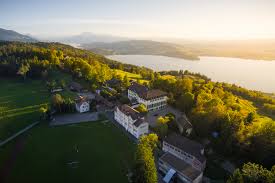
Institut Montana Zugerberg, Zug
60 Acre Forested CampusInstitut Montana Zugerberg, in the Zugerberg mountains above the city of Zug, is on a 60‑acre forested campus with views over the lake and pre‑Alpine meadows. Founded in 1926, it has around 380 students aged 6–19 from more than 55 nationalities, split between Swiss and international sections. Academically, it offers Swiss bilingual primary and secondary programs, a Swiss Matura track, and an international stream with Cambridge Lower Secondary, IGCSE, and the IB Diploma, so families can choose either a Swiss or international route within one school.
Boarding starts from about age 10 and is organized into three houses (two for boys, one for girls), with age‑based floors, house parents, and clear daily routines. Students follow set schedules for wake‑up, meals, co‑curricular activities, supervised study, and lights‑out, and new boarders are paired with buddies and given a structured induction to boarding life. The environment is described as family‑like and supportive, with small classes, teacher‑supervised study times, and round‑the‑clock staff presence.
As they get older, students have more freedom to use campus facilities and take the funicular down to Zug within agreed sign‑out rules and curfews, but behavior and electronics use are clearly regulated, and weekends still include organized activities and excursions. For 2026, boarding school fees for Years 5–12 are listed at about 70,400–72,800 CHF per year, with day school fees between 32,900 and 36,800 CHF, plus a 5,500 CHF admission fee and a 5,000 CHF boarding deposit; scholarships are not currently advertised. Graduates move on to universities in Switzerland, Europe, the UK, and North America, supported by one‑to‑one college counselling and an academic advisory system.
The Zugerberg location offers a mix of nature and easy access. The campus is surrounded by woods, trails, and sports facilities, yet is only about 15 minutes by funicular from the lakeside city of Zug and roughly an hour from Zurich Airport, making school visits easy to combine with lakefront walks, old‑town exploring, or day trips further into central Switzerland.
Institut Montana Zugerberg, Schönfels 5, 6300 Zug, Switzerland, +41 41 729 11 77, info@montana-zug.ch, https://www.montana-zug.ch/en/
-
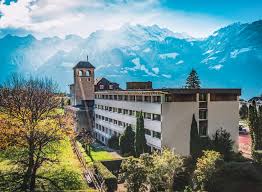
International School Altdorf, Lake Lucerne
Open Fields And Alpine PeaksOn the hillside above the small town of Altdorf, International School Altdorf lies close to Lake Lucerne and surrounded by open fields and Alpine peaks in central Switzerland. It is a young, IB‑focused school for roughly 80–100 students aged 13–19, offering IGCSE, IB MYP, IB Diploma, and IB Career-related Program, plus university preparation and exam courses, with almost all students boarding. The feel is compact and international, with small classes and a timetable that mixes academic work with sport and outdoor activities in the surrounding mountains and on the lake.
Boarders live on campus in double or small multi‑bed rooms with private bathrooms, under the care of accommodation managers and boarding staff. Staff are present throughout the day and evening, overseeing meals, homework, activities, and lights‑out, and are the first point of contact if students struggle with homesickness, workload, or personal issues. The aim is to create a home-away-from-home feeling in a small community, with structured routines and clear expectations around behavior and support.
Older students gain more freedom to move around campus and the local area within agreed hours and sign‑out rules, and are expected to manage their time between IB work, sports, and extracurriculars. Typical annual totals run from about 50,000 CHF for younger or partial‑boarding options up to around 70,000 CHF (roughly 70,000 EUR or USD) for full boarding, with day fees starting from about 25,000–40,000 CHF; the school also offers competitive scholarships and financial aid for strong applicants, including substantial support for lower‑income families. Graduates commonly progress to top‑50 universities worldwide, helped by focused IB guidance and additional preparation for exams such as IELTS, TOEFL, and SAT.
Altdorf and nearby Lake Lucerne provide a classic central‑Swiss backdrop. From the school, it is a short distance to lakeside promenades, boat trips, swimming spots, and cable cars into the surrounding mountains, so parents can combine campus visits with low‑key hikes, lake outings, or day trips around the Uri and Lake Lucerne region.
International School Altdorf, St. Josefsweg 15, 6460 Altdorf, Switzerland, +41 41 874 00 00, admission@lisa.swiss, https://lisa.swiss/
-
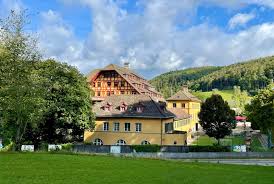
ISSH International School of Schaffhausen, Schaffhausen
Rhine Falls And Countryside WalksISSH International School of Schaffhausen is located in a residential area of Schaffhausen, in northern Switzerland, close to the Rhine and a short train ride from Zurich. It offers the full IB continuum (PYP, MYP, and Diploma) plus an ISSH High School Diploma, with a total headcount of a few hundred students from over 30 nationalities, and a very small boarding cohort. The overall feel is low‑key and community‑minded rather than big campus, with class sizes around 15 and a focus on STEM, languages, and personal support.
Boarding is offered through the ISSH Junior College programme for students roughly aged 16–19 and is organized in two small, off‑campus boarding houses in a safe neighborhood near the school. Each house accommodates up to about ten students in single‑sex apartments with shared kitchens and lounges, supervised by a boarding team with backgrounds in healthcare, social work, nutrition, and education. The model is “neighborhood‑style living”: more independent than a traditional dorm, but with clear expectations, regular contact, and adult support to help with day‑to‑day issues and wellbeing.
Students are expected to cook some meals, manage weekly shopping, and help run the household at weekends, within agreed curfews and house rules, so they practice adult life skills before university. Typical boarding packages run at the equivalent of about 65,000 USD per year (around the mid‑60,000 CHF range) for tuition plus boarding, while day‑student tuition generally ranges from roughly 24,590 to 54,090 CHF depending on grade and program. Academically, ISSH combines the IB Diploma with the ISSH High School Diploma and maintains a 100 percent IB pass rate over more than ten years, sending graduates to universities across Europe, North America, and beyond.
Schaffhausen offers a quieter base than the big Swiss hubs. The town has a compact old centre, easy access to the Rhine Falls and countryside walks, and frequent trains into Zurich, so parents can combine school visits with low‑key sightseeing or short city trips.
ISSH International School of Schaffhausen, Mühlentalstrasse 280, 8200 Schaffhausen, Switzerland, +41 52 624 17 07, info@issh.ch, https://www.issh.ch/
-
Ticino, Italian-speaking Switzerland
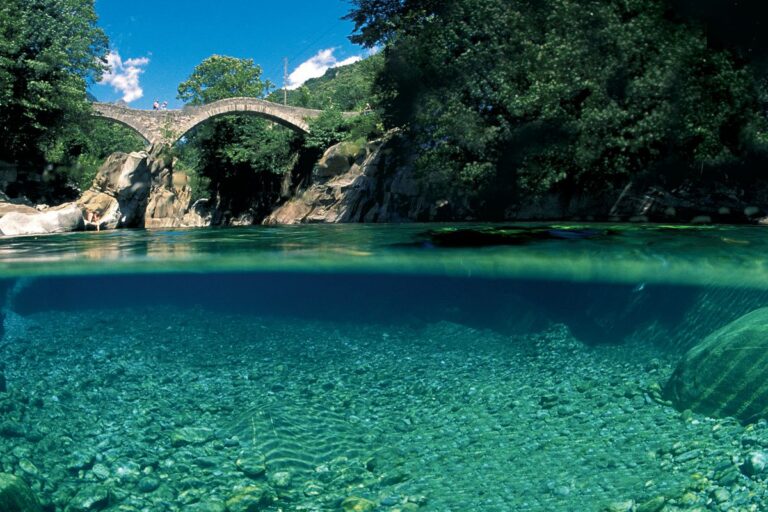
Bordering Italian CitiesTicino, Switzerland’s Italian-speaking canton, has a different feel from the rest of the country: palm-lined lake promenades, piazzas, and gelato sit alongside classic Swiss efficiency. Families here split their time between lakes like Lugano and Maggiore, nearby mountains with easy hiking and biking trails, and quick trips over the border to Italian cities. International and bilingual schools, including well-known boarding options around Lugano, typically teach in English with strong Italian and other languages, and follow American, IB, or mixed pathways. For parents, Ticino offers a warmer climate, a more Mediterranean rhythm of life, and the option to combine school visits with straightforward lake-and-city breaks in both Switzerland and northern Italy.
-
TASIS The American School in Switzerland, Montagnola, Lugano
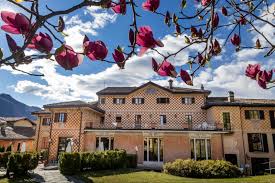
Gardens And TerracesSet on a hillside in Montagnola, TASIS The American School in Switzerland is just above Lugano, with villas, gardens, and terraces looking over Lake Lugano and the surrounding hills. Founded in 1956, it is the oldest American boarding school in Europe and now welcomes about 750 students from roughly 60 countries, with boarding from grade 6 up. Academically, it offers an American high school diploma, a wide range of AP courses, and the IB Diploma, alongside strong English‑as‑an‑additional‑language support, languages, and a particularly developed arts program.
Boarding life is organized across nine supervised dormitories, split by age and gender, with dorm parents living in and overseeing daily routines. Rooms typically house two to four students, and dorms have lounges, laundry facilities, and social spaces, with an on‑campus health center staffed by nurses. Clear expectations around curfews, study hours, and weekend activities, plus a strong emphasis on community spirit, are designed to give students both structure and a sense of home.
Older students gain Lugano town privileges at weekends and, from junior year, some supervised independent travel in small groups, provided they are in good academic and behavioral standing, so they gradually practice managing time, money, and travel. Published totals put full boarding costs up to about 105,000 USD per year (roughly the mid‑90,000s CHF depending on rate), with day tuition for high school at around 55,000 CHF, plus application and enrolment fees and additional costs for travel, some trips, and personal expenses; around a quarter of students receive financial aid or scholarships. TASIS highlights its dual AP/IB offer, extensive academic travel, and a Global Service Program, and sends graduates to universities across the US, UK, and Europe, often in competitive programs.
TASIS’s Ticino location feels more Mediterranean than many Swiss schools. Lugano offers lakeside promenades, boat trips, piazzas, and Italian‑influenced food within a short ride of campus, and weekend school trips regularly reach Zurich, Milan, Venice, and the Alps, making it easy to turn a visit into a lake‑and‑city break.
TASIS The American School in Switzerland, Via Collina d'Oro 15,6926 Montagnola,Switzerland, +41 91 960 51 51, admissions@tasis.ch, https://www.tasis.ch/
-
Saint-Charles International School, Porrentruy
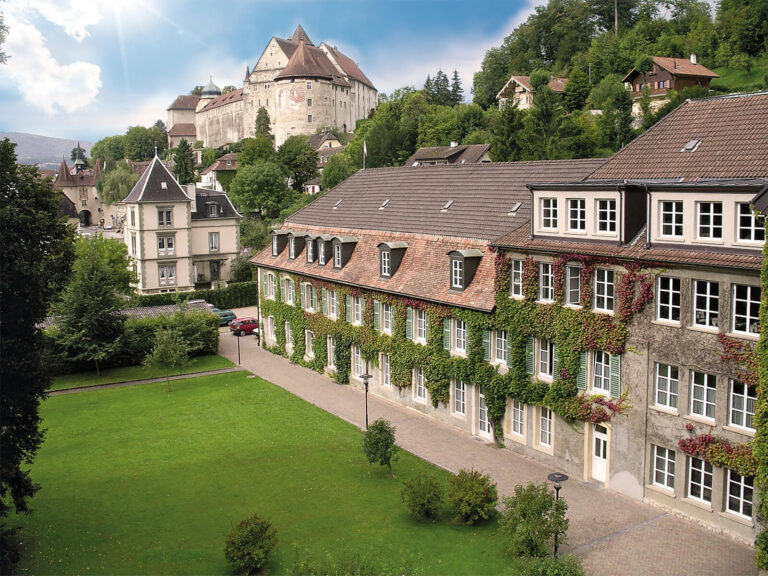
Local Museums And Countryside WalksSaint-Charles International School stands on the edge of Porrentruy in the Jura, on a historic campus by the Allaine river with a chapel and modern teaching and sports facilities. Founded in 1897 as a Catholic institute for local students, it now offers Swiss Matura and IB (MYP and Diploma) programs in a bilingual French–English environment, while maintaining a Catholic heritage in its values and campus life. Classes are small, and the atmosphere is quieter and more local than the big Geneva or Zurich schools, but the boarding community brings in students from many countries.
Boarding is co‑educational overall but split into two separate areas for boys and girls, each with its own staff and routines. Students live in recently renovated boarding houses with bright twin rooms and private bathrooms, plus shared lounges, a gym, pool, and study spaces, all on a secure campus. Prefects and boarding team leaders handle supervision, check-ins, and weekend programs, aiming to provide a friendly, informal, yet clearly structured environment.
Full boarding runs on a five‑ or seven‑day model with organized evening and weekend activities; older students gain more flexibility for free time in town and on trips, but movements are planned and supervised rather than fully independent. Annual boarding totals typically range from 70,000–90,000+ CHF, depending on grade and whether the student is in the Swiss or IB stream, with day‑student tuition ranging from about 49,000 CHF to 67,700–82,000 CHF for upper IB and lycée levels, plus an admission fee and charges for extras such as additional weekends. Students can follow Swiss Matura or IB routes into universities in Switzerland and abroad, and the school emphasizes character, community, and languages alongside exam results.
Porrentruy offers a slower‑paced Jura base rather than a big city or Alpine resort. The old town, local museums, countryside walks, and easy cross‑border access into France, along with train links to Basel, Biel/Bienne, and other hubs, are well-suited to those wanting to extend the trip.
Saint-Charles International School, Route de Belfort 10, 2900 Porrentruy, Switzerland, +41 32 466 11 57, secretariat@saint-charles.ch, https://www.saint-charles.ch/en/Home/Home.html




 Recommends