



-
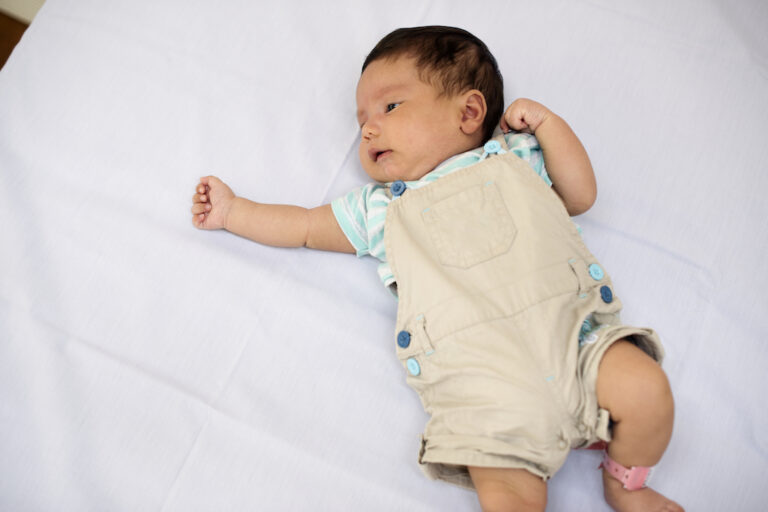
What To Do If Your Baby Only Turns Their Head To One Side
As a parent, observing your baby's development is a source of joy. But it can be concerning to notice that your little one always turns their head to one side, or that the back of their head seems a little flat. These are often signs of infant torticollis and positional plagiocephaly, two common and very treatable conditions.
The good news is that these issues can almost always be easily managed. By understanding what's happening and what you can do about it, you can help get your baby's head and neck development back on track.
-

What Is Torticollis And Plagiocephaly?
While the names sound complex, the concepts are simple:
Infant Torticollis (or 'wryneck'): This condition describes a baby's head tilt or turn to one side. It occurs when one of the main neck muscles, the sternocleidomastoid, is tight or shortened. This can happen because of the baby's position in the womb, during birth, or after delivery. It's typically a painless condition for infants.
Positional Plagiocephaly (or 'flat head syndrome'): This is a very common condition where a baby's soft skull becomes flattened in one area. It's caused by constant pressure on one spot from resting the head in the same position for too long.
Why Do They Happen Together?
Torticollis and plagiocephaly are often connected. A baby with torticollis, due to their tight neck muscle, will prefer to turn their head in only one direction. This constant pressure can lead to a flat spot developing on that side of the head.
Conversely, a baby who has already developed a flat spot may find it uncomfortable to turn their head the other way. This can cause the neck muscles to become stiff over time, perpetuating the cycle.
Your Action Plan: How To Help At Home
If you've noticed your baby favoring one side or developing a flat spot, don't panic. Early and consistent action is key to a swift recovery.
- Prioritize Tummy Time: Supervised tummy time is one of the most effective ways to strengthen your baby's neck and shoulder muscles. Aim for several short sessions throughout the day.
- Change It Up: Place your baby in different positions in their crib or on the changing table to encourage them to look in both directions.
- Get Their Attention: Use colorful toys, rattles, or your voice to engage your baby and encourage them to turn their head towards their non-preferred side during playtime.
- Adjust During Feedings: When feeding, hold your baby or offer the breast/bottle in a way that encourages them to turn their head away from their favored side.
- Reduce 'Container' Time: Limit the amount of time your baby spends lying down in car seats, swings, and bouncers where their head rests in the same position.
-

When To Seek Professional Help
While at-home adjustments are helpful, consulting with a specialist is the most effective approach. A paediatric physiotherapist can provide a thorough evaluation and guide you through a targeted exercise program.
Contact A Paediatric Physiotherapist If:
- You notice your baby favoring one side or have concerns about their head shape.
- The head tilt or flat spot persists or seems to worsen despite at-home efforts.
- Your baby seems uncomfortable or unable to turn their head in a certain direction.
- You feel a small lump in your baby's neck muscle.
In some rare cases of severe plagiocephaly, a custom helmet may be recommended by a paediatrician in consultation with a physiotherapist to help correct the head shape as it grows.






 Recommends