


-

Finding The Right Uni
Campus Or City Based?Some teens have a clear-cut idea of what they want to study at university while they're at sixth form based on their A-Levels or their interests in the IB. For others, it's less obvious. At this stage, research is key so explore available courses aligned with their strengths and interests and check out entry requirements.
If possible, arrange virtual tours or in-person tours in the school holidays to get a feel for the campus: some teens may crave the quiet of a campus-based university, while others will prefer the buzz of a city location.
Pic: Tetiana Shyshkina/Unsplash
-

Getting To Grips With UCAS
Check Out The Podcast!To apply to a UK university as an international student, you'll need to apply through UCAS, the centralized UK university application system. Some universities offer direct application options outside of UCAS.
First up, create a UCAS account, fill out the application form and submit required documents like proof of identity, academic transcripts, and English language proficiency. If your kids aren't British, you'll need to apply for a student visa; this includes those with a British National Overseas passport.
Want more? Check out the UCAS International Podcast, which features experts and current students, for discussions on leading questions like "how do I apply?", "what support is available", and "what's it really like in the UK"?
-

Completing The Application Form
Don't Forget To ProofreadWhile the personal statement forms part of the application, your teen will also need to fill out an application form. It's important to make sure personal details are correct, as is the info about education and qualifications, predicted grades, and work experience. In the case of referees, choose those who can provide insightful and relevant information about your child's academic and personal qualities.
Before you press 'send', proofread to check for any mistakes and ask teachers, mentors, or friends to review your application before submitting. There's more info on Filling in Your UCAS Undergraduate Application here.
-

Writing A Personal Statement
Sum Up Their StrengthsAn undergraduate personal statement is a chance for your teen to get noticed for their talents beyond academia, whether that's relevant work experience, being involved in a sports team or if they've taken part in schemes such as the The Hong Kong Award for Young People (formerly the Duke of Edinburgh Award).
You can encourage them to address questions like why they have chosen the course, their long-term career ambitions, and what has attracted them to the course. Remember it can only be 4,000 characters, which is about two sides of A4. A word of warning: don't be tempted to copy or share your personal statement, as any similarity greater than 30% will be flagged and UCAS will inform the universities and colleges to which you have applied. Check out UCAS's full list of Do's and Don'ts here.
-

Applying For A Student Visa
Visit The Application CentreIf you're applying for a student visa for outside the UK, your teen will need to prove their identity with a passport and also have the Confirmation of Acceptance for Studies (CAS) letter from their course provider.
Use the UK Immigration: ID Check app to scan your identity document. You’ll also need to create or sign into your UK Visas and Immigration (UKVI) account, or have your fingerprints and photo taken at a visa application centre (the one in Hong Kong is in North Point).
So, how long does it take? You'll usually get a decision within three weeks, and if time is short, you may be able to pay to get a faster decision.
-

Getting Your Finances In Place
Covering Tuition FeesThe average cost to study in the UK is lower than in other English-speaking countries like US and Australia (Canada is slightly more affordable). To meet the financial requirements for a UK Student visa, you need to demonstrate you have enough money to cover your child's tuition fees for the first year of their course and living costs for a specified period, typically up to nine months. The specific amount for living costs varies depending on whether you'll be studying in London or elsewhere in the UK.
Tuition fees for international students in the UK vary widely, ranging from £11,400 to £67,892 annually for undergraduate degrees and £6,500 to £63,000 for postgraduate courses. These fees are determined by the university, the specific course, and the level of study. There's more info on the Cost of Studying and Living in the UK here at the British Council's website.
-

Applying For Scholarships
Could Your Child Be Eligible?Scholarships require a strong academic record but will also consider your teen's extracurricular activities and leadership skills. Eligibility is also determined by nationality, residency status, academic performance, and household income. To apply for a scholarship for a UK university as an international student, research available scholarships (there's a link here at the British Council website where you can search by institution).
Universities typically have dedicated pages on their websites outlining scholarships, and student welfare offices can provide further guidance.
-

Confirming Your Child's Place
Deposits At The ReadyTo confirm an offer as an overseas student, you typically need to accept the offer through the university's application portal, pay any required deposit, and then apply for a student visa. You'll also need to provide the university with a Confirmation of Acceptance for Studies (CAS) number, which is needed for your visa application.
If you applied through UCAS, you can track your application status and accept the offer online. If you applied directly to the university, you'll likely have an online portal where you can view and accept the offer. Make sure to accept the offer before the deadline specified by the university.
Once your visa is approved, you can start making arrangements for your teen's travel and accommodation!
-

Going Through Clearing
Apply Until OctoberIf your child didn't get the expected grades or doesn't want to do the course they've chosen anymore, then don't panic – many students find university places through clearing, a process through UCAS that helps universities fill any remaining spots on their courses.
Your teen can use Clearing if they've applied through UCAS and don't have a confirmed place, have declined their firm or insurance offers, or have applied after the initial deadline of June 30. You can apply for a course using Clearing from July 5 to October 20, 2025.
When you call universities, your child will need their UCAS ID, Clearing number, grades, and personal statement. If they receive an offer, your teen can accept it through their UCAS account. Want more? Check out the Clearing Toolkit for Parents by UCAS.
-

How To Withdraw Or Change The Application
Keep Institutions InformedMaybe your teen wants to study closer to home, take a gap year, has changed their mind about going to university, or is keen to change course. If they want to withdraw from a university place in the UK, they need to officially decline their offer through UCAS and contact the university directly to inform them. If they've already accepted an offer, they'll need to contact both the university and UCAS to withdraw their application.
If they want to remain at the same university but swap their course, they should speak to the chosen university or college first. There's more information on Changing and Leaving Your Course here.
-
Applying For Boarding Schools From Overseas
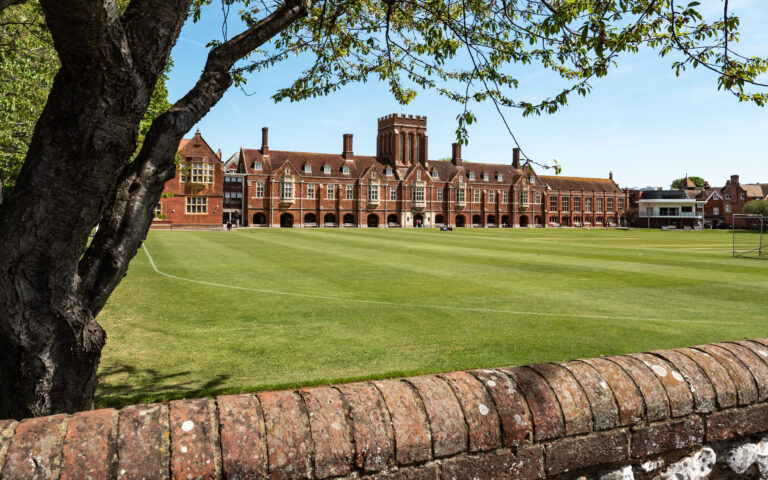
More Than 500 Schools To Choose From!In addition to being home to some of the world's most prestigious universities, the UK is also home to many of the best boarding schools, including Eton College, Westminster School and Shrewsbury School. With more than 500 boarding schools available, there are plenty to choose from, so research the best schools for your child, understand their admissions process, and prepare necessary application documents, including entrance exams and visa applications.
You'll also need to secure a Confirmation of Acceptance for Studies (CAS) from the school and arrange for guardianship if the student is under 18. For more information on applying, check out this article on The Application Process by UK Boarding Schools.




 Recommends